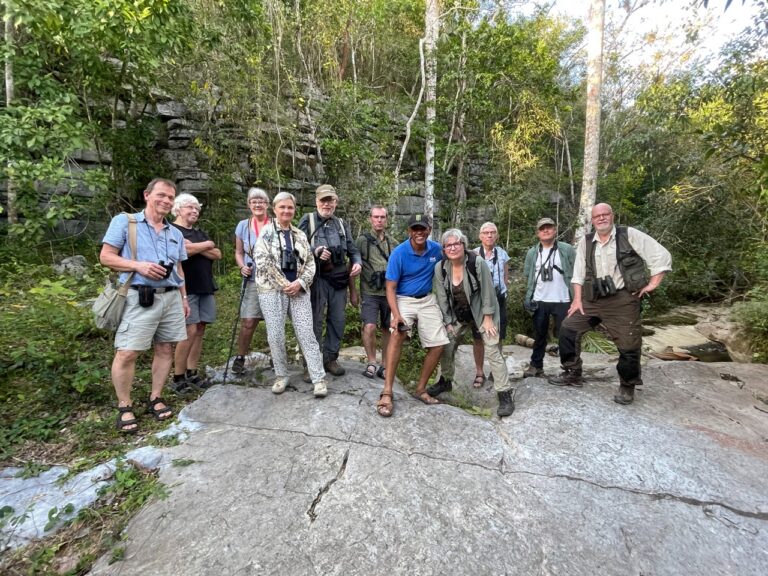
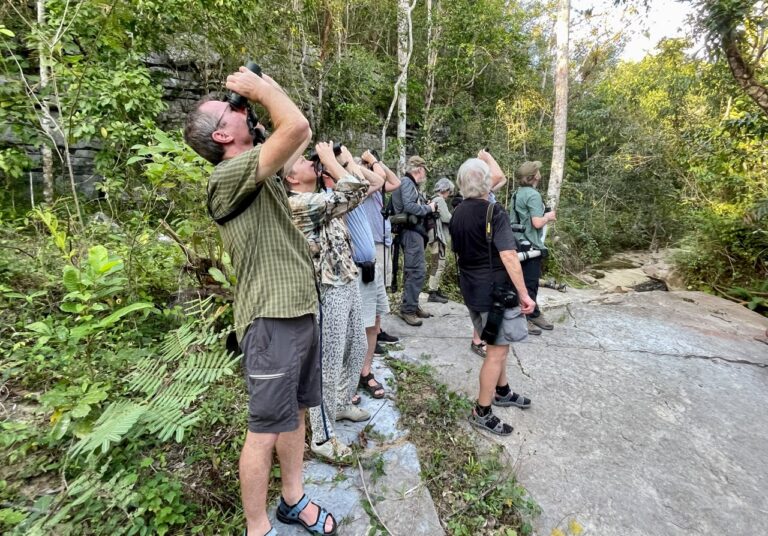
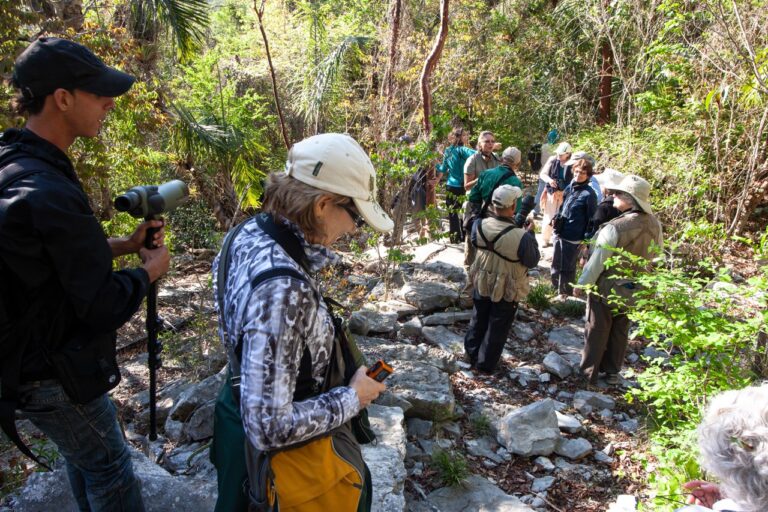



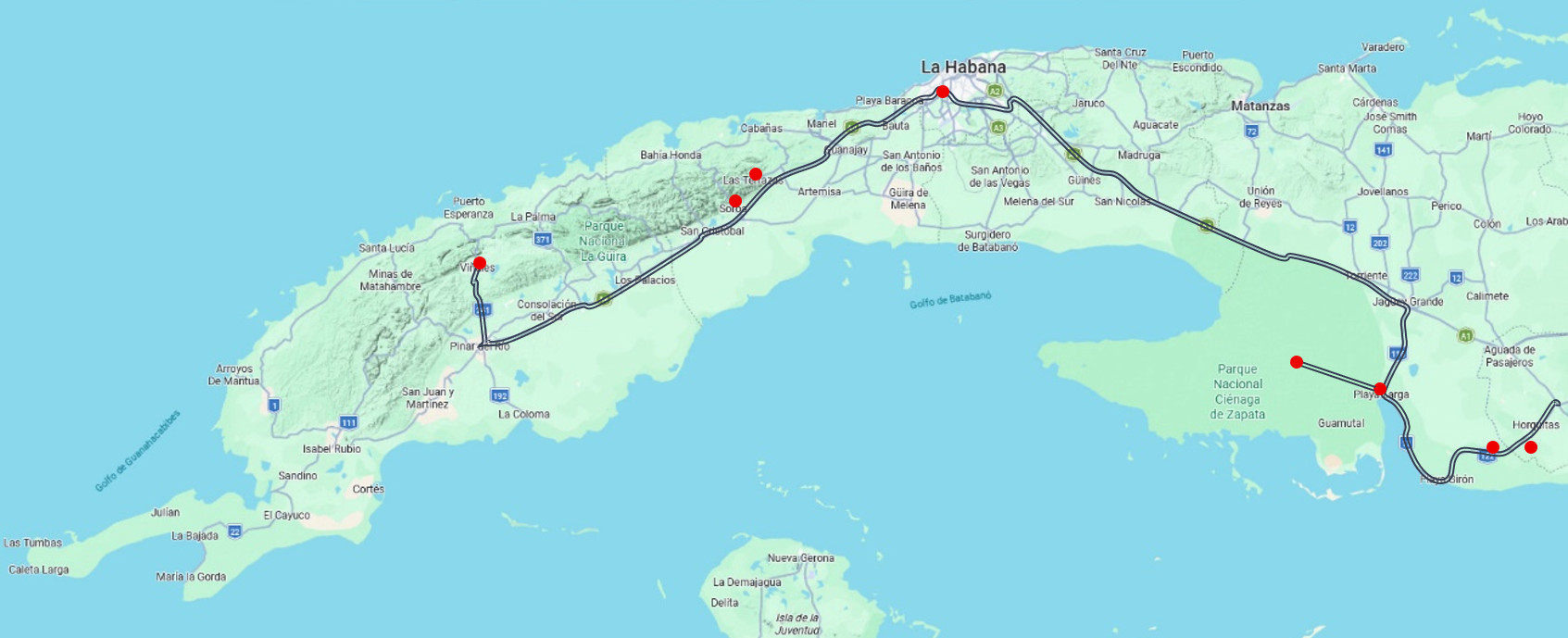
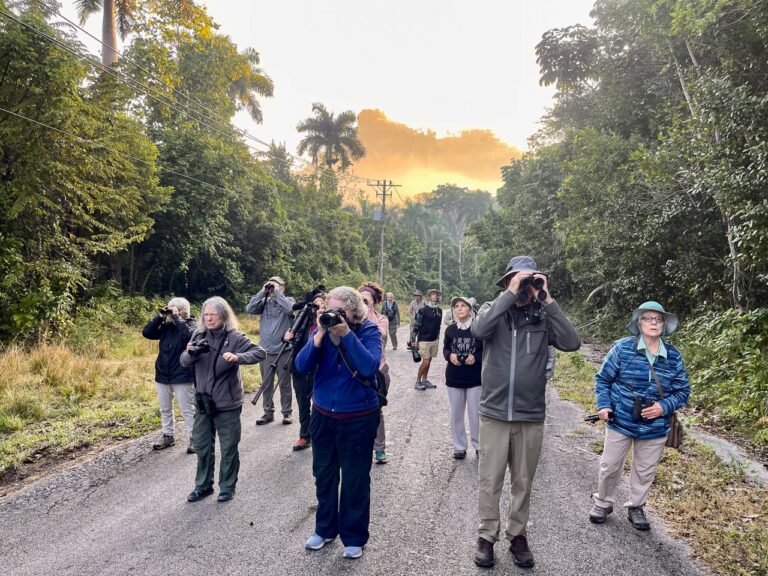
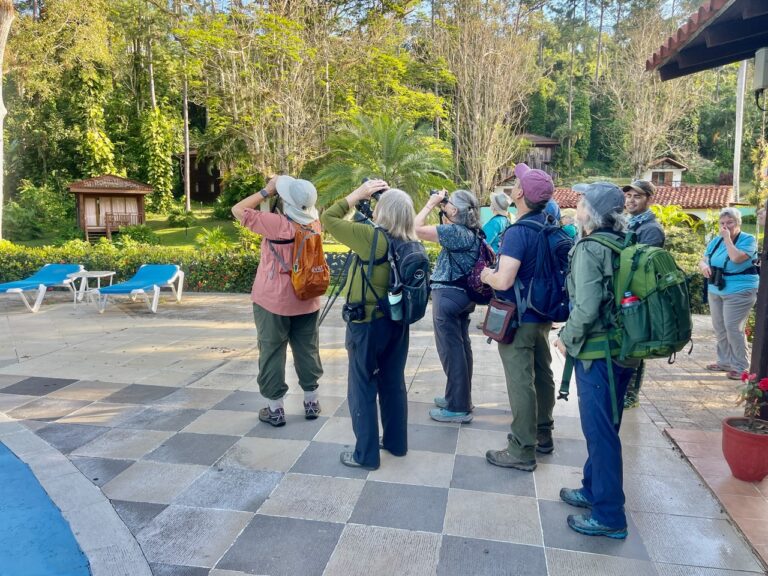
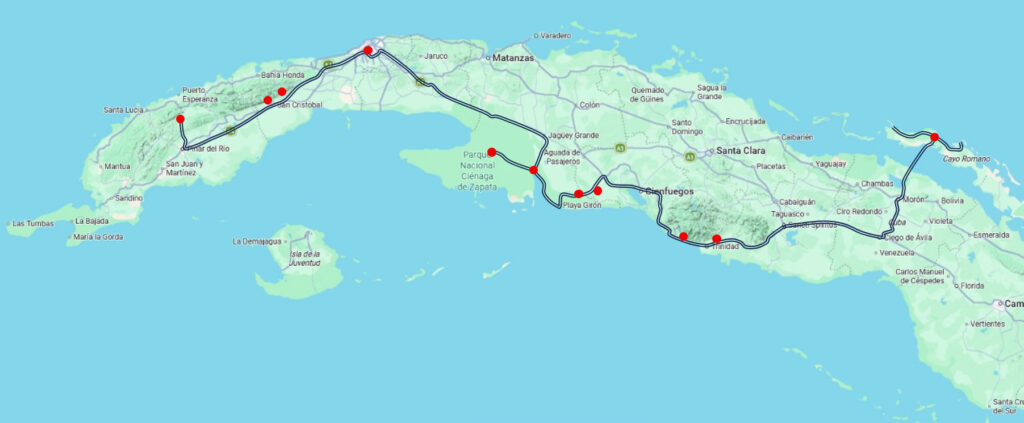
 Arrival in Havana and transfer to Viñales, visiting the Soroa Orchid Garden and surrounding areas along the route, an excellent starting point for the endemic species list including Cuban Trogon, Cuban Tody, Cuban Green Woodpecker, Scaly-naped Pigeon, White-crowned Pigeon, Western Spindalis, West Indian Woodpecker, Cuban Oriole, Tawny-shouldered Blackbird, Cuban Pewee, Yellow-headed Warbler, Western Red-legged Thrush (Rusty belly), Cuban Vireo, La Sagra’s Flycatcher, Loggerhead Kingbird, Giant Kingbird, among other migratory species. Lunch at a local restaurant.
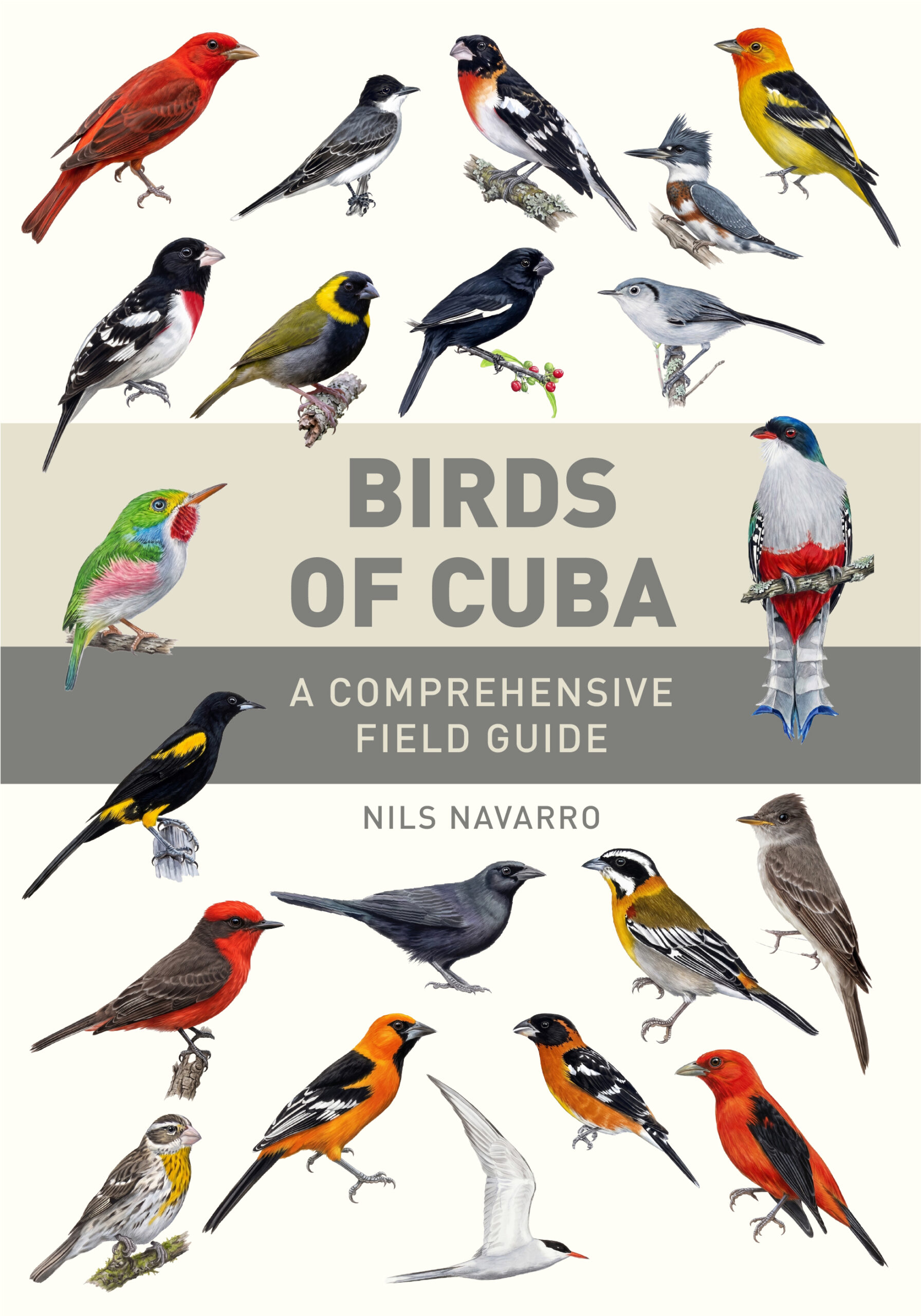
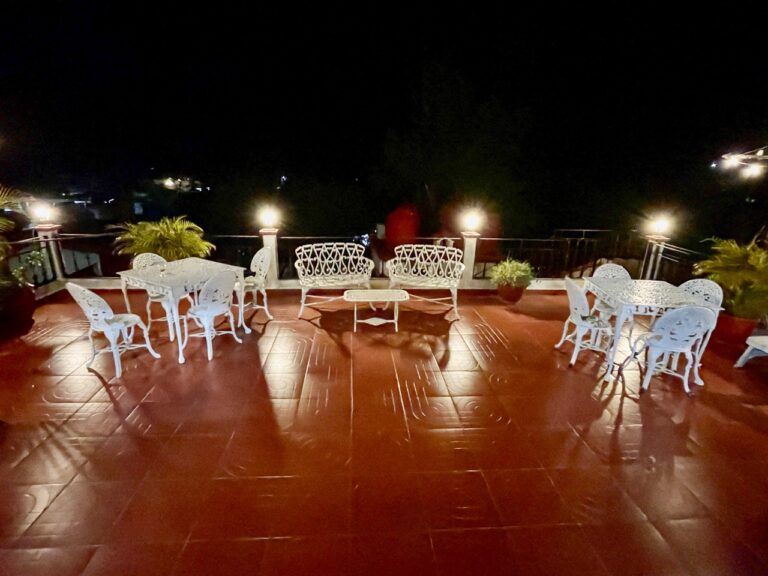
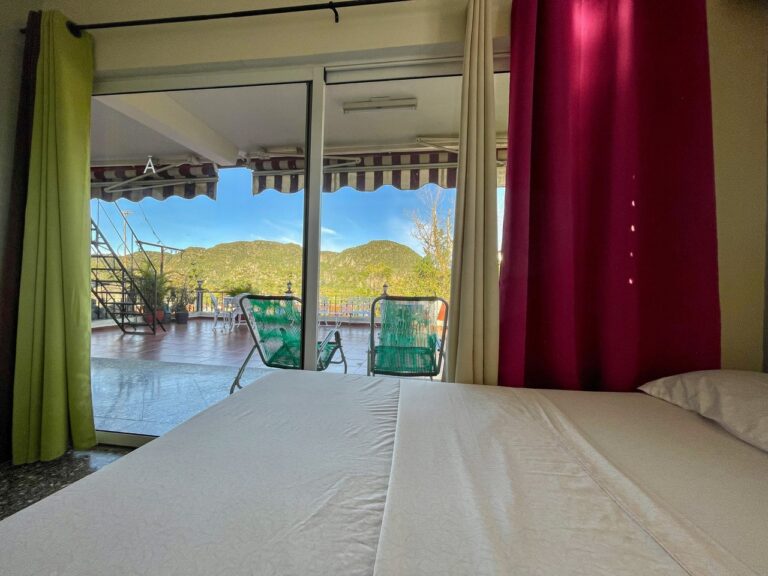
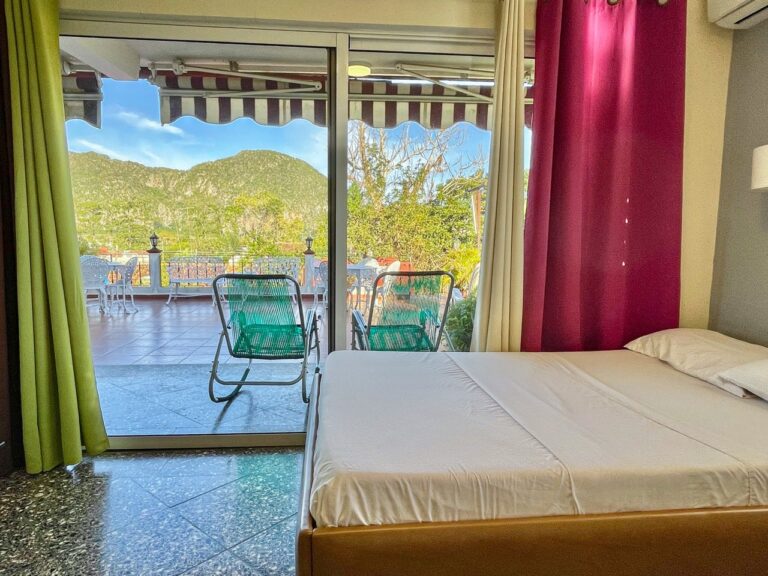
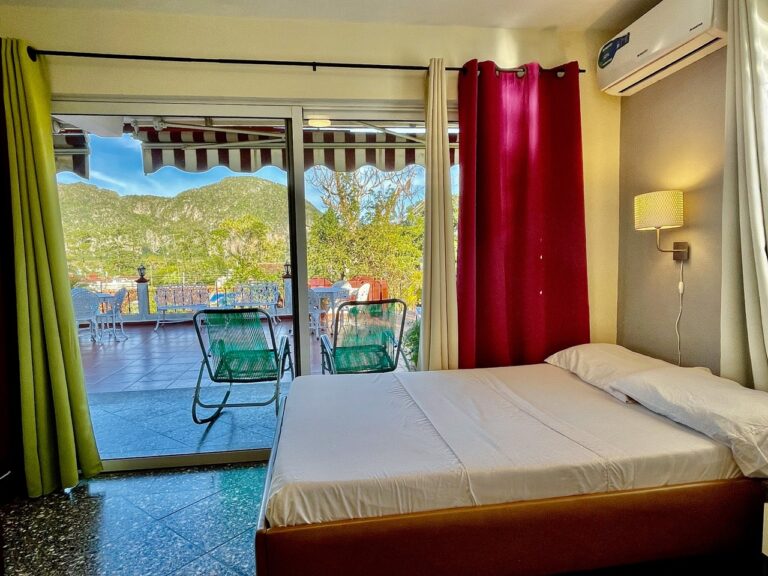
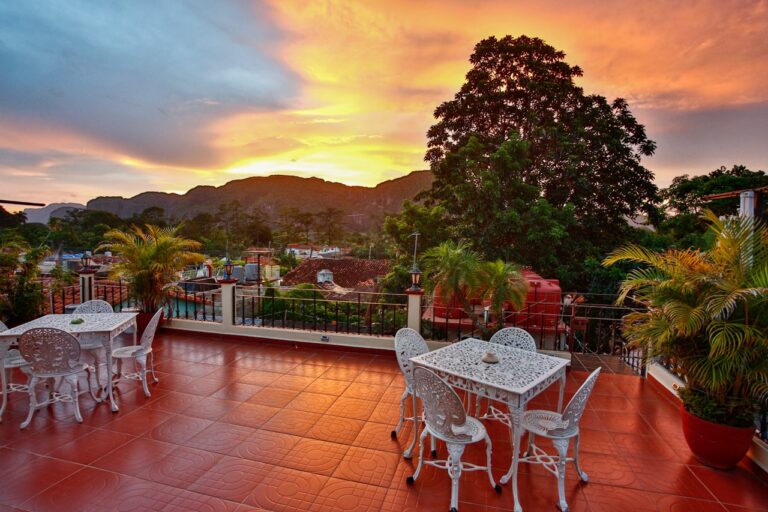
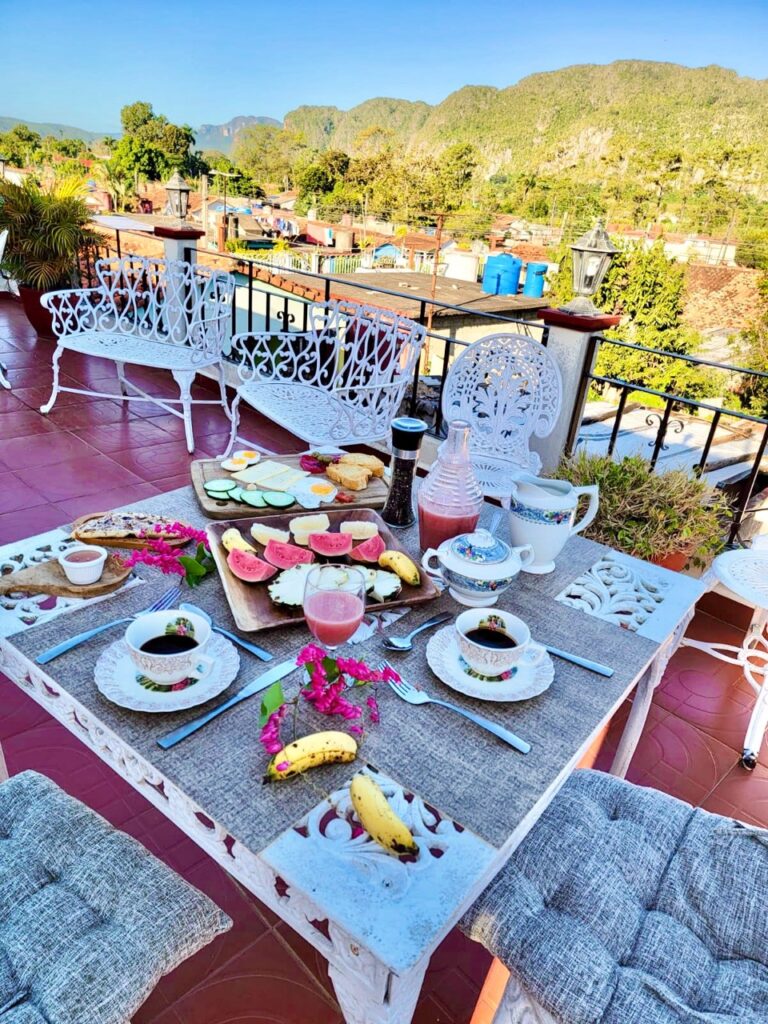
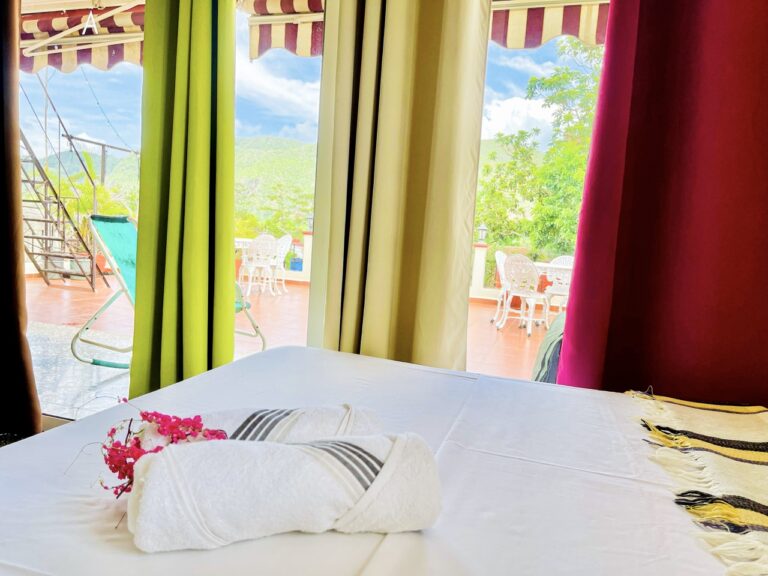
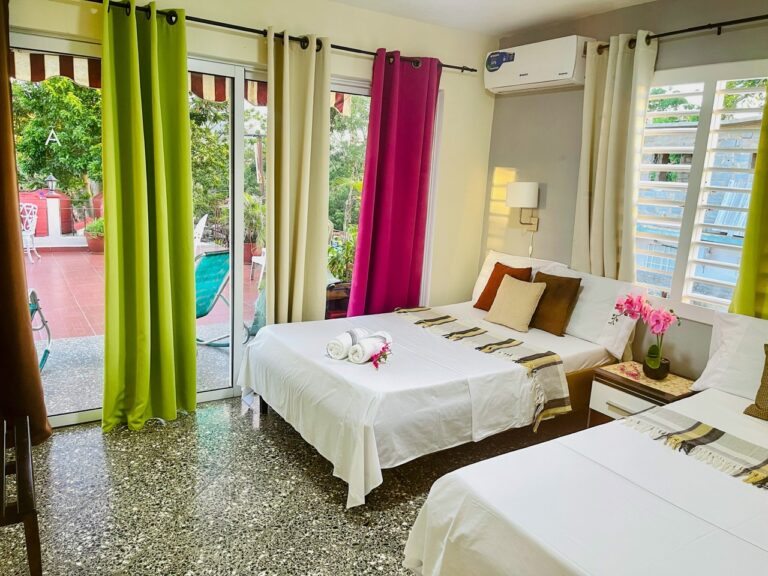
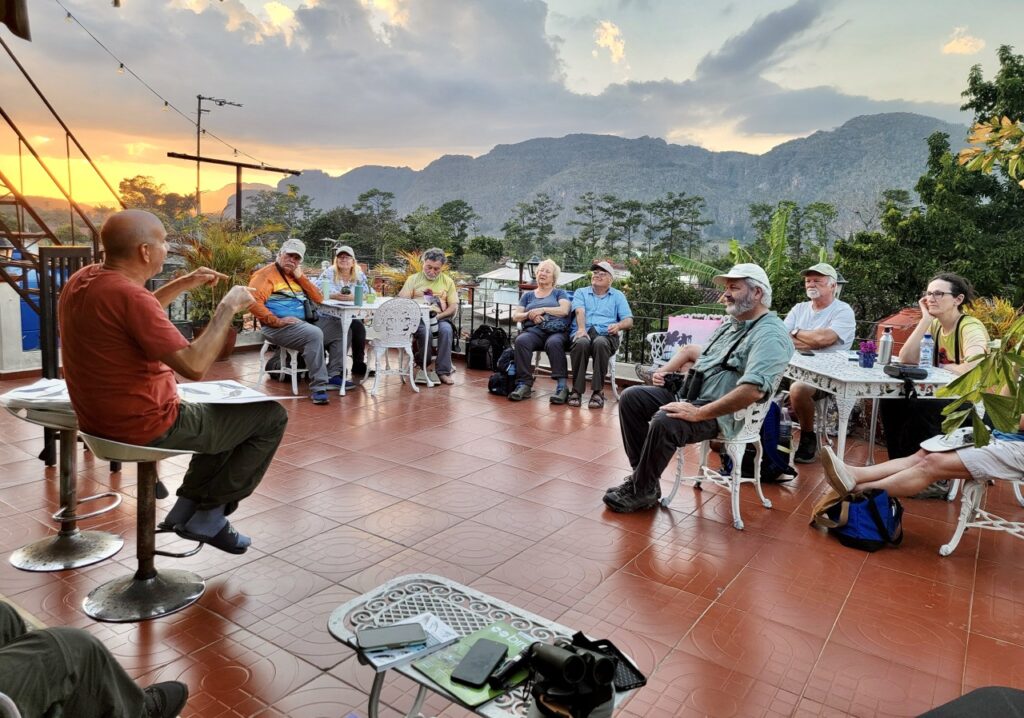
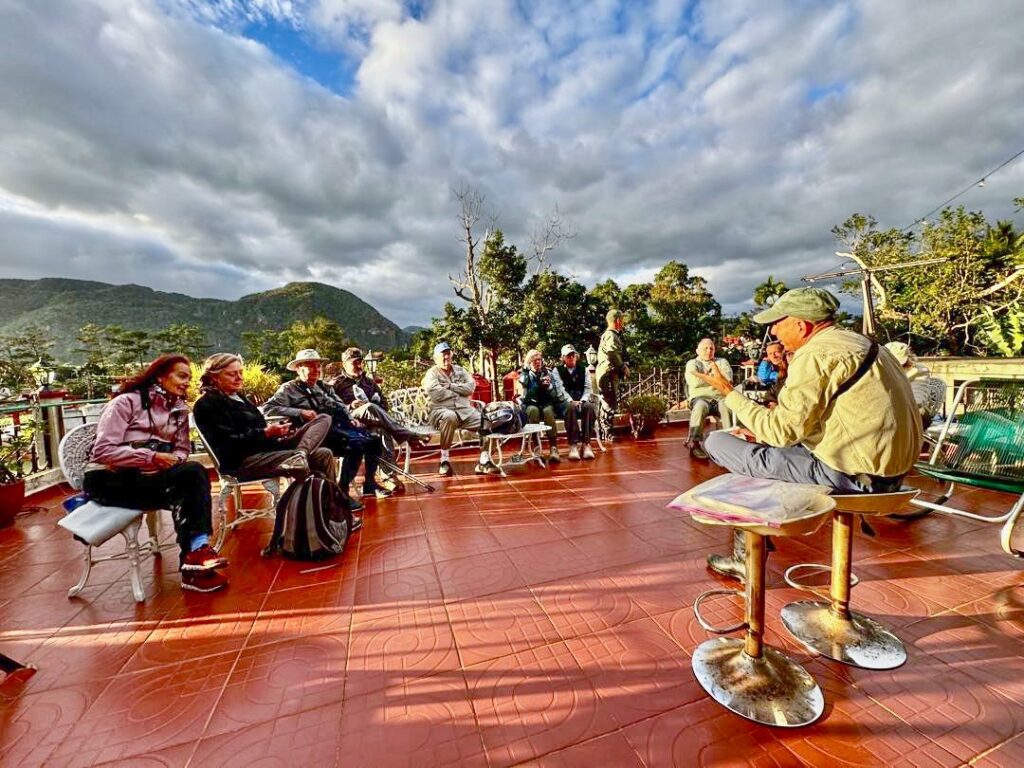
Transfer to Viñales, approx. 1.5 hrs (2 nights). Visit to Nils’ home-studio, where he will present his original illustrations of Cuban birds and share exclusive details about his projects and his upcoming book Birds of Cuba, A Comprehensive Field Guide. Dinner on the terrace at sunset, in an intimate and specialized atmosphere, preparation of the “checklist”. Accommodation at B&B.
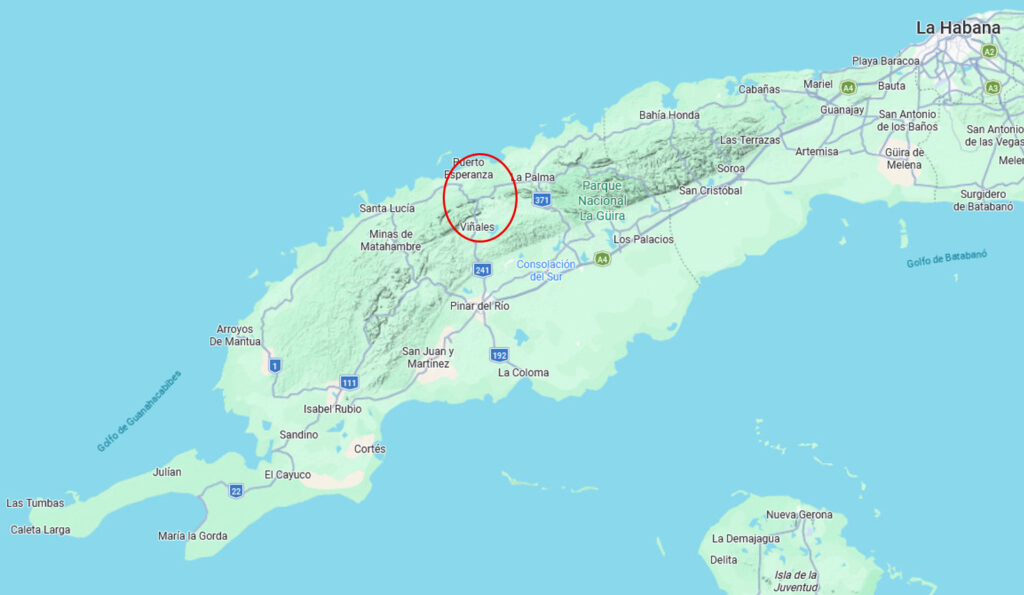
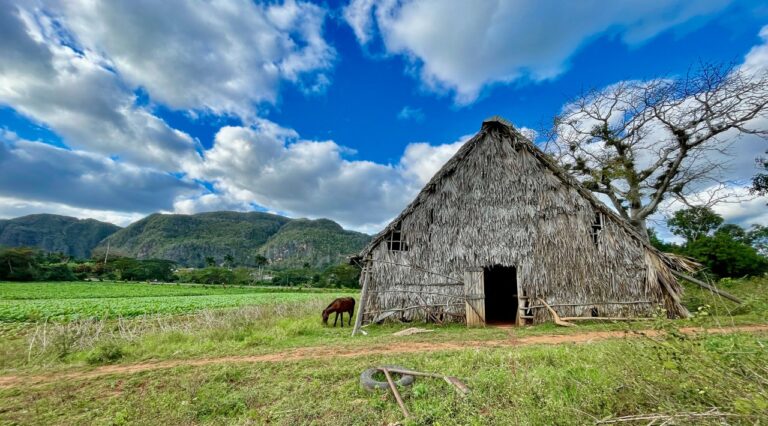
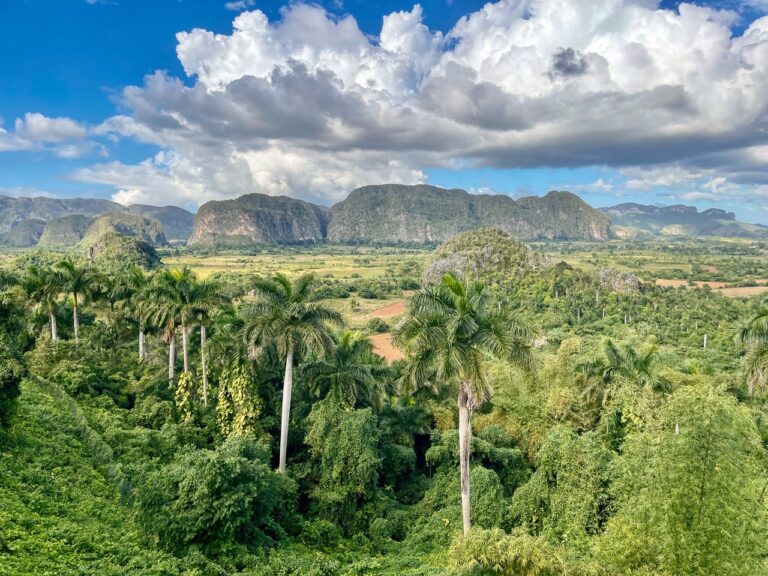
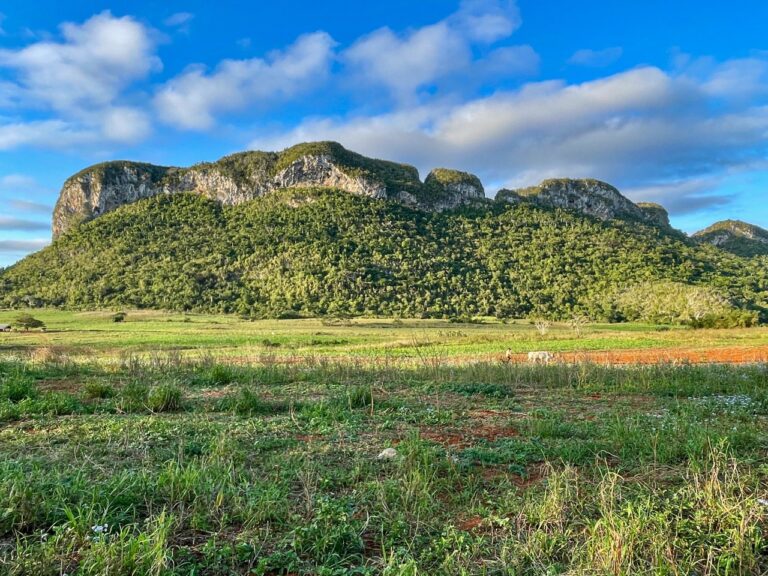
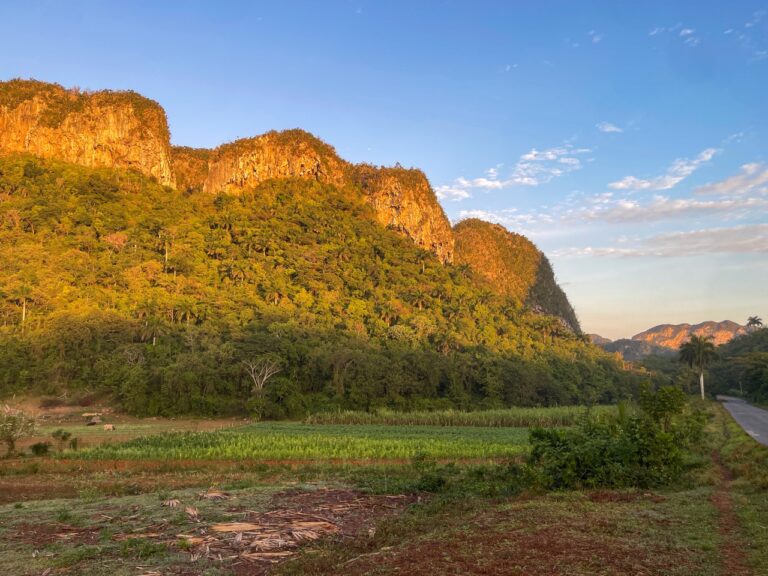
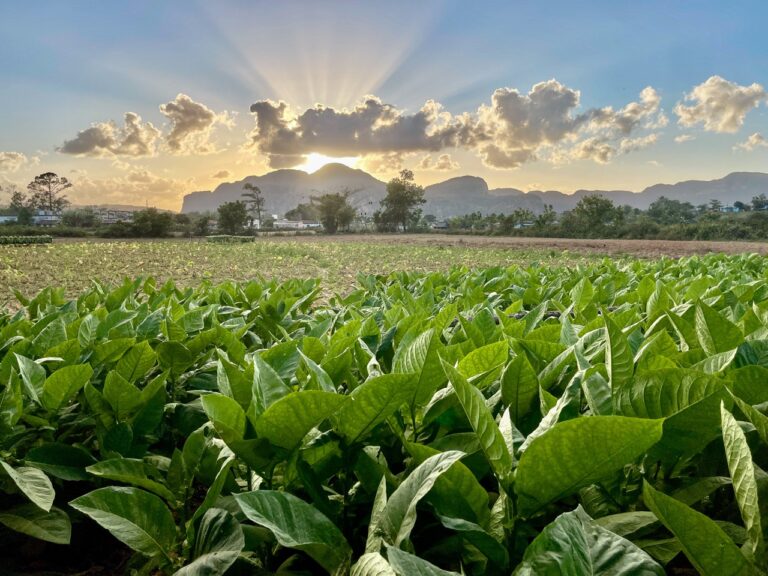
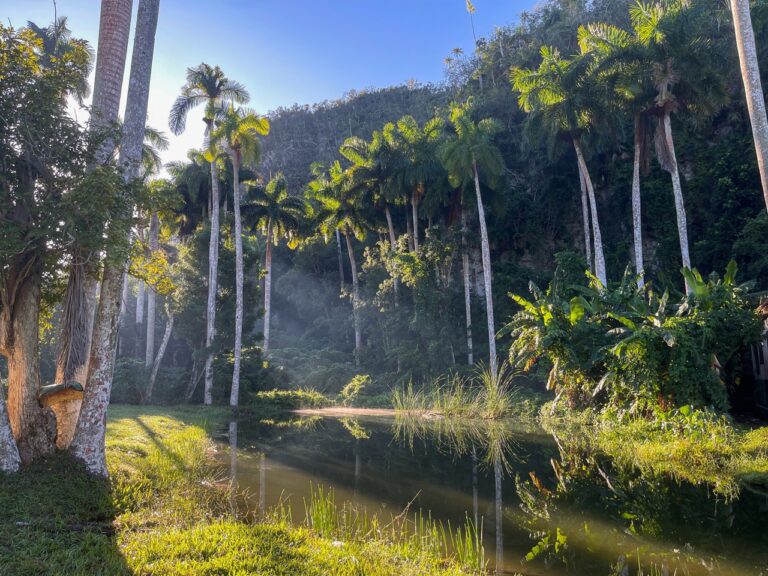
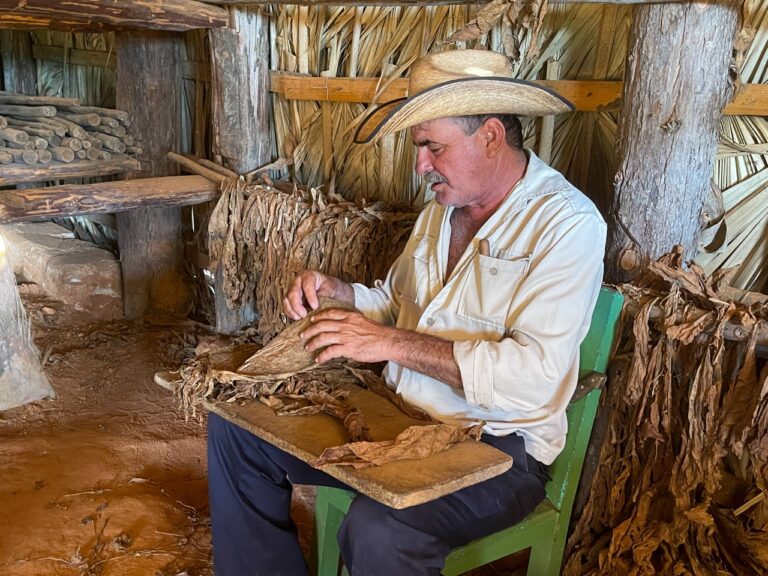
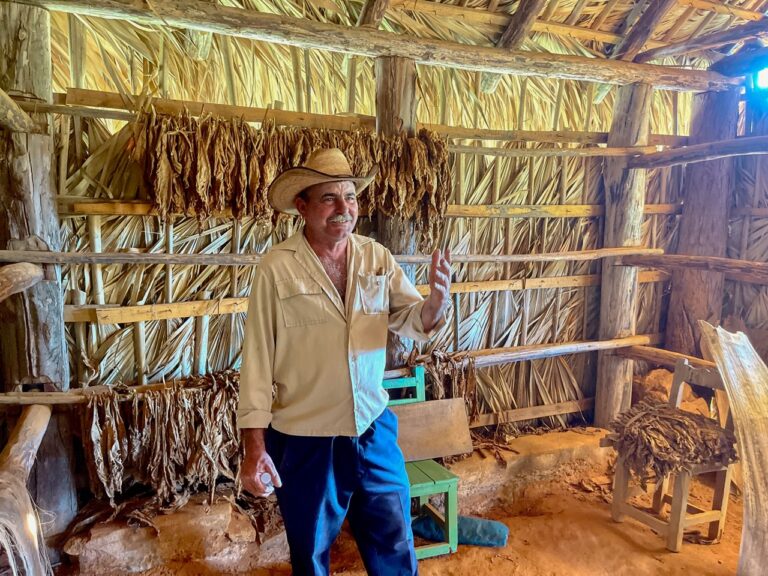
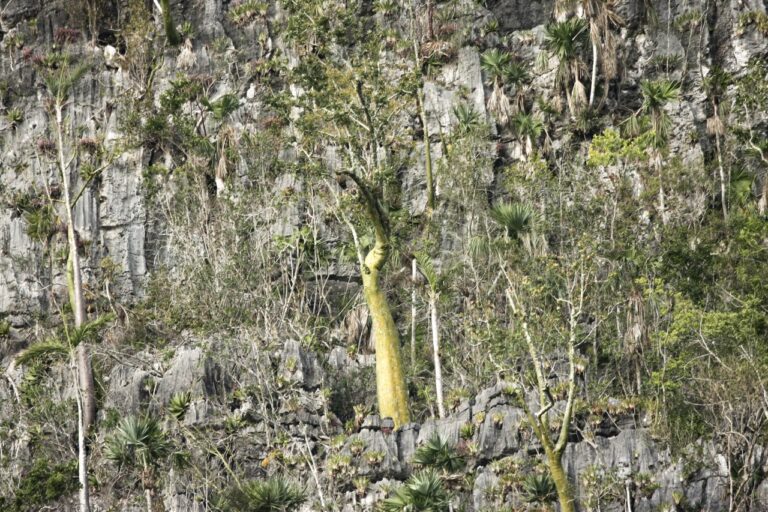
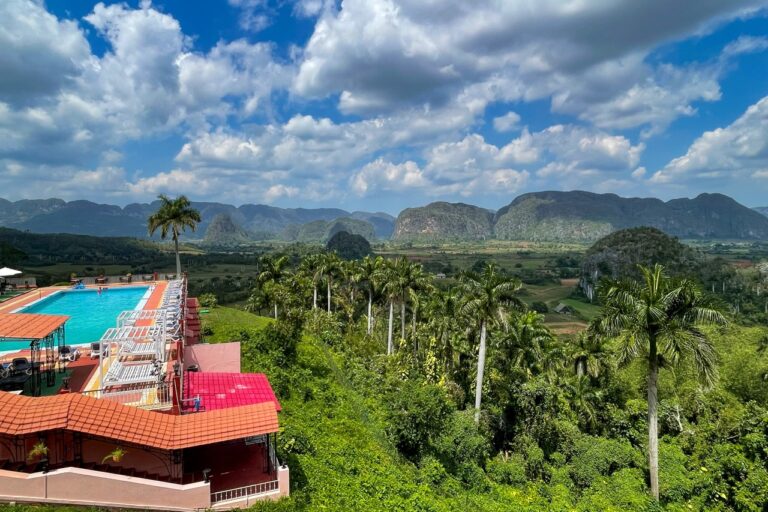
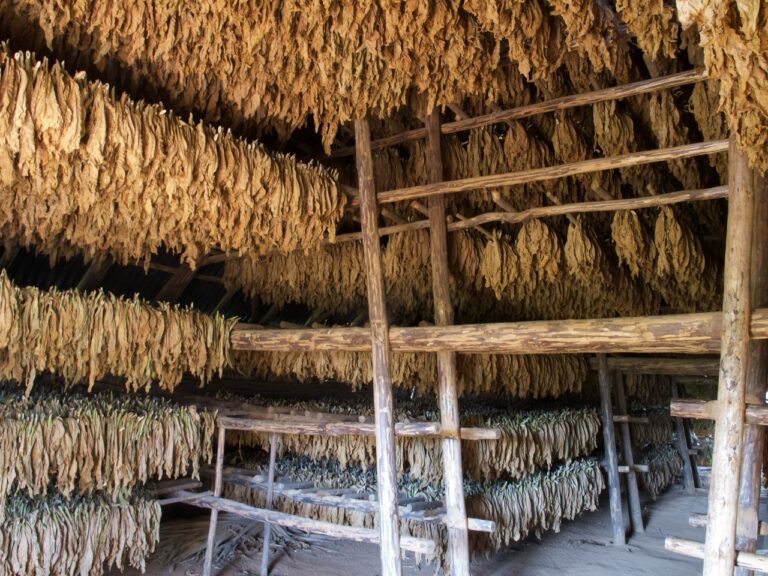
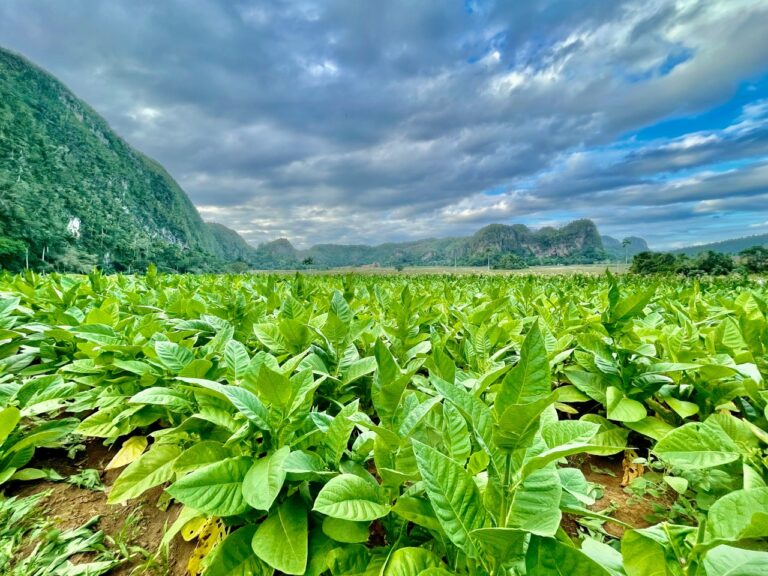
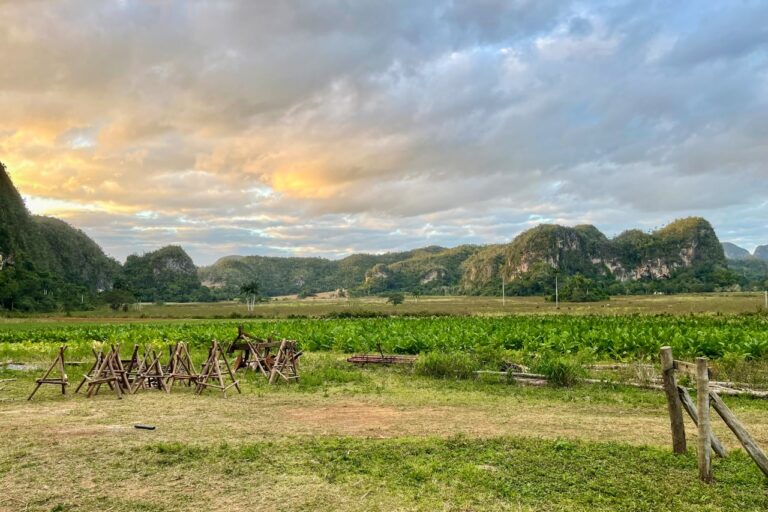
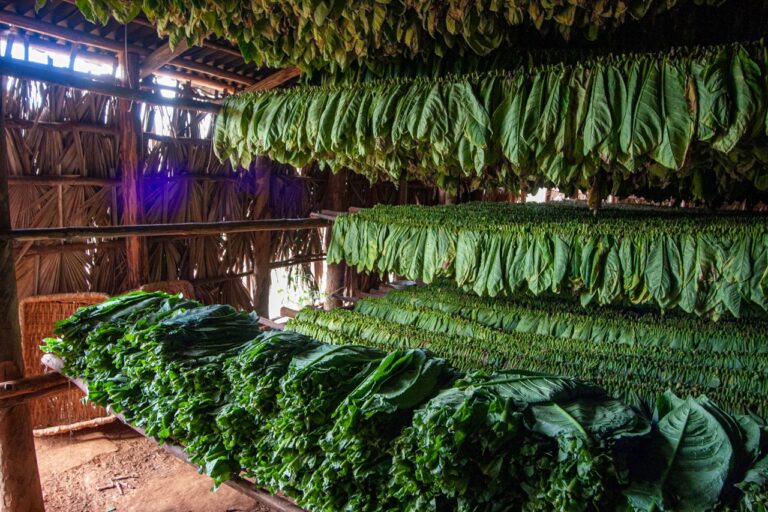
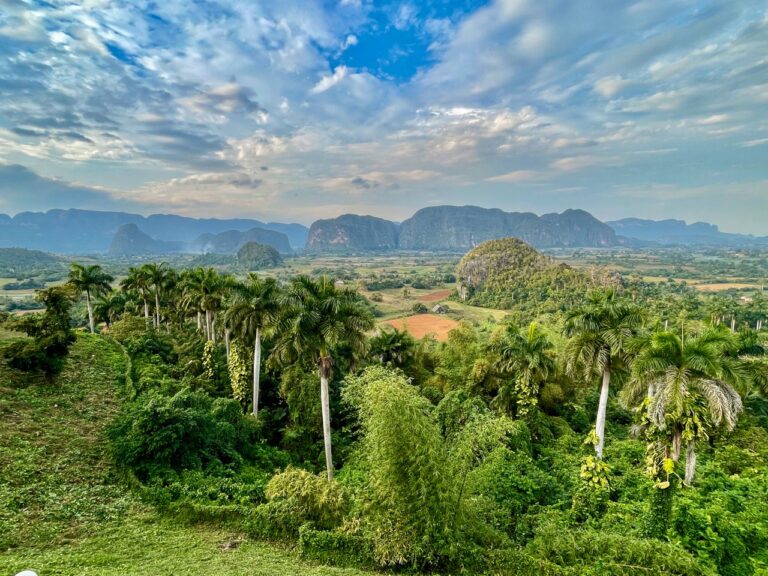
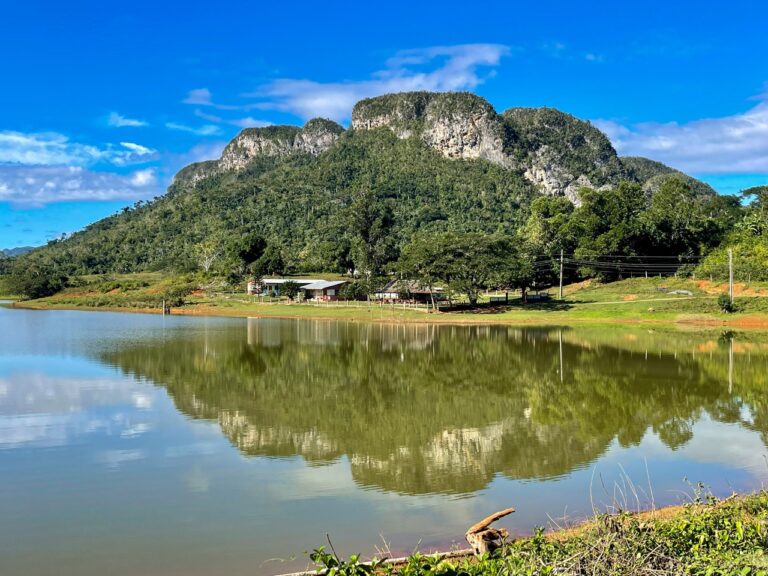
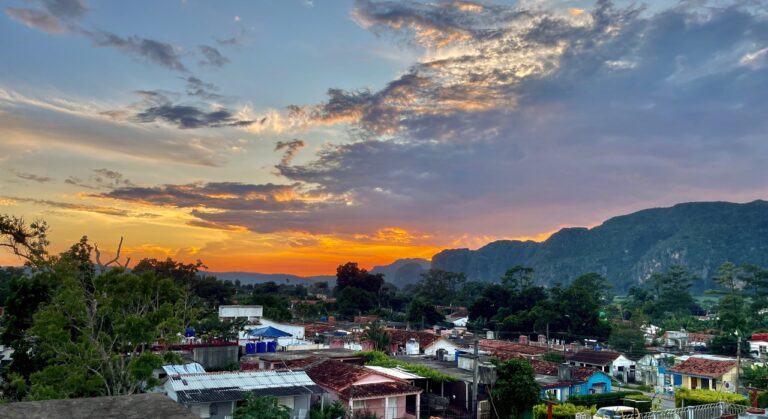
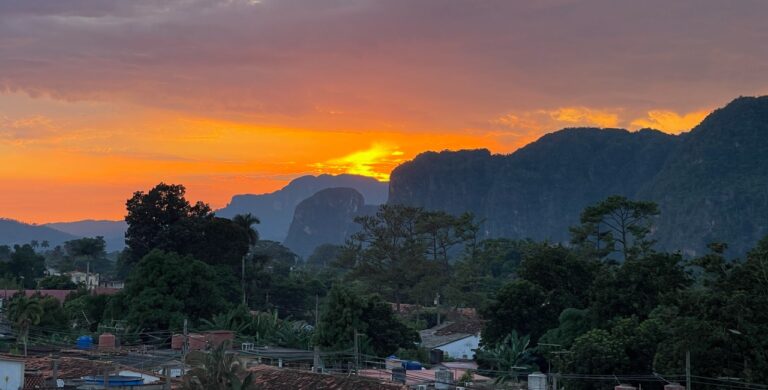
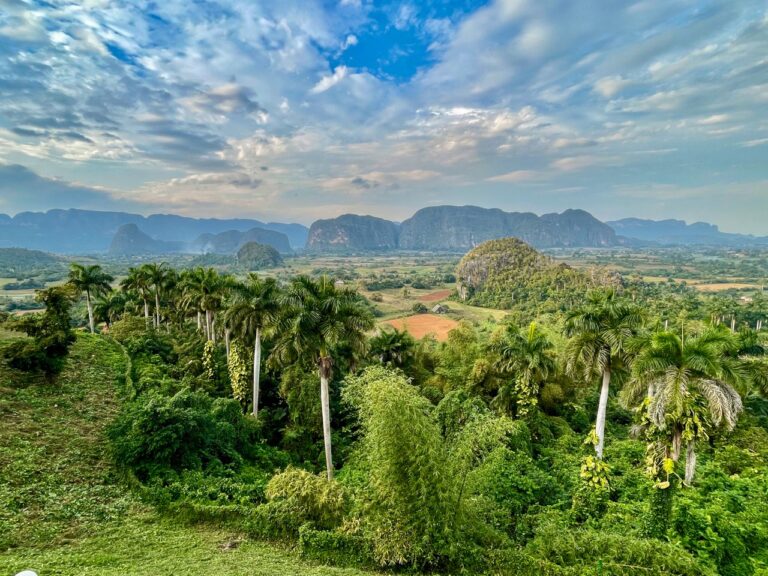
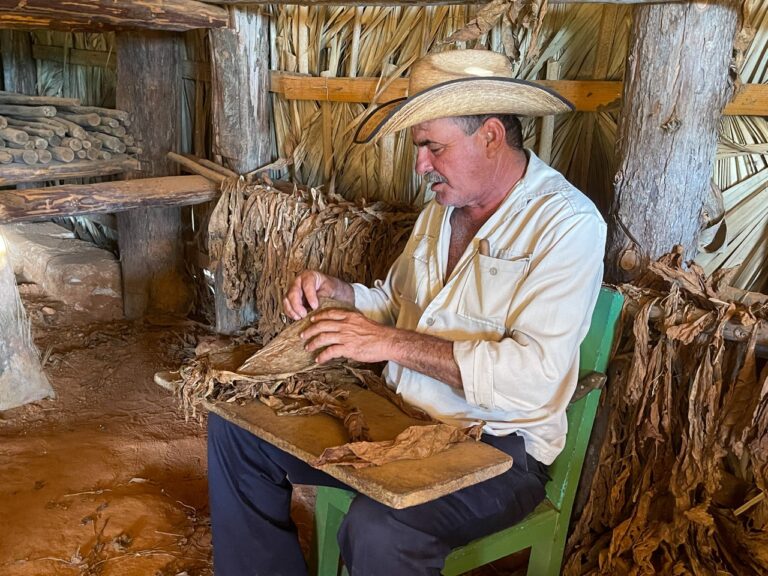
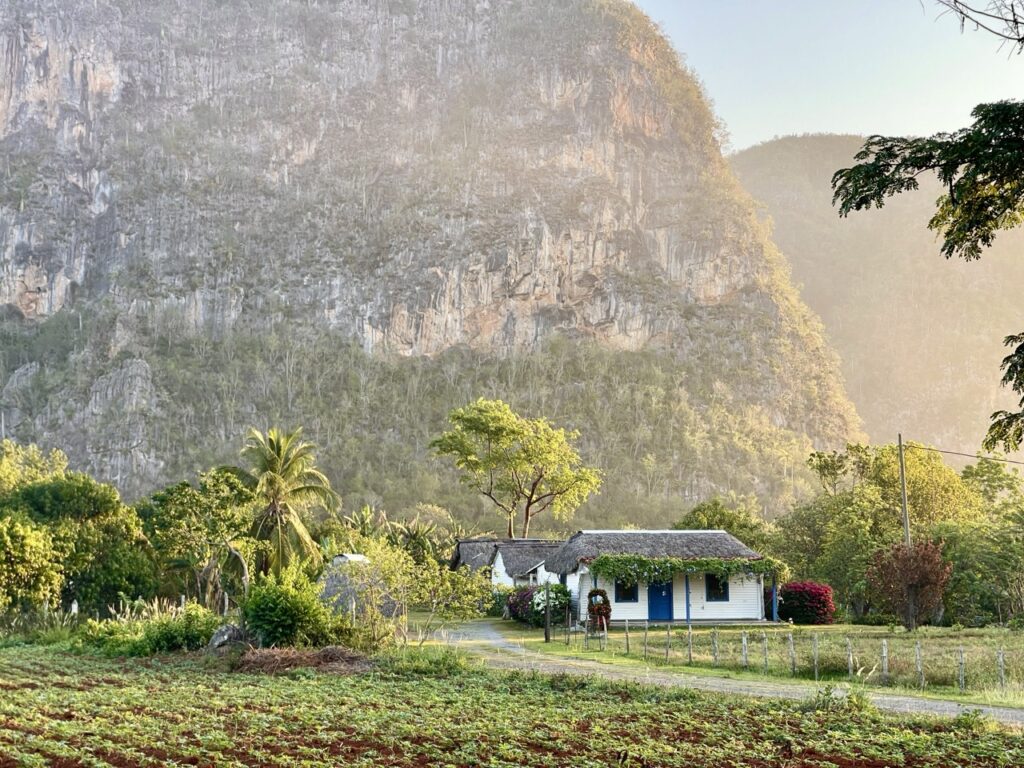
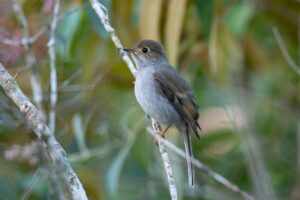 The Viñales National Park and Viñales Valley, declared a UNESCO World Heritage Site (1999), represent one of the most spectacular landscapes in Cuba, surrounded by limestone mogotes and renowned for its tobacco-growing tradition.
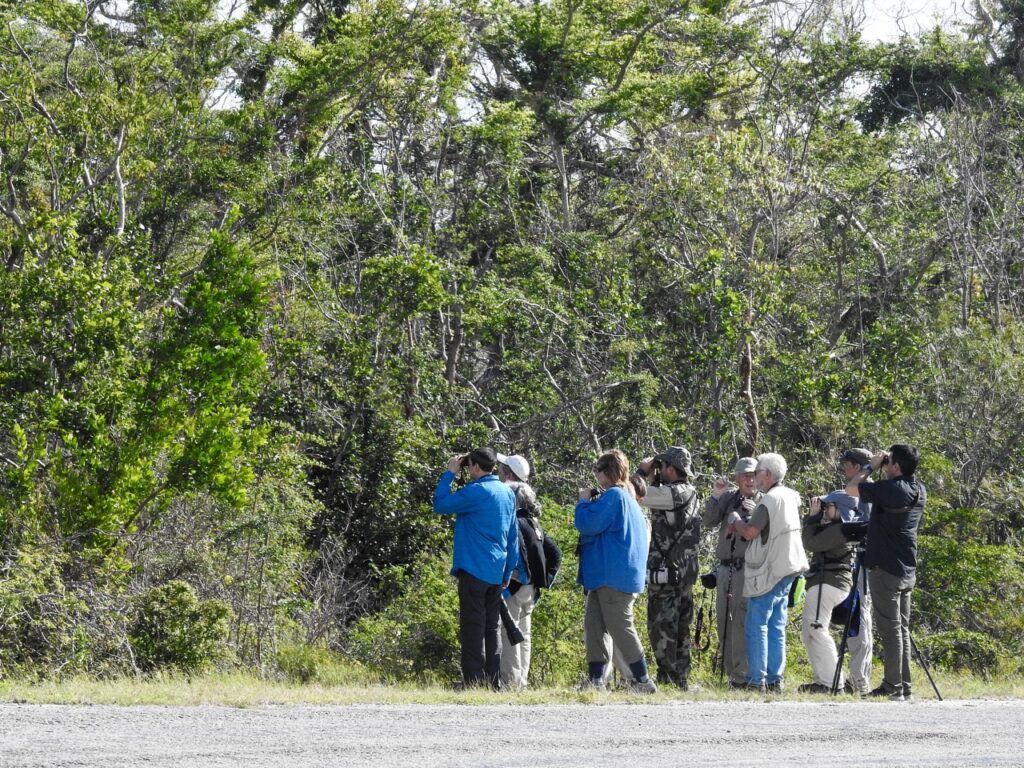
Morning birding around the San Vicente Farm area to locate Scaly-naped Pigeon (Patagioenas squamosa), Cuban Solitaire (Myadestes elisabeth), Olive-capped Warbler (Setophaga pityophila), Cuban Vireo (Vireo gundlachii), Yellow-headed Warbler (Teretistris fernandinae), Red-legged Honeycrepper (Cyanerpes cyaneus).
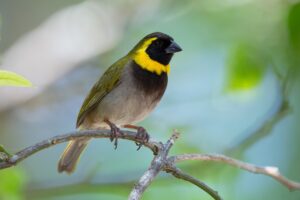
Exploration of trails within Viñales National Park in search of: Cuban Trogon (,Priotelus temnurus), Cuban Tody(Todus multicolor), Cuban Green Woodpecker (Xiphidiopicus percussus), Cuban Grassquit (Phonipara canora), Scaly-naped Pigeon (Patagioenas squamosa), Antillean Palm Swift (Tachornis phoneicobia iradii), Western Spindalis (Spindalis zena pretrei), West Indian Woodpecker (Melanerpes superciliaris), Cuban Pygmy Owl (Glaucidium siju), Cuban Oriole (Icterus melanopsis), Tawny-shouldered Blackbird (Agelaius humeralis), Cuban Pewee (Contopus caribaeus), Yellow-headed Warbler (Teretistris fernandinae), , Cuban Bullfinch (Melopyrrha nigra), Cuban Vireo (Vireo gundlachii), Great Lizard Cuckoo (Coccyzus merlini), Eastern (Cuban) Meadowlark (Sturnella magna hippocrepis), in addition to Nearctic migrants (warblers, tanagers, emberizids).
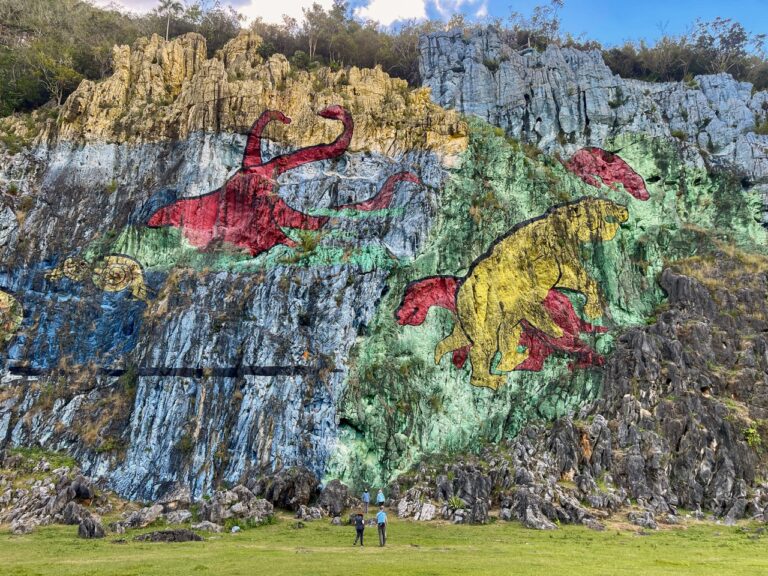
In the afternoon, birding in the Mural de la Prehistoria area. Checklist review and dinner at an ecological restaurant with one of the best sunset views in the valley. Accommodation at B&B.
 Early departure toward Playa Larga, Zapata Swamp (5+ hours), with strategic stops at wetlands along the highway to observe: King Rail / Cuban(Rallus elegans), Northern Jacana (Jacana spinosa), Snail Kite (Rosthramus sociabilis), as well as different species of ducks, gulls, and shorebirds.
Visit to the Las Terrazas Biosphere Reserve, where excellent views of different Cuban endemics and migratory species of warblers and vireos can be obtained, with a special opportunity to search for “targets” such as Cuban Grassquit Cuban Grassquit(Phonipara canora) and the Stygian Owl (Asio stygius). Picnic lunch at the family eco-farm “El Rocío”, with opportunities for birding in the surrounding areas and searching for Fernandina´s Flicker (Colaptes fernandinae) and other Cuban and Caribbean endemics. The visit also includes an introduction to a Cuban stingless bee farm, the Cuban Stingless Bee (Melipona becheei) and tasting its honey with remarkable healing properties.
Arrival in Playa Larga, Bahía de Cochinos. The Ciénaga de Zapata is the largest wetland in the insular Caribbean, a Biosphere Reserve and Ramsar Site, with over 254 recorded species and the richest birding area in the entire archipelago due to its habitat diversity and high concentration of endemics.
Accommodation at B&B (3 nights). Checklist and dinner.
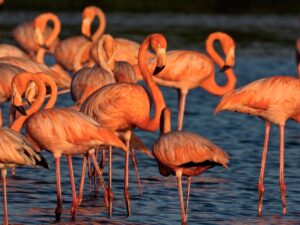 Exploration of marshes, mangroves, and open wetlands, where it is possible to observe: Cuban Blackhawk (Buteogallus gundlachii), American Flamingo (Phoenicopterus ruber), Roseate Spoombill (Platalea ajaja) , White Ibis (Eudocimus albus), Reddish Egret (Egretta rufescens), American Woodstork (Mycteria americana), Osprey (Pandion haliaetus ridgwayi), Clapper Rail (Rallus crepitans), Skimmer (Rynchops niger), Mangrove Yellow Warbler (Setophaga petechia gundlachii), , and the charismatic white morph of the Great Blue Heron (Ardea herodias occidentalis) among many other species of gulls, shorebirds, herons, and ducks.
Seafood lunch at the classic and picturesque restaurant “El Ticki”, located in front of the bay in Playa Larga with beautiful views.
In the afternoon, visit to the Casa Ana backyard, where we will be welcomed by our host Adrian, and it will be possible to observe up close the world’s smallest bird, the Bee Hummingbird (Mellisuga helenae), Cuban Emerald (Ricordia ricordii), Tawny-shouldered Blackbird (Agelaius humeralis), , Cuban Crow (Corvus nasicus), Cuban Pygmy Owl (Glaucidium siju), and numerous migratory warblers, including Cape May Warbler (Setophaga tigrina) Black-throated Blue Warbler (Setophaga caerulescens). Then we will visit the “Jardín de Rocío”, located in the rural settlement Los Hondones, a true bird paradise where tranquility prevails, in direct contact with nature and the hospitality of hosts Julio “El Chino” and his wife Yona. Here it is possible to enjoy close encounters with: Blue-headed Quail Dove (Starnoeans cyanocephala), Zenaida Dove (Zenaida aurita zenaida), Cuban Blackbird (Ptiloxena atroviolacea), Tawny-shouldered Blackbird (Agelaius humeralis), Shiny Cowbird (Molothrus bonariensis), Bee Hummingbird (Mellisuga helenae) among other Cuban, regional, and migratory species. Checklist and dinner. Accommodation at B&B.
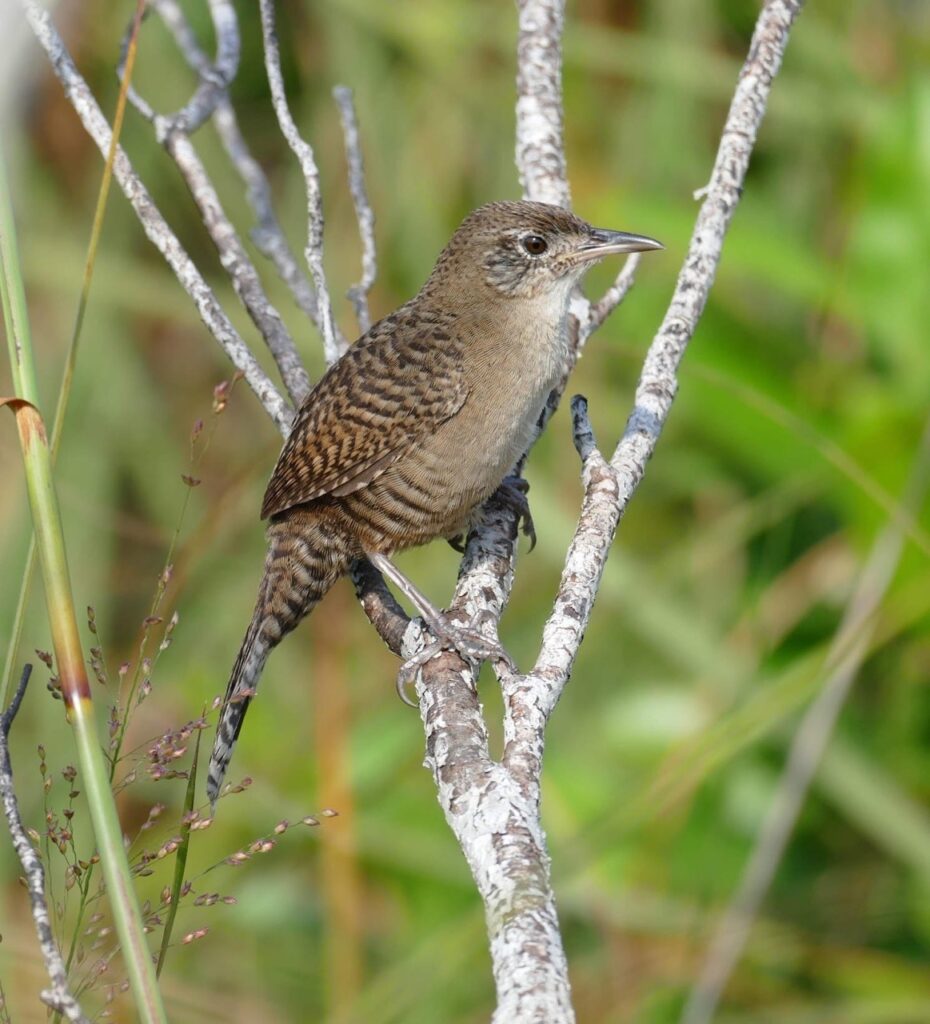
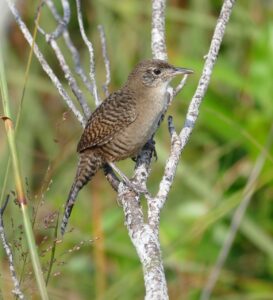 Departure to La Turba, a sedge and herbaceous wetland habitat within the Ciénaga, where it is possible to find two of Cuba’s rarest and most restricted species: Zapata Wren (Ferminia cerverai) and Zapata Sparrow (Torreornis inexpectata), as well as Red-shouldered Blackbird (Agelaius assimilis), along with other endemic and migratory species.
Visit to an ecological station where ex-situ conservation projects are being developed for threatened aquatic species such as the Cuban Gar (Atractosteus tristoechus) and Cuban Slider (Trachemys decusata).
In the afternoon, exploration of the savannas of Soplillar in search of: Cuban Amazon (Amazona leucocephala), Cuban Parakeet (Psittacara euops). A nocturnal excursion will be conducted to observe: Bare-legged Owl (Margarobyas lawrencii), Cuban Nightjar (Antrostomus cubanensis), American Barn Owl (White-winged) (Tyto furcata furcata) and Stygian Owl (Asio stygius siguapa). Checklist, dinner, and accommodation at B&B.
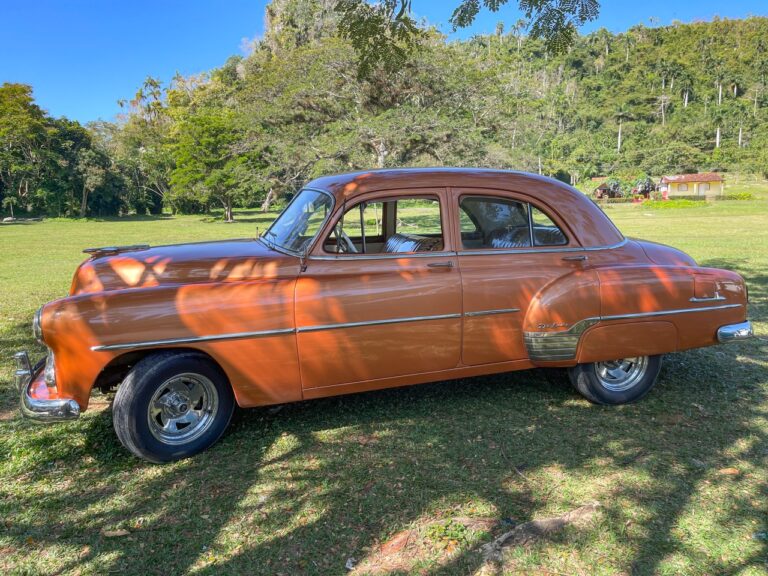
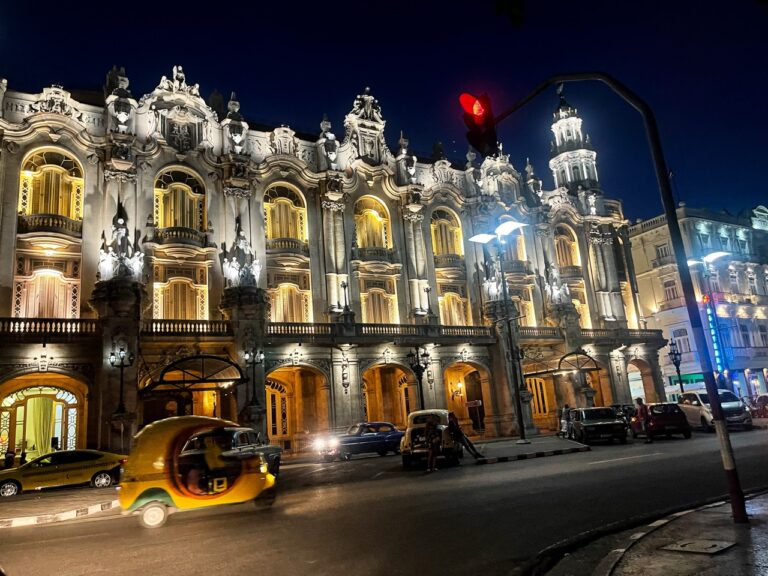
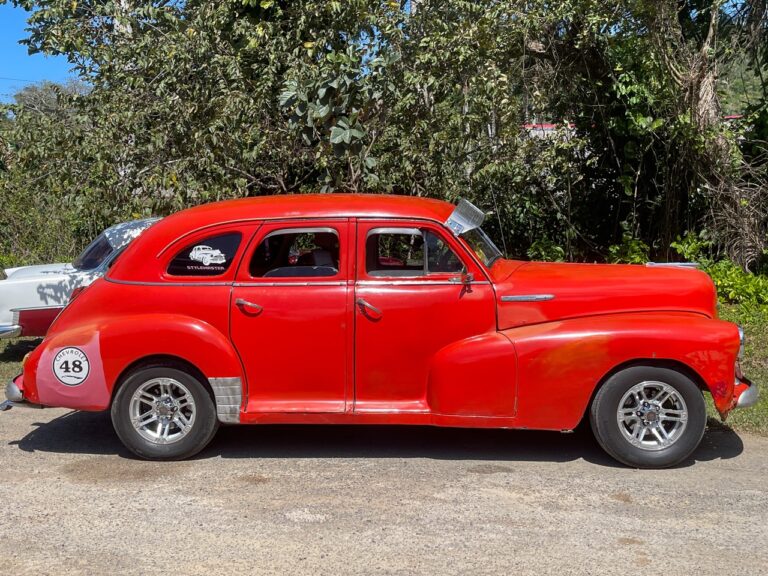
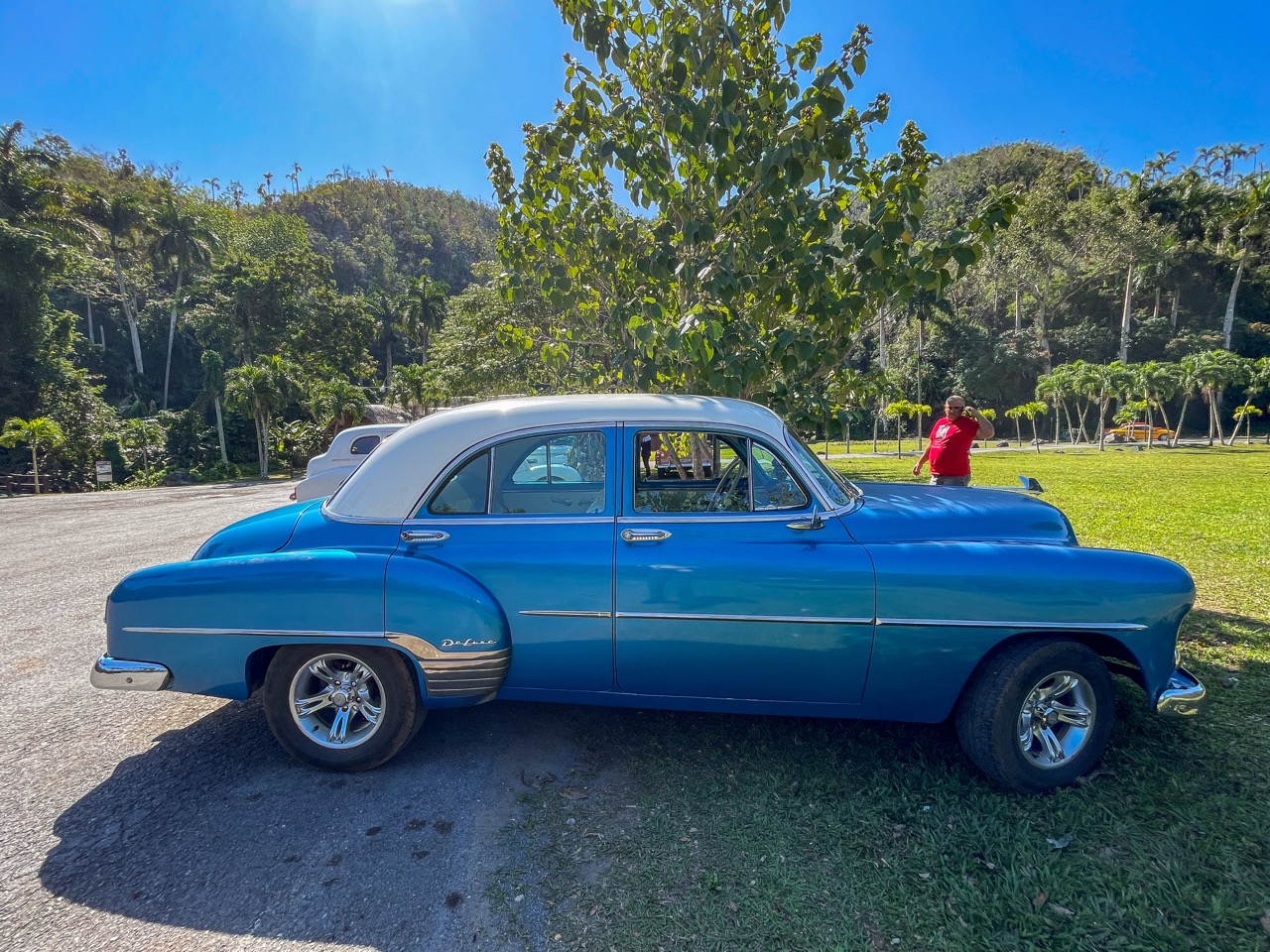
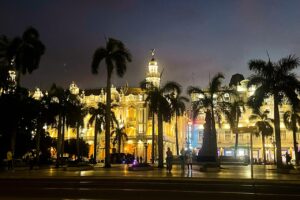 Breakfast and return to discover Havana in style (approx. 2 hours), traveling through the beautiful streets of the Cuban capital aboard an elegant classic American car from the 1950s.After breakfast, the iconic American vintage cars will pick you up for a tour of Old Havana, making stops at the main points of interest. This will be followed by a guided walking tour of the five most important colonial squares, around which the city was founded and later expanded.
While walking through the narrow streets with your guide, you will immerse yourself in the colonial atmosphere and visit majestic buildings such as the Cathedral of San Cristóbal, the Fortaleza de La Cabaña, and the Castillo del Morro.You will enjoy lunch and have the afternoon free, or alternatively you may dedicate it to birdwatching at Playa del Chivo (optional), the most recognized site in the city for observing shorebirds.
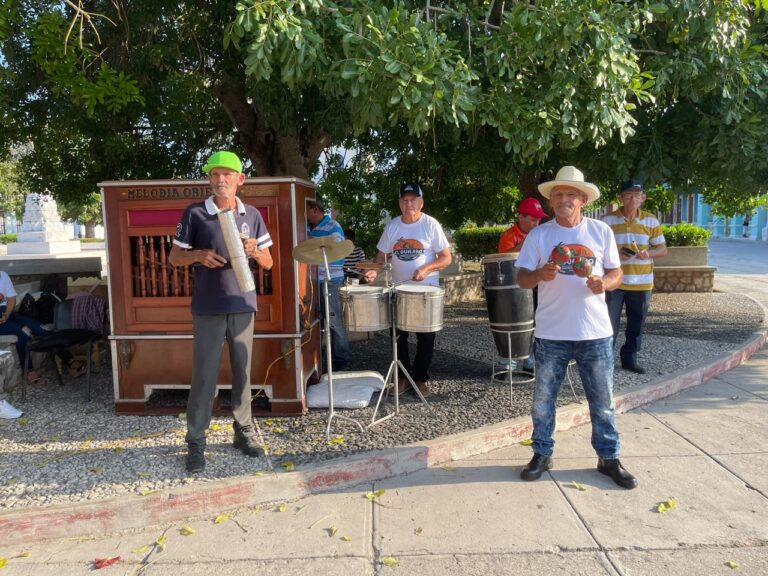
The day concludes with a farewell dinner at the restaurant “Guajirito”, an excellent place to enjoy Cuban music, where the Buena Vista Social Club band (Grammy winners) often performs.
Transfer to the airport.

Arrival in Havana and transfer to Viñales, visiting the Soroa Orchid Garden and surrounding areas along the route, an excellent starting point for the endemic species list including Cuban Trogon, Cuban Tody, Cuban Green Woodpecker, Scaly-naped Pigeon, White-crowned Pigeon, Western Spindalis, West Indian Woodpecker, Cuban Oriole, Tawny-shouldered Blackbird, Cuban Pewee, Yellow-headed Warbler, Western Red-legged Thrush (Rusty belly), Cuban Vireo, La Sagra’s Flycatcher, Loggerhead Kingbird, Giant Kingbird, among other migratory species. Lunch at a local restaurant.
Transfer to Viñales, approx. 1.5 hrs (2 nights). Visit to Nils’ home-studio, where he will present his original illustrations of Cuban birds and share exclusive details about his projects and his upcoming book Birds of Cuba, A Comprehensive Field Guide. Dinner on the terrace at sunset, in an intimate and specialized atmosphere, preparation of the “checklist”. Accommodation at B&B.
The Viñales National Park and Viñales Valley, declared a UNESCO World Heritage Site (1999), represent one of the most spectacular landscapes in Cuba, surrounded by limestone mogotes and renowned for its tobacco-growing tradition.
Morning birding around the San Vicente Farm area to locate Scaly-naped Pigeon (Patagioenas squamosa), Cuban Solitaire (Myadestes elisabeth), Olive-capped Warbler (Setophaga pityophila), Cuban Vireo (Vireo gundlachii), Yellow-headed Warbler (Teretistris fernandinae), Red-legged Honeycrepper (Cyanerpes cyaneus).
Exploration of trails within Viñales National Park in search of: Cuban Trogon (,Priotelus temnurus), Cuban Tody(Todus multicolor), Cuban Green Woodpecker (Xiphidiopicus percussus), Cuban Grassquit (Phonipara canora), Scaly-naped Pigeon (Patagioenas squamosa), Antillean Palm Swift (Tachornis phoneicobia iradii), Western Spindalis (Spindalis zena pretrei), West Indian Woodpecker (Melanerpes superciliaris), Cuban Pygmy Owl (Glaucidium siju), Cuban Oriole (Icterus melanopsis), Tawny-shouldered Blackbird (Agelaius humeralis), Cuban Pewee (Contopus caribaeus), Yellow-headed Warbler (Teretistris fernandinae), , Cuban Bullfinch (Melopyrrha nigra), Cuban Vireo (Vireo gundlachii), Great Lizard Cuckoo (Coccyzus merlini), Eastern (Cuban) Meadowlark (Sturnella magna hippocrepis), as well as Nearctic migrants (warblers, tanagers, sparrows, and allies).
In the afternoon, birding in the Mural de la Prehistoria area. Checklist review and dinner at an ecological restaurant with one of the best sunset views in the valley. Accommodation at B&B.
Early departure toward Playa Larga, Zapata Swamp (5+ hours), with strategic stops at wetlands along the highway to observe: King Rail / Cuban(Rallus elegans), Northern Jacana (Jacana spinosa), Snail Kite (Rosthramus sociabilis), as well as different species of ducks, gulls, and shorebirds.
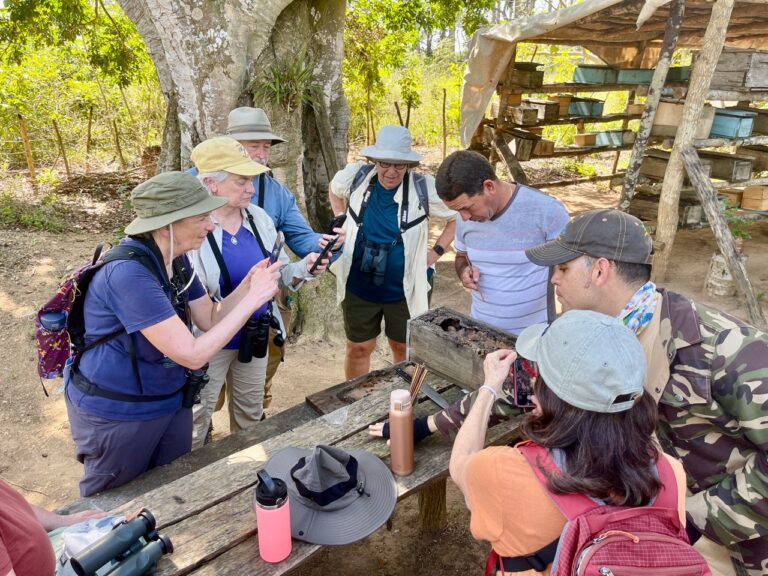
Visit to the Las Terrazas Biosphere Reserve, where excellent views of different Cuban endemics and migratory species of warblers and vireos can be obtained, with a special opportunity to search for “targets” such as Cuban Grassquit Cuban Grassquit(Phonipara canora) and the Stygian Owl (Asio stygius). Picnic lunch at the family eco-farm “El Rocío”, with opportunities for birding in the surrounding areas and searching for Fernandina´s Flicker (Colaptes fernandinae) and other Cuban and Caribbean endemics. The visit also includes an introduction to a Cuban stingless bee farm, the Cuban Stingless Bee (Melipona becheei) and tasting its honey with remarkable healing properties.
Arrival in Playa Larga, Bahía de Cochinos. The Ciénaga de Zapata is the largest wetland in the insular Caribbean, a Biosphere Reserve and Ramsar Site, with over 254 recorded species and the richest birding area in the entire archipelago due to its habitat diversity and high concentration of endemics.
Accommodation at B&B (3 nights). Checklist and dinner.
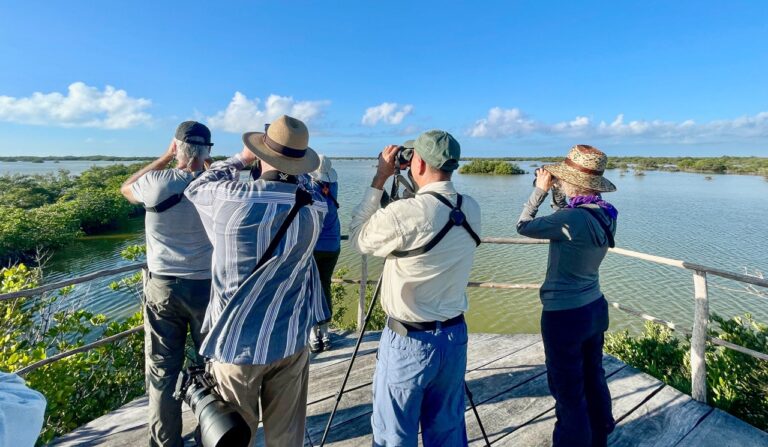
Exploration of marshes, mangroves, and open wetlands, where it is possible to observe: Cuban Blackhawk (Buteogallus gundlachii), American Flamingo (Phoenicopterus ruber), Roseate Spoombill (Platalea ajaja) , White Ibis (Eudocimus albus), Reddish Egret (Egretta rufescens), American Woodstork (Mycteria americana), Osprey (Pandion haliaetus ridgwayi), Clapper Rail (Rallus crepitans), Skimmer (Rynchops niger), Mangrove Yellow Warbler (Setophaga petechia gundlachii), , and the charismatic white morph of the Great Blue Heron (Ardea herodias occidentalis) entre otras muchas especies de gaviotas, gallegos, zarapicos y patos. Almuerzo en el clásico y pintoresco restaurante “El Ticki”, located in front of the bay in Playa Larga with beautiful views.
In the afternoon, visit to the Casa Ana backyard, where we will be welcomed by our host Adrian, and it will be possible to observe up close the world’s smallest bird, the Bee Hummingbird (Mellisuga helenae), Cuban Emerald (Ricordia ricordii), Tawny-shouldered Blackbird (Agelaius humeralis), , Cuban Crow (Corvus nasicus), Cuban Pygmy Owl (Glaucidium siju), and numerous migratory warblers, including Cape May Warbler (Setophaga tigrina) Black-throated Blue Warbler (Setophaga caerulescens). Then we will visit the “Jardín de Rocío”, located in the rural settlement Los Hondones, a true bird paradise where tranquility prevails, in direct contact with nature and the hospitality of hosts Julio “El Chino” and his wife Yona. Here it is possible to enjoy close encounters with: Blue-headed Quail Dove (Starnoeans cyanocephala), Zenaida Dove (Zenaida aurita zenaida), Cuban Blackbird (Ptiloxena atroviolacea), Tawny-shouldered Blackbird (Agelaius humeralis), Shiny Cowbird (Molothrus bonariensis), Bee Hummingbird (Mellisuga helenae) among other Cuban, regional, and migratory species. Checklist and dinner. Accommodation at B&B.
Departure to La Turba, a sedge and herbaceous wetland habitat within the Ciénaga, where it is possible to find two of Cuba’s rarest and most restricted species: Zapata Wren (Ferminia cerverai) and Zapata Sparrow (Torreornis inexpectata), as well as Red-shouldered Blackbird (Agelaius assimilis), along with other endemic and migratory species.
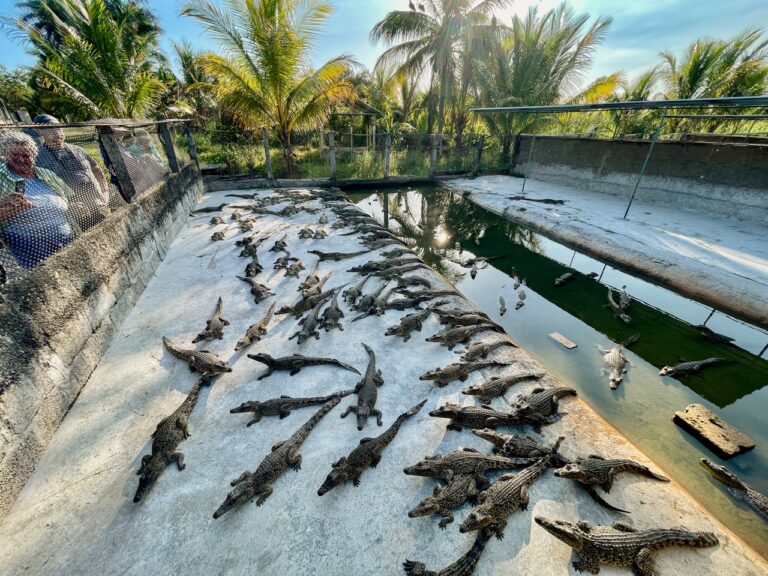
Visit to an ecological station where ex-situ conservation projects are being developed for threatened aquatic species such as the Cuban Gar (Atractosteus tristoechus) and Cuban Slider (Trachemys decusata).
In the afternoon, exploration of the savannas of Soplillar in search of: Cuban Amazon (Amazona leucocephala), Cuban Parakeet (Psittacara euops). A nocturnal excursion will be conducted to observe: Bare-legged Owl (Margarobyas lawrencii), Cuban Nightjar (Antrostomus cubanensis), American Barn Owl (White-winged) (Tyto furcata furcata) and Stygian Owl (Asio stygius siguapa). Checklist, dinner, and accommodation at B&B.
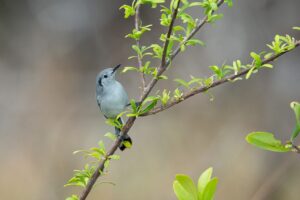 Departure at 6:30 a.m. toward Cienfuegos with a stop at Bermejas Refuge (approx. 50 min) to observe Blue-headed Quail-Dove,Starnoeans cyanocephala), Gray-fronted Quail-Dove (Geotrygon caniceps), Cuban Parakeet (Psittacara euops), Carpintero Churroso/Fernandina´s Flicker (Colaptes fernandinae), Carpintero Escapulario/Northern Flicker (Cuban) (Colaptes auratus chrysocaulossus), Cuban Pygmy Owl (Glaucidium sijú), along with other endemic and migratory species.
Two additional stops along the way (La Cuchilla and Babiney rice fields) to observe Red-shouldered Blackbird (Agelaius assimilis), Limpkin (Aramus guarauna pictus). In the Babiney rice fields, large concentrations of Glossy Ibis (Plegadis falcinellus), King Rail (Cuban) (Rallus elegans ramsdeni) and other waterbirds and shorebirds can be observed.
Arrival in Cienfuegos (approx. 45 min), a UNESCO World Heritage Site known as the “Pearl of the South.” Lunch at a local restaurant. Alternatively, a visit to the Botanical Garden may be arranged in search of Gundlach's Hawk (Astur gundlachi).
Heading east along the southern coastal road with scenic views of the Caribbean Sea (45 min), with stops to observe Cuban Gnatcatcher (Polioptila lembeyei), White-collared Swift (Streptoprocne zonaris), Black Swift (Cypseloides niger) and potential hybrids between Yellow-headed Warbler (Teretistris fernandinae) and Oriente Warbler (Teretistris fornsi).
Accommodation at Villa Guajimico (1 night), a coastal enclave between hills and reefs with endemic bird presence and nearby cave systems. Checklist and dinner.
Early departure to Cayo Coco. For birdwatching and a guided encounter with a local expert, the target species will be: The Giant Kingbird (Tyrannus cubensis), Cuban Palm Crow (Corvus minutus) y Pechero/Oriente Warbler (Teretistris fernandinae), as well as other endemic and migratory species, with an opportunity to search for Gundlach's Hawk (Astur gundlachii). Lunch at a local restaurant, then continue to Cayo Coco (approx. 4 hrs). Overnight at the hotel. an all-inclusive hotel (2 nights). Checklist and dinner.
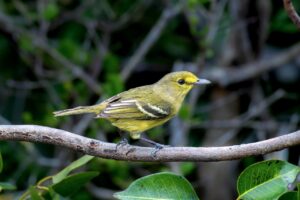 Early breakfast and departure at dawn to Cayo Paredón (approx. 50 min), where the main target will be the Thick-billed Vireo (Vireo crassirostris), a very difficult species to observe, along with a wide diversity of waterbirds that will add to the trip list, including resident and migratory species.In the area it is common to observe Cuban Black Hawk,Buteogallus gundlachii), Osprey (Caribbean)Pandion haliaetus ridgwayi), as well as the white morph of the Great Blue Heron (Ardea herodias occidentalis). Visit to Cayo Guillermo (approx. 1.5 hr) to search Bahama Mokingbird (Mimus gundlachi) and West Indian Whisthling Duck (Dendrocygna arborea), It is also possible to observe the Bahama SwallowTachycineta cyaneoviridis) and a wide variety of waterbirds in the coastal lagoons, offering an opportunity to increase the species count for the trip.
Lunch at the hotel (an all-inclusive hotel). In the afternoon, visit to Playa Las Coloradas for shorebird observation, with special focus on the Piping Plover (Charadrius melodus) and American Oystercatcher (Haematopus palliatus). Short rest at the hotel followed by a night excursion to Cueva del Jabalí, with opportunities to observe Key West Quail Dove (Geotrygon chrysia), Zapata Sparrow (Torreornis inexpectata varonai), Oriente Warbler (Teretistris fornsi)Mangrove Cuckoo (Coccyzus minor) among other resident and migratory species. Cuban Nightjar (Antrostomus cubanensis) Chuck-will´s-widow (Antrostomus carolinensis).
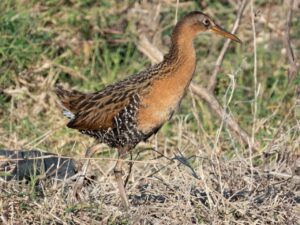 Early breakfast and departure to the Chambas rice fields (approx. 1.5 hours), an excellent site for freshwater species such as Spotted Rail (Pardirallus maculatus), Yellow-breasted Crake (Laterallus flaviventer), Fulvous Whisthling Duck (Dendrocygna bicolor), King Rail(Rallus elegans ramsdeni), Glossy Ibis (Plegadis facinellus), among many other waterbird species such as sandpipers, ducks, and gulls. Lunch at a local restaurant and continue on to Havana. Arrival in Havana in the evening hours (approx. 6 hrs), B&B accommodation, checklist, dinner.
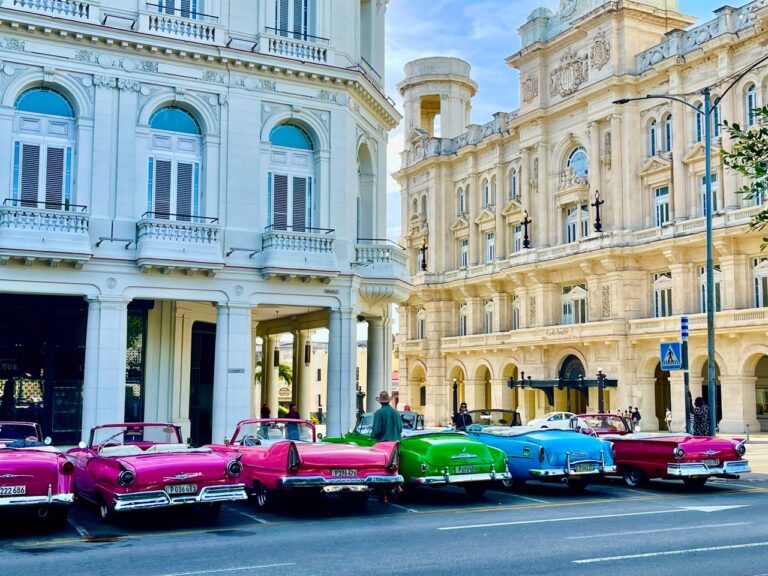
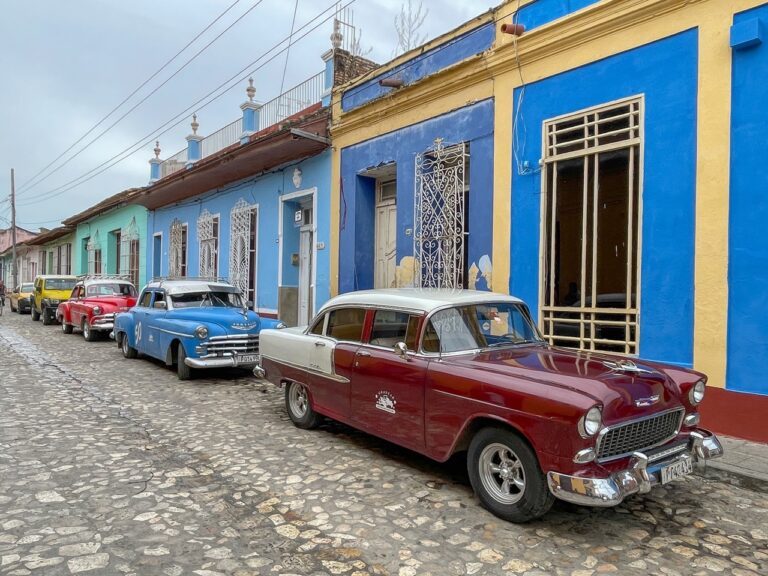
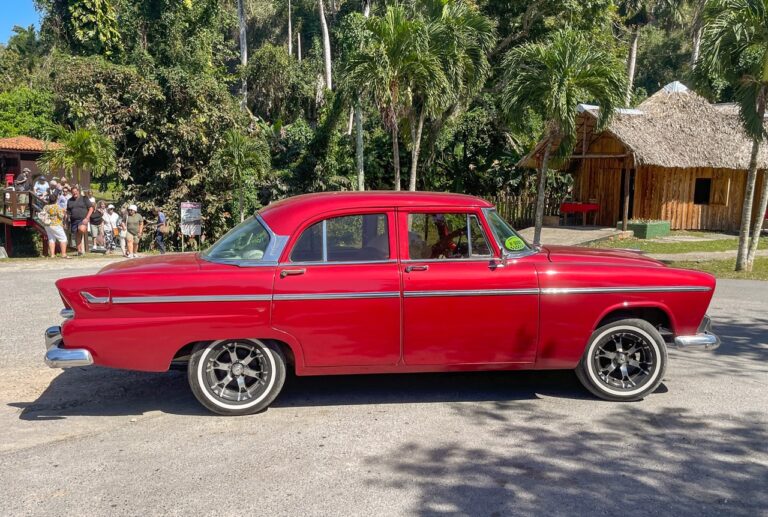
 Discover Havana in style, traveling through the beautiful streets of the Cuban capital aboard an elegant 1950s classic American car.
After breakfast, the iconic vintage cars will pick you up for a tour of Old Havana, with stops at the main points of interest. This will be followed by a guided walking tour of the five most important colonial squares, around which the city was founded and later expanded.
Discover Havana in style, traveling through the beautiful streets of the Cuban capital aboard an elegant 1950s classic American car.
After breakfast, the iconic vintage cars will pick you up for a tour of Old Havana, with stops at the main points of interest. This will be followed by a guided walking tour of the five most important colonial squares, around which the city was founded and later expanded.
While walking through the narrow streets with your guide, you will immerse yourself in the colonial atmosphere and visit majestic buildings such as the Cathedral of San Cristóbal, the Fortaleza de La Cabaña, and the Castillo del Morro.You will enjoy lunch and have the afternoon free, or alternatively you may dedicate it to birdwatching at Playa del Chivo (optional), the most recognized site in the city for observing shorebirds.
The day concludes with a farewell dinner at the restaurant “Guajirito”, an excellent place to enjoy Cuban music, where the Buena Vista Social Club band (Grammy winners) often performs.
Transfer to the airport.
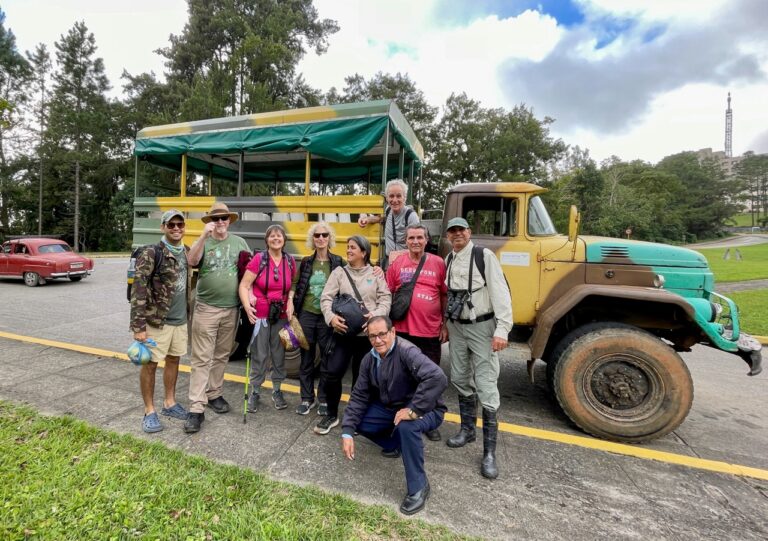
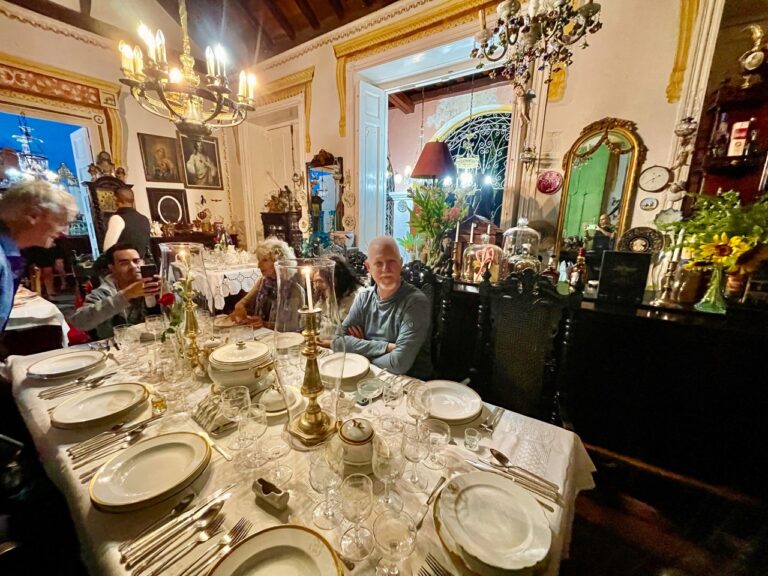
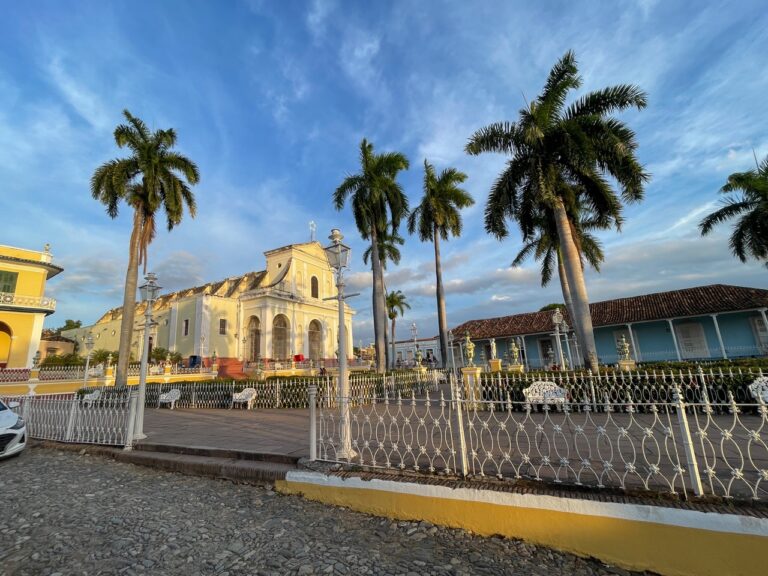
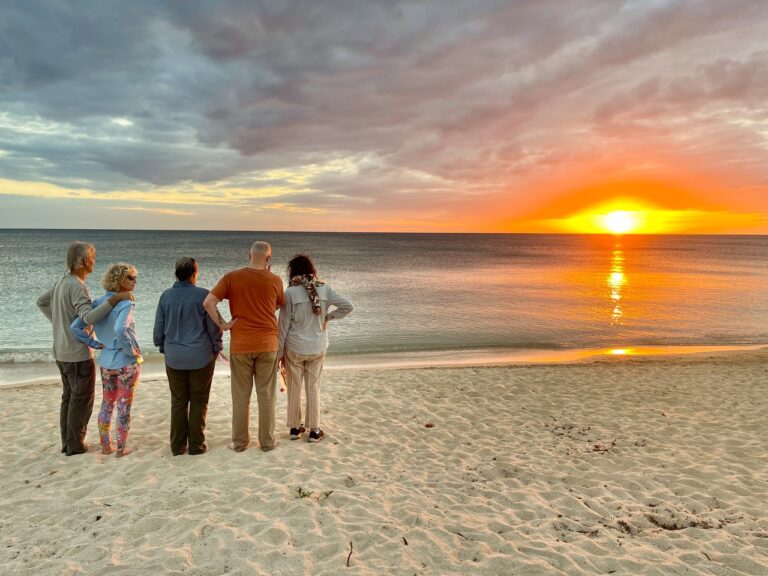
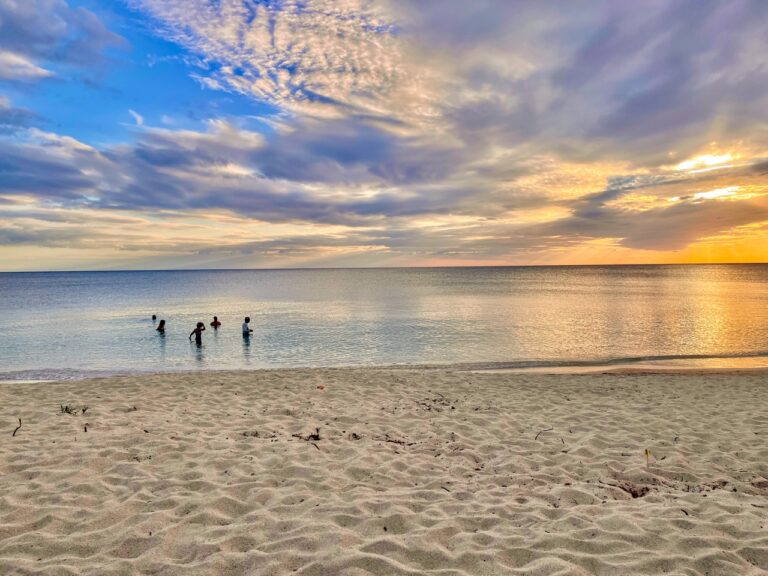

Reception at José Martí International Airport (Havana) and transfer to Soroa (approx. 1 hour driving west).
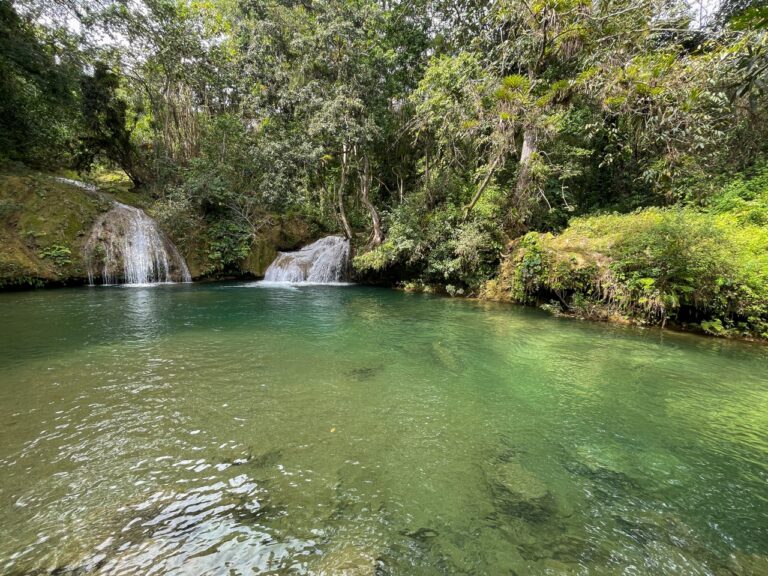
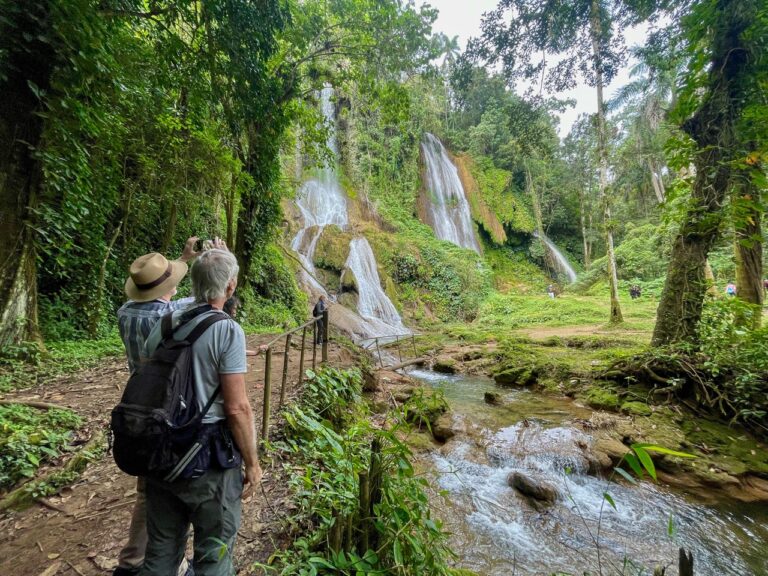
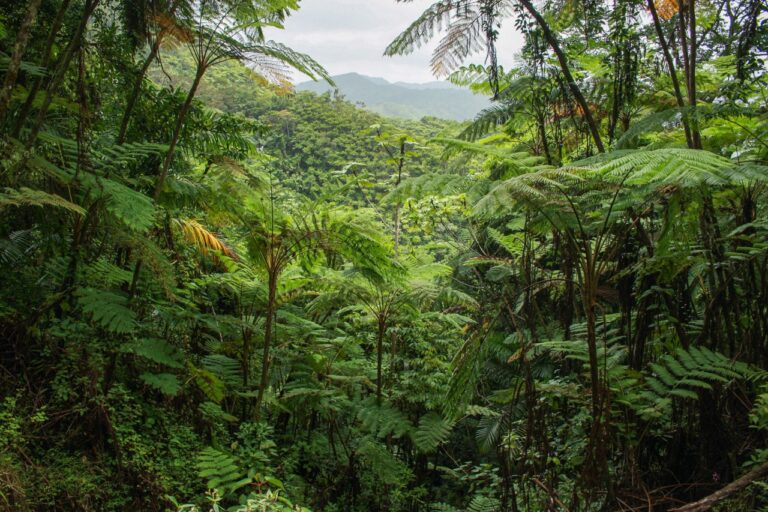
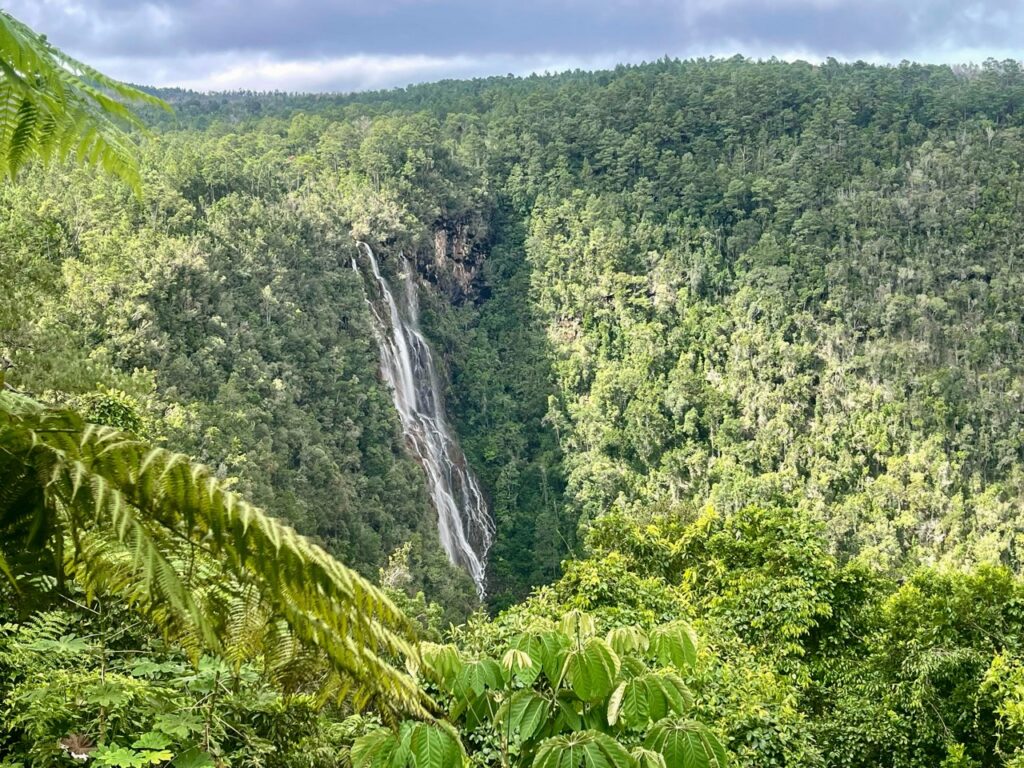
Soroa is located in a lush intramontane valley surrounded by tropical forest and beautiful waterfalls. The route offers spectacular scenery that anticipates the biological richness of western Cuba. A typical rural, quiet, and scenic area, ideal for starting the trip in a privileged natural setting. Afternoon birdwatching at sunset.
Accommodation in a guesthouse (2 nights). Welcome meeting, checklist, and dinner at a private local restaurant.At night, optional search for Cuban Pygmy Owl Platanero/Cuban Pygmy Owl (Glaucidium sijú), American Barn Owl (White-winged) (Tyto furcata furcata) as well as observation Western Tree Hutia (Mesocapromys prehensilis), using a thermal camera. Accommodation at B&B.
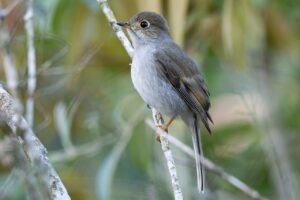 Morning birding session at the Soroa Orchid Garden and surrounding areas, an excellent starting point for Cuban endemics: Cuban TrogonPriotelus temnurus), Cuban Tody(Todus multicolor), Cuban Green Woodpecker (Xiphidiopicus percussus), Scaly-naped Pigeon (Patagioenas squamosaWhite-crowned PigeonPatagioenas leucocephala), Western Spindalis (Spindalis zena pretrei), West Indian Woodpecker (Melanerpes superciliaris), Cuban Oriole (Icterus melanopsis), Tawny-shouldered Blackbird (Agelaius humeralis), Cuban Pewee (Contopus caribaeus), Yellow-headed Warbler (Teretistris fernandinae), Western Red-legged Thrush (Rusty belly) (Turdus plumbeus rubripes), Cuban Vireo (Vireo gundlachii), La Sagra´s Flycatcher (Myarchus sagraeLogerhead Kingbird (Tyrannus caudifasciatus), Giant Kingbird,Tyrannus tyrannus)along with several migratory species. Lunch at a local restaurant.
Transfer to Viñales (approx. 1.5 hours, 2 nights). Visit to Nils’ studio-home, where he will present his original Cuban bird illustrations and share exclusive details of his projects and his upcoming book Field Guide to the Birds of CubaSunset terrace dinner in an intimate, specialized setting, checklist compilation. Accommodation at B&B.
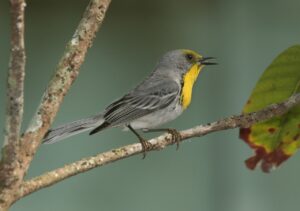 The Viñales National Park and Viñales Valley, declared a UNESCO World Heritage Site (1999), represent one of the most spectacular landscapes in Cuba, surrounded by limestone mogotes and renowned for its tobacco-growing tradition.
Morning birding around the San Vicente Farm area to locate Scaly-naped Pigeon (Patagioenas squamosa), Cuban Solitaire (Myadestes elisabeth), Olive-capped Warbler (Setophaga pityophila), Cuban Vireo (Vireo gundlachii), Yellow-headed Warbler (Teretistris fernandinae), Red-legged Honeycrepper (Cyanerpes cyaneus).
Exploration of trails within Viñales National Park in search of: Cuban Trogon (,Priotelus temnurus), Cuban Tody(Todus multicolor), Cuban Green Woodpecker (Xiphidiopicus percussus), Cuban Grassquit (Phonipara canora), Scaly-naped Pigeon (Patagioenas squamosa), Antillean Palm Swift (Tachornis phoneicobia iradii), Western Spindalis (Spindalis zena pretrei), West Indian Woodpecker (Melanerpes superciliaris), Cuban Pygmy Owl (Glaucidium siju), Cuban Oriole (Icterus melanopsis), Tawny-shouldered Blackbird (Agelaius humeralis), Cuban Pewee (Contopus caribaeus), Yellow-headed Warbler (Teretistris fernandinae), , Cuban Bullfinch (Melopyrrha nigra), Cuban Vireo (Vireo gundlachii), Great Lizard Cuckoo (Coccyzus merlini), Eastern (Cuban) Meadowlark (Sturnella magna hippocrepis), in addition to Nearctic migrants (warblers, tanagers, emberizids).
In the afternoon, birding in the Mural de la Prehistoria area. Checklist review and dinner at an ecological restaurant with one of the best sunset views in the valley. Accommodation at B&B.
Early departure toward Playa Larga, Zapata Swamp (5+ hours), with strategic stops at wetlands along the highway to observe: King Rail / Cuban(Rallus elegans), Northern Jacana (Jacana spinosa), Snail Kite (Rosthramus sociabilis), as well as different species of ducks, gulls, and shorebirds.
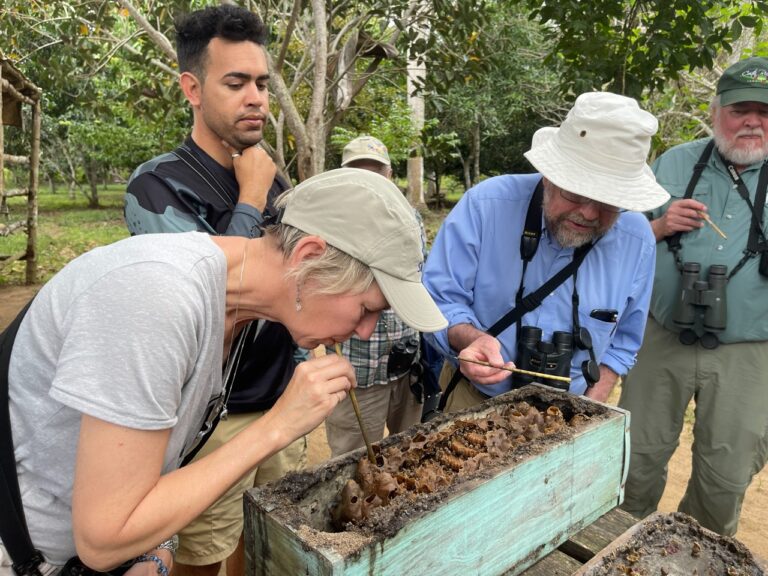
Visit to the Las Terrazas Biosphere Reserve, where excellent views of different Cuban endemics and migratory species of warblers and vireos can be obtained, with a special opportunity to search for “targets” such as Cuban Grassquit Cuban Grassquit(Phonipara canora) and the Stygian Owl (Asio stygius). Picnic lunch at the family eco-farm “El Rocío”, with opportunities for birding in the surrounding areas and searching for Fernandina´s Flicker (Colaptes fernandinae) and other Cuban and Caribbean endemics. The visit also includes an introduction to a Cuban stingless bee farm, the Cuban Stingless Bee (Melipona beecheii) and tasting its honey with remarkable healing properties.
Arrival in Playa Larga, Bahía de Cochinos. The Ciénaga de Zapata is the largest wetland in the insular Caribbean, a Biosphere Reserve and Ramsar Site, with over 254 recorded species and the richest birding area in the entire archipelago due to its habitat diversity and high concentration of endemics.
Accommodation at B&B (3 nights). Checklist and dinner.
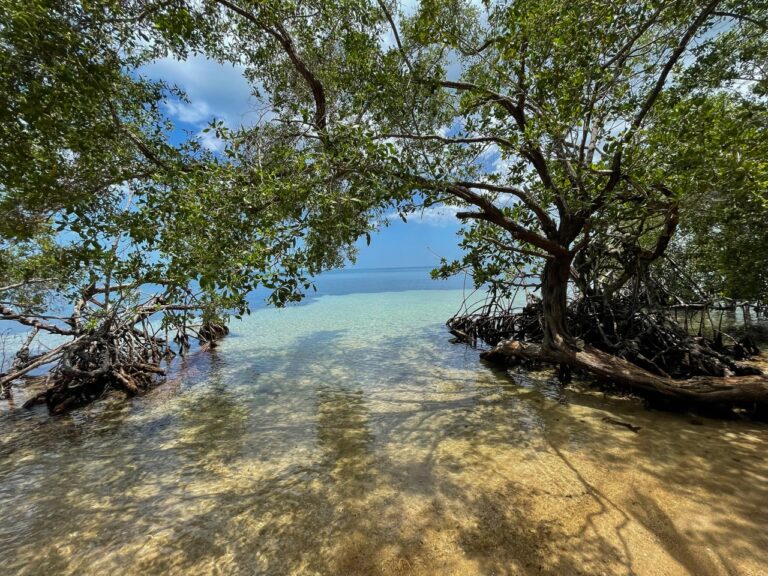
Exploration of marshes, mangroves, and open wetlands, where it is possible to observe: Cuban Blackhawk (Buteogallus gundlachii), American Flamingo (Phoenicopterus ruber), Roseate Spoombill (Platalea ajaja) , White Ibis (Eudocimus albus), Reddish Egret (Egretta rufescens), American Woodstork (Mycteria americana), Osprey (Pandion haliaetus ridgwayi), Clapper Rail (Rallus crepitans), Skimmer (Rynchops niger), Mangrove Yellow Warbler (Setophaga petechia gundlachii), , and the charismatic white morph of the Great Blue Heron (Ardea herodias occidentalis) among many other species of gulls, shorebirds, herons, and ducks.
Seafood lunch at the classic and picturesque restaurant “El Ticki”, located in front of the bay in Playa Larga with beautiful views.
In the afternoon, visit to the Casa Ana backyard, where we will be welcomed by our host Adrian, and it will be possible to observe up close the world’s smallest bird, the Bee Hummingbird (Mellisuga helenae), Cuban Emerald (Ricordia ricordii), Tawny-shouldered Blackbird (Agelaius humeralis), , Cuban Crow (Corvus nasicus), Cuban Pygmy Owl (Glaucidium siju), and numerous migratory warblers, including Cape May Warbler (Setophaga tigrina) Black-throated Blue Warbler (Setophaga caerulescens). Then we will visit the “Jardín de Rocío”, located in the rural settlement Los Hondones, a true bird paradise where tranquility prevails, in direct contact with nature and the hospitality of hosts Julio “El Chino” and his wife Yona. Here it is possible to enjoy close encounters with: Blue-headed Quail Dove (Starnoeans cyanocephala), Zenaida Dove (Zenaida aurita zenaida), Cuban Blackbird (Ptiloxena atroviolacea), Tawny-shouldered Blackbird (Agelaius humeralis), Shiny Cowbird (Molothrus bonariensis), Bee Hummingbird (Mellisuga helenae) among other Cuban, regional, and migratory species. Checklist and dinner. Accommodation at B&B.
Departure to La Turba, a sedge and herbaceous wetland habitat within the Ciénaga, where it is possible to find two of Cuba’s rarest and most restricted species: Zapata Wren (Ferminia cerverai) and Zapata Sparrow (Torreornis inexpectata), as well as Red-shouldered Blackbird (Agelaius assimilis), along with other endemic and migratory species.
Visit to an ecological station where ex-situ conservation projects are being developed for threatened aquatic species such as the Cuban Gar (Atractosteus tristoechus) and Cuban Slider (Trachemys decusata).
In the afternoon, exploration of the savannas of Soplillar in search of: Cuban Amazon (Amazona leucocephala), Cuban Parakeet (Psittacara euops). A nocturnal excursion will be conducted to observe: Bare-legged Owl (Margarobyas lawrencii), Cuban Nightjar (Antrostomus cubanensis), American Barn Owl (White-winged) (Tyto furcata furcata) and Stygian Owl (Asio stygius siguapa). Checklist, dinner, and accommodation at B&B.
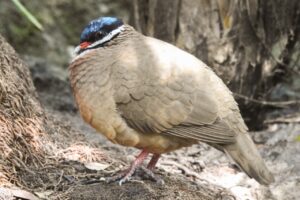 Departure at 6:30 a.m. toward Cienfuegos with a stop at Bermejas Refuge (approx. 50 min) to observe Blue-headed Quail-Dove,Starnoeans cyanocephala), Gray-fronted Quail-Dove (Geotrygon caniceps), Cuban Parakeet (Psittacara euops), Carpintero Churroso/Fernandina´s Flicker (Colaptes fernandinae), Carpintero Escapulario/Northern Flicker (Cuban) (Colaptes auratus chrysocaulossus), Cuban Pygmy Owl (Glaucidium sijú), along with other endemic and migratory species.
Two additional stops along the way (La Cuchilla and Babiney rice fields) to observe Red-shouldered Blackbird (Agelaius assimilis), Limpkin (Aramus guarauna pictus). In the Babiney rice fields, large concentrations of Glossy Ibis (Plegadis falcinellus), King Rail (Cuban) (Rallus elegans ramsdeni) and other waterbirds and shorebirds can be observed.
Arrival in Cienfuegos (approx. 45 min), a UNESCO World Heritage Site known as the “Pearl of the South.” Lunch at a local restaurant. Alternatively, a visit to the Botanical Garden may be arranged in search of Gundlach's Hawk (Astur gundlachi).
Heading east along the southern coastal road with scenic views of the Caribbean Sea (45 min), with stops to observe Cuban Gnatcatcher (Polioptila lembeyei), White-collared Swift (Streptoprocne zonaris), Black Swift (Cypseloides niger) and potential hybrids between Yellow-headed Warbler (Teretistris fernandinae) and Oriente Warbler (Teretistris fornsi).
Accommodation at Villa Guajimico (1 night), a coastal enclave between hills and reefs with endemic bird presence and nearby cave systems. Checklist and dinner.
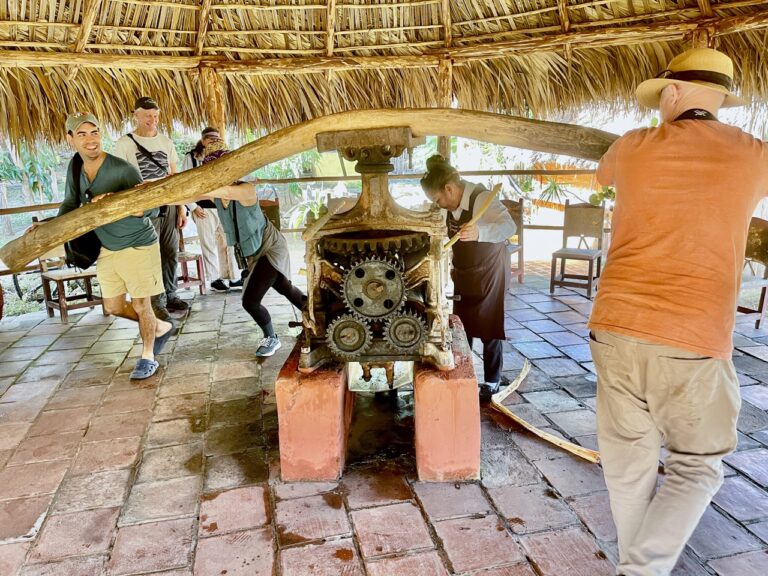
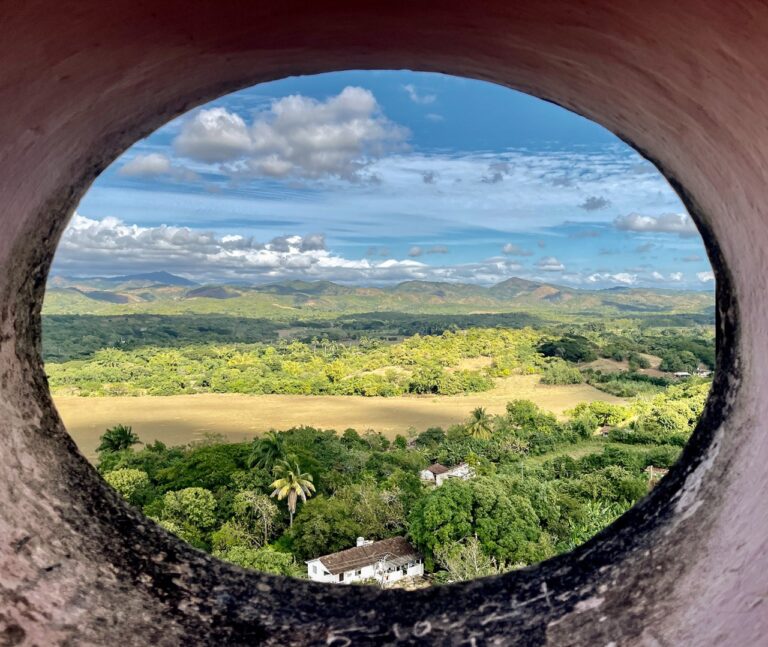
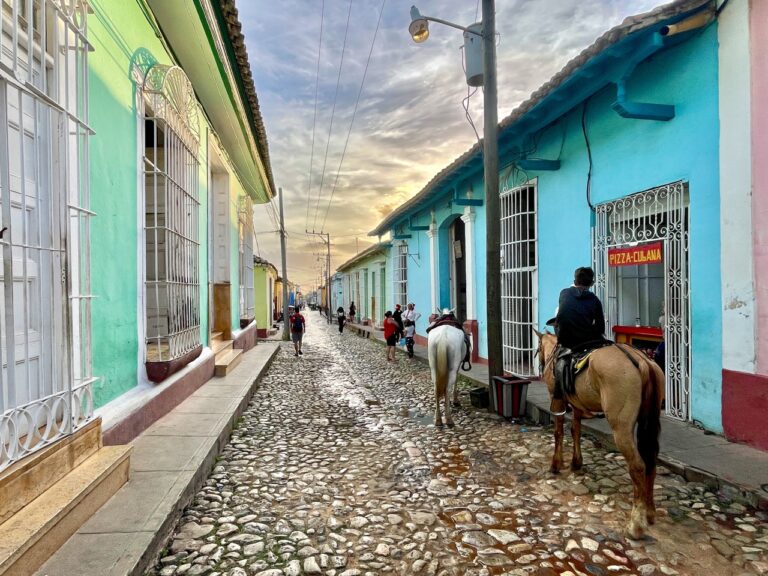
Departure at dawn toward Trinidad (a UNESCO World Heritage Site). En route birding stops to look for Cuban Palm Crow (Corvus minutus), Cao Montero/Cuban Crow (Corvus nasicus), Giant Kingbird (Tyrannus cubensis). Visit to the Valle de los Ingenios and the historic center of the town.
Lunch at a local restaurant in Trinidad. Return to Havana. Accommodation at a B&B guesthouse (2 nights).
Panoramic tour in 1950s American classic cars through the main architectural landmarks.
Guided visit through the five colonial squares of the historic center, including the Cathedral of Havana, the La Cabaña Fortress, and the El Morro Castle.
Lunch. Free afternoon or optional birdwatching at Playa del Chivo, the main urban site for shorebirds and coastal species.
Farewell dinner at a traditional Havana restaurant with live Cuban music, a regular stage for groups associated with the phenomenon Buena Vista Social Club.
Transfer to the airport.
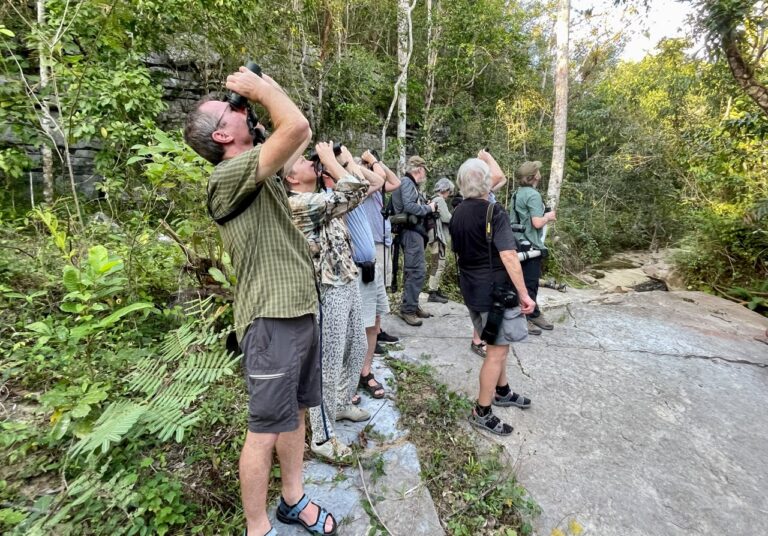
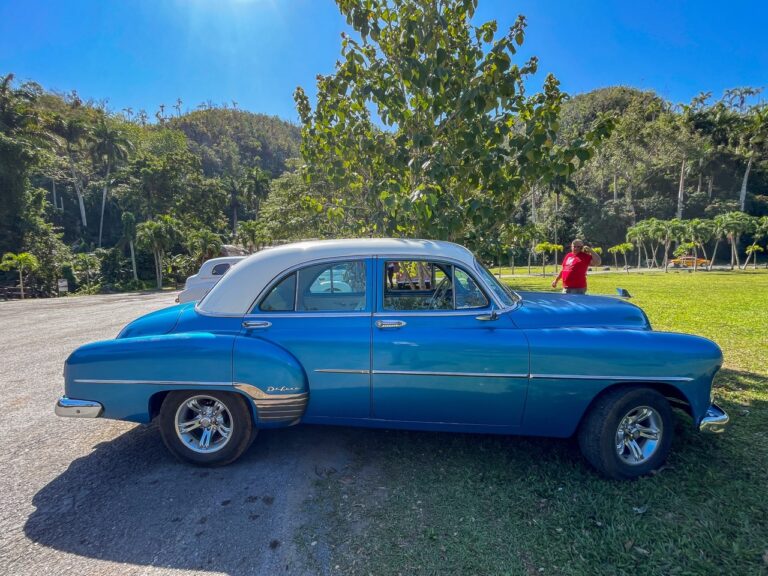

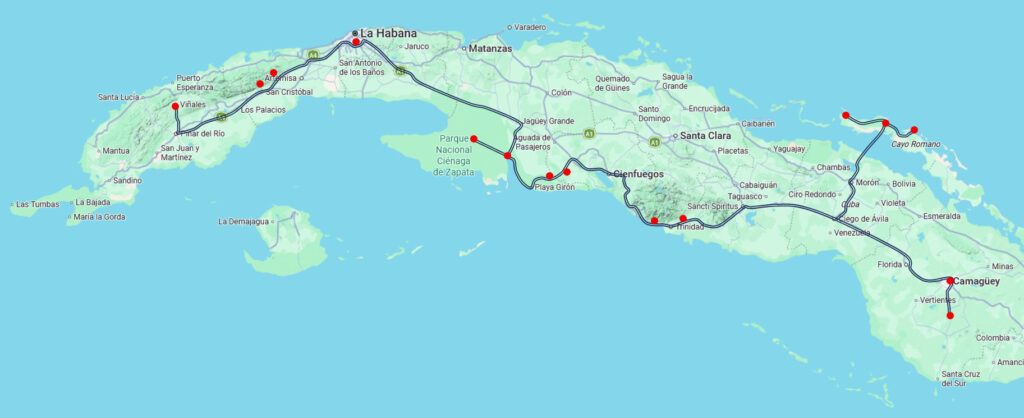
Arrival in Havana and transfer toward Viñales, with a stop en route at the Soroa Orchid Garden and surrounding areas, an excellent site to begin the list of Cuban endemics: Cuban TrogonPriotelus temnurus), Cuban Tody(Todus multicolor), Cuban Green Woodpecker (Xiphidiopicus percussus), Scaly-naped Pigeon (Patagioenas squamosaWhite-crowned PigeonPatagioenas leucocephala), Western Spindalis (Spindalis zena pretrei), West Indian Woodpecker (Melanerpes superciliaris), Cuban Oriole (Icterus melanopsis), Tawny-shouldered Blackbird (Agelaius humeralis), Cuban Pewee (Contopus caribaeus), Yellow-headed Warbler (Teretistris fernandinae), Western Red-legged Thrush (Rusty belly) (Turdus plumbeus rubripes), Cuban Vireo (Vireo gundlachii), La Sagra´s Flycatcher (Myarchus sagraeLogerhead Kingbird (Tyrannus caudifasciatus), Giant Kingbird,Tyrannus tyrannus)along with several migratory species. Lunch at a local restaurant.
Transfer to Viñales (approx. 1.5 hours, 2 nights). Visit to Nils’ studio-home, where he will present his original Cuban bird illustrations and share exclusive details of his projects and his upcoming book Field Guide to the Birds of CubaSunset terrace dinner in an intimate, specialized setting, checklist compilation. Accommodation at B&B.
The Viñales National Park and Viñales Valley, declared a UNESCO World Heritage Site (1999), represent one of the most spectacular landscapes in Cuba, surrounded by limestone mogotes and renowned for its tobacco-growing tradition.
Morning birding around the San Vicente Farm area to locate Scaly-naped Pigeon (Patagioenas squamosa), Cuban Solitaire (Myadestes elisabeth), Olive-capped Warbler (Setophaga pityophila), Cuban Vireo (Vireo gundlachii), Yellow-headed Warbler (Teretistris fernandinae), Red-legged Honeycrepper (Cyanerpes cyaneus).
Exploration of trails within Viñales National Park in search of: Cuban Trogon (,Priotelus temnurus), Cuban Tody(Todus multicolor), Cuban Green Woodpecker (Xiphidiopicus percussus), Cuban Grassquit (Phonipara canora), Scaly-naped Pigeon (Patagioenas squamosa), Antillean Palm Swift (Tachornis phoneicobia iradii), Western Spindalis (Spindalis zena pretrei), West Indian Woodpecker (Melanerpes superciliaris), Cuban Pygmy Owl (Glaucidium siju), Cuban Oriole (Icterus melanopsis), Tawny-shouldered Blackbird (Agelaius humeralis), Cuban Pewee (Contopus caribaeus), Yellow-headed Warbler (Teretistris fernandinae), , Cuban Bullfinch (Melopyrrha nigra), Cuban Vireo (Vireo gundlachii), Great Lizard Cuckoo (Coccyzus merlini), Eastern (Cuban) Meadowlark (Sturnella magna hippocrepis), in addition to Nearctic migrants (warblers, tanagers, emberizids).
In the afternoon, birding in the Mural de la Prehistoria area. Checklist review and dinner at an ecological restaurant with one of the best sunset views in the valley. Accommodation at B&B.
Early departure toward Playa Larga, Zapata Swamp (5+ hours), with strategic stops at wetlands along the highway to observe: King Rail / Cuban(Rallus elegans), Northern Jacana (Jacana spinosa), Snail Kite (Rosthramus sociabilis), as well as different species of ducks, gulls, and shorebirds.
Visit to the Las Terrazas Biosphere Reserve, where excellent views of different Cuban endemics and migratory species of warblers and vireos can be obtained, with a special opportunity to search for “targets” such as Cuban Grassquit Cuban Grassquit(Phonipara canora) and the Stygian Owl (Asio stygius). Picnic lunch at the family eco-farm “El Rocío”, with opportunities for birding in the surrounding areas and searching for Fernandina´s Flicker (Colaptes fernandinae) and other Cuban and Caribbean endemics. The visit also includes an introduction to a Cuban stingless bee farm, the Cuban Stingless Bee (Melipona becheei) and tasting its honey with remarkable healing properties.
Arrival in Playa Larga, Bahía de Cochinos. The Ciénaga de Zapata is the largest wetland in the insular Caribbean, a Biosphere Reserve and Ramsar Site, with over 254 recorded species and the richest birding area in the entire archipelago due to its habitat diversity and high concentration of endemics.
Accommodation at B&B (3 nights). Checklist and dinner.
Exploration of marshes, mangroves, and open wetlands, where it is possible to observe: Cuban Blackhawk (Buteogallus gundlachii), American Flamingo (Phoenicopterus ruber), Roseate Spoombill (Platalea ajaja) , White Ibis (Eudocimus albus), Reddish Egret (Egretta rufescens), American Woodstork (Mycteria americana), Osprey (Pandion haliaetus ridgwayi), Clapper Rail (Rallus crepitans), Skimmer (Rynchops niger), Mangrove Yellow Warbler (Setophaga petechia gundlachii), , and the charismatic white morph of the Great Blue Heron (Ardea herodias occidentalis) among many other species of gulls, shorebirds, herons, and ducks.
Seafood lunch at the classic and picturesque restaurant “El Ticki”, located in front of the bay in Playa Larga with beautiful views.
In the afternoon, visit to the Casa Ana backyard, where we will be welcomed by our host Adrian, and it will be possible to observe up close the world’s smallest bird, the Bee Hummingbird (Mellisuga helenae), Cuban Emerald (Ricordia ricordii), Tawny-shouldered Blackbird (Agelaius humeralis), , Cuban Crow (Corvus nasicus), Cuban Pygmy Owl (Glaucidium siju), and numerous migratory warblers, including Cape May Warbler (Setophaga tigrina) Black-throated Blue Warbler (Setophaga caerulescens). Then we will visit the “Jardín de Rocío”, located in the rural settlement Los Hondones, a true bird paradise where tranquility prevails, in direct contact with nature and the hospitality of hosts Julio “El Chino” and his wife Yona. Here it is possible to enjoy close encounters with: Blue-headed Quail Dove (Starnoeans cyanocephala), Zenaida Dove (Zenaida aurita zenaida), Cuban Blackbird (Ptiloxena atroviolacea), Tawny-shouldered Blackbird (Agelaius humeralis), Shiny Cowbird (Molothrus bonariensis), Bee Hummingbird (Mellisuga helenae) among other Cuban, regional, and migratory species. Checklist and dinner. Accommodation at B&B.
Departure to La Turba, a sedge and herbaceous wetland habitat within the Ciénaga, where it is possible to find two of Cuba’s rarest and most restricted species: Zapata Wren (Ferminia cerverai) and Zapata Sparrow (Torreornis inexpectata), as well as Red-shouldered Blackbird (Agelaius assimilis), along with other endemic and migratory species.
Visit to an ecological station where ex-situ conservation projects are being developed for threatened aquatic species such as the Cuban Gar (Atractosteus tristoechus) and Cuban Slider (Trachemys decusata).
In the afternoon, exploration of the savannas of Soplillar in search of: Cuban Amazon (Amazona leucocephala), Cuban Parakeet (Psittacara euops). A nocturnal excursion will be conducted to observe: Bare-legged Owl (Margarobyas lawrencii), Cuban Nightjar (Antrostomus cubanensis), American Barn Owl (White-winged) (Tyto furcata furcata) and Stygian Owl (Asio stygius siguapa). Checklist, dinner, and accommodation at B&B.
 Departure at 6:30 a.m. toward Cienfuegos with a stop at Bermejas Refuge (approx. 50 min) to observe Blue-headed Quail-Dove,Starnoeans cyanocephala), Gray-fronted Quail-Dove (Geotrygon caniceps), Cuban Parakeet (Psittacara euops), Carpintero Churroso/Fernandina´s Flicker (Colaptes fernandinae), Carpintero Escapulario/Northern Flicker (Cuban) (Colaptes auratus chrysocaulossus), Cuban Pygmy Owl (Glaucidium sijú), along with other endemic and migratory species.
Two additional stops along the way (La Cuchilla and Babiney rice fields) to observe Red-shouldered Blackbird (Agelaius assimilis), Limpkin (Aramus guarauna pictus). In the Babiney rice fields, large concentrations of Glossy Ibis (Plegadis falcinellus), King Rail (Cuban) (Rallus elegans ramsdeni) and other waterbirds and shorebirds can be observed.
Arrival in Cienfuegos (approx. 45 min), a UNESCO World Heritage Site known as the “Pearl of the South.” Lunch at a local restaurant. Alternatively, a visit to the Botanical Garden may be arranged in search of Gundlach's Hawk (Astur gundlachi).
Heading east along the southern coastal road with scenic views of the Caribbean Sea (45 min), with stops to observe Cuban Gnatcatcher (Polioptila lembeyei), White-collared Swift (Streptoprocne zonaris), Black Swift (Cypseloides niger) and potential hybrids between Yellow-headed Warbler (Teretistris fernandinae) and Oriente Warbler (Teretistris fornsi).
Accommodation at Villa Guajimico (1 night), a coastal enclave between hills and reefs with endemic bird presence and nearby cave systems. Checklist and dinner.
Early morning departure toward Camagüey, with lunch at a local restaurant en route (approx. 4.5 hours), followed by a visit to the city’s historic center.
Accommodation at a hotel or B&B (2 nights), checklist, and dinner at a local restaurant.
Early morning departure toward Najasa for birdwatching and a meeting with a local guide. Target species include Giant Kingbird (Tyrannus cubensis), Cuban Palm Crow (Corvus minutus), /Plain Pigeon (Patagioenas inornata) and Oriente Warbler (Teretistris fernandinae), as well as other endemic and migratory species, with an opportunity to search for Gundlach's Hawk (Astur gundlachii).
Lunch at a local restaurant and continuation to Cayo Coco (approx. 4 hours). Accommodation at an all-inclusive hotel (2 nights). Checklist and dinner.
Early breakfast and departure at dawn to Cayo Paredón (approx. 50 min), where the main target will be the Thick-billed Vireo (Vireo crassirostris), a very difficult species to observe, along with a wide diversity of waterbirds that will add to the trip list, including resident and migratory species.In the area it is common to observe Cuban Black Hawk,Buteogallus gundlachii), Osprey (Caribbean)Pandion haliaetus ridgwayi), as well as the white morph of the Great Blue Heron (Ardea herodias occidentalis). Visit to Cayo Guillermo (approx. 1.5 hr) to search Bahama Mokingbird (Mimus gundlachi) and West Indian Whisthling Duck (Dendrocygna arborea), It is also possible to observe the Bahama SwallowTachycineta cyaneoviridis) and a wide variety of waterbirds in the coastal lagoons, offering an opportunity to increase the species count for the trip.
Lunch at the hotel (an all-inclusive hotel). In the afternoon, visit to Playa Las Coloradas for shorebird observation, with special focus on the Piping Plover (Charadrius melodus) and American Oystercatcher (Haematopus palliatus). Short rest at the hotel followed by a night excursion to Cueva del Jabalí, with opportunities to observe Key West Quail Dove (Geotrygon chrysia), Zapata Sparrow (Torreornis inexpectata varonai), Oriente Warbler (Teretistris fornsi)Mangrove Cuckoo (Coccyzus minor) among other resident and migratory species. Cuban Nightjar (Antrostomus cubanensis) Chuck-will´s-widow (Antrostomus carolinensis).
Early breakfast and departure to the Chambas rice fields (approx. 1.5 hours), an excellent site for freshwater species such as Spotted Rail (Pardirallus maculatus), Yellow-breasted Crake (Laterallus flaviventer), Fulvous Whisthling Duck (Dendrocygna bicolor), King Rail(Rallus elegans ramsdeni), Glossy Ibis (Plegadis facinellus), entre muchas otras especies de aves acuáticas como zarapicos, patos y gaviotas. Almuerzo en restaurante local y continuación hacia la Habana. Llegada a la Habana en horas de la noche (aprox. 6 hr), hospedaje en B&B, checklist, cena
Discover Havana in style, traveling through the beautiful streets of the Cuban capital aboard an elegant 1950s classic American car.
After breakfast, the iconic vintage cars will pick you up for a tour of Old Havana, with stops at the main points of interest. This will be followed by a guided walking tour of the five most important colonial squares, around which the city was founded and later expanded.
While walking through the narrow streets with your guide, you will immerse yourself in the colonial atmosphere and visit majestic buildings such as the Cathedral of San Cristóbal, the Fortaleza de La Cabaña, and the Castillo del Morro. You will enjoy lunch and have the afternoon free, or alternatively you may dedicate it to birdwatching at Playa del Chivo (optional), the most recognized site in the city for observing shorebirds.
The day concludes with a farewell dinner at the restaurant “Guajirito”, an excellent place to enjoy Cuban music, where the Buena Vista Social Club band (Grammy winners) often performs.
Transfer to the airport.
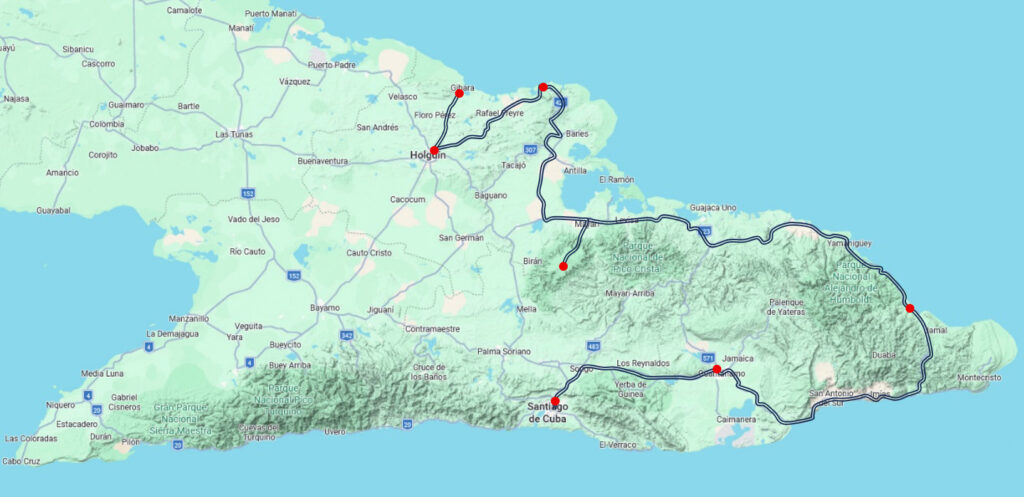
 Arrival at Holguín airport around midday (AA 12:30 PM), transfer to Gibara (1 hr). Gibara is a beautiful town frozen in time, surrounded by remarkable wetlands, caves, and coastal landscapes with views over the Atlantic Ocean. Accommodation at Hotel Ordoño or Plaza Colonial (2 nights). Welcome dinner and cultural activity featuring local artistic and environmental projects.
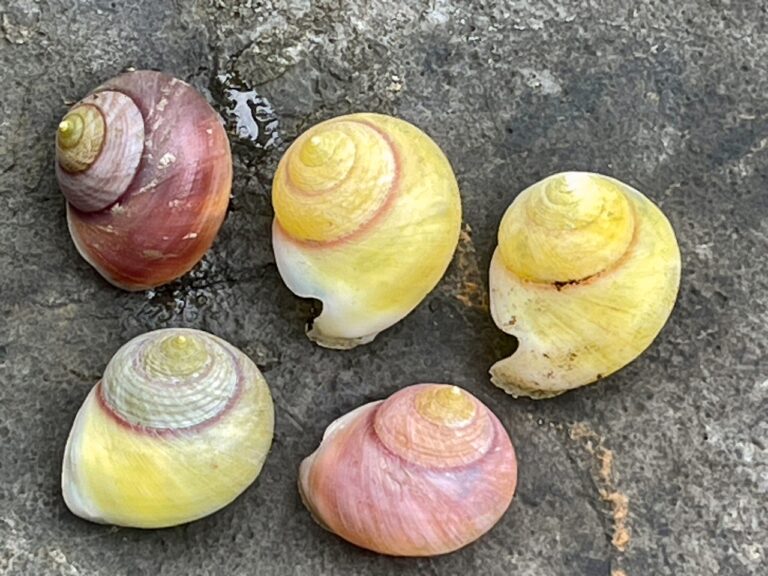
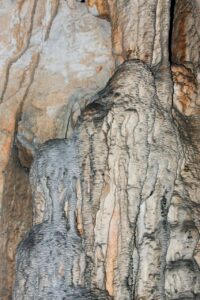
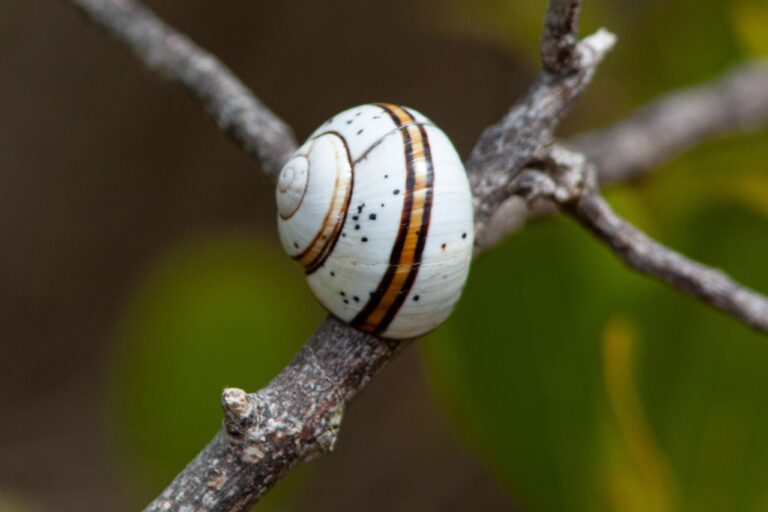
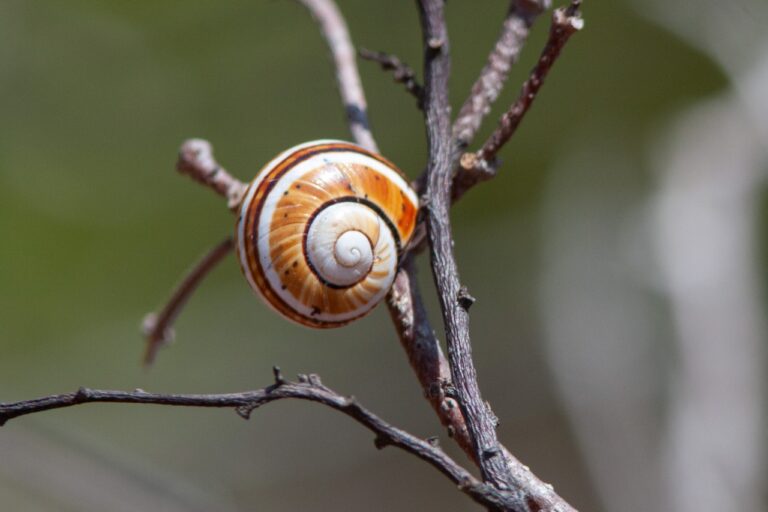
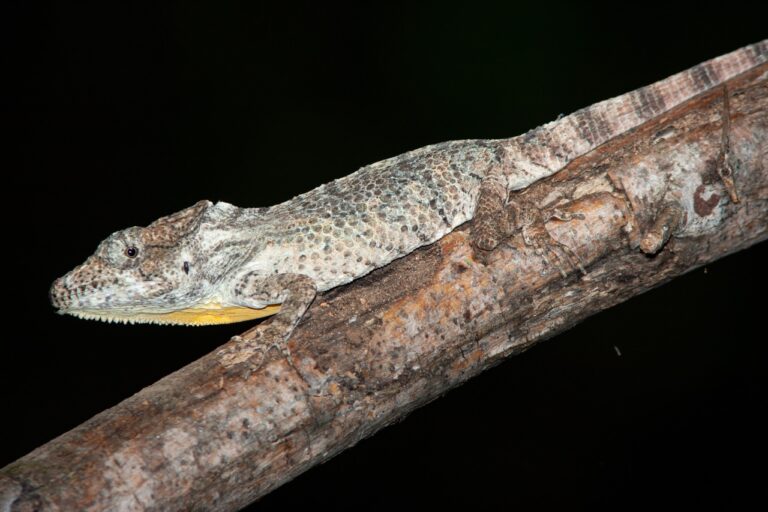
 Breakfast at the hotel. We will begin by exploring the beautiful Cueva de Los Panaderoslearning about its history, admiring its striking speleothems, and observing the fauna that inhabits and surrounds the site, with a focus on birds, reptiles, and terrestrial mollusks such as the famous Polymitas (Polymita muscarum), appreciating their remarkable color diversity. Among the emblematic species of Cuba, the Cuban national bird, the Cuban Trogon (Priotelus temnurus) and the charismatic Cuban Tody (Todus multicolor), may be observed, along with endemic reptiles such as the Coronel/Slender Cliff Anole (Anolis Lucius) and Cuban Coast Anole (Anolis jubar gibarensis), followed by a short trail walk in the area. Visit to a tobacco factory and tasting experience.
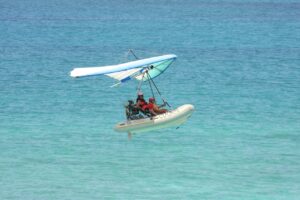
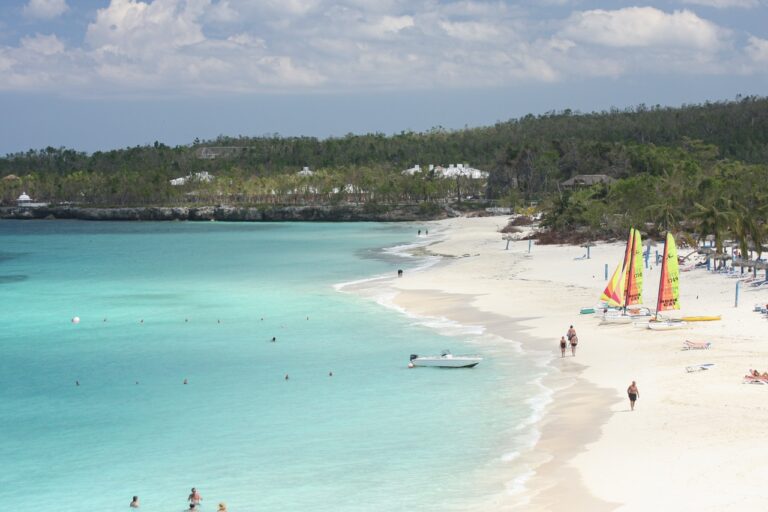
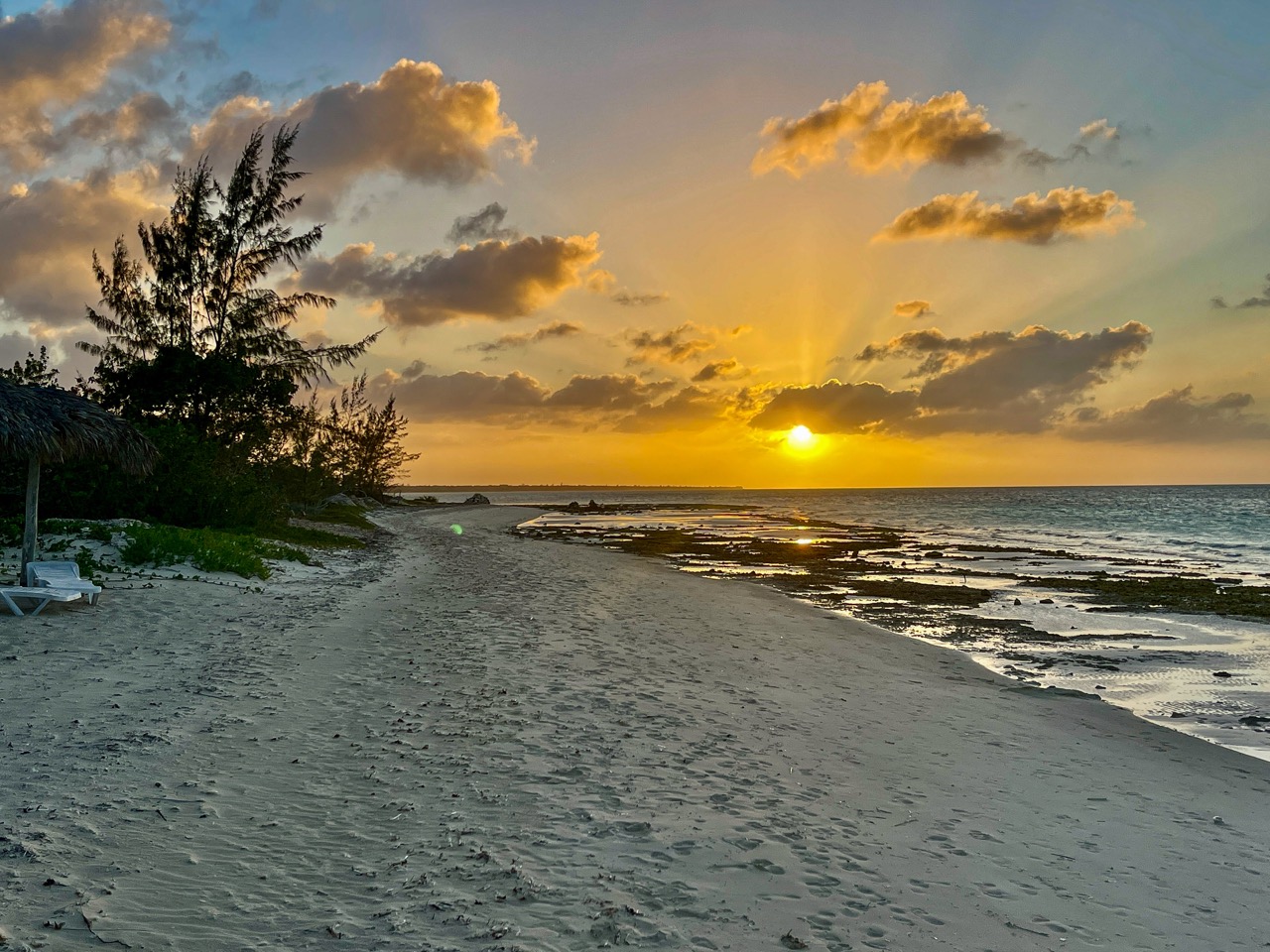
Lunch at a local restaurant, rest, and departure to Guardalavaca (approx. 1.2 hr), with stops along the way for birdwatching and scenic viewpoints, including interpretation of the region’s distinctive geography. Accommodation in a B&B, relaxation time and swimming at Guardalavaca beach with its calm turquoise waters and fine white sands, considered one of the most beautiful beaches in Cuba. Dinner.
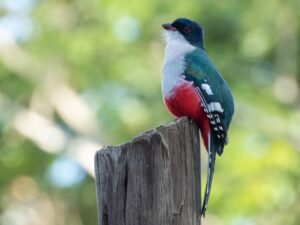 Breakfast and departure to Roca Azul Park for hiking and birdwatching, in search of species such as: Cuban Gnatcatcher (Polioptila lembeyeiCuban Trogon (Priotelus temnurus), Cuban Vireo (Vireo gundlachiiOriente Warbler (Teretistris fornsi), Cuban Tody (Todus multicolorLoggerhead Kingbird (Tyrannus caudifasciatus), Cuban Pewee (Contopus caribaeus), Cuban Green Woodpeaker (Xiphidiopicus percussus), Great Lizard Cuckoo (Coccyzus merlini. Afterwards, we will visit the Bariay site museum, the first place where Christopher Columbus landed during his voyage of the discovery of America. Lunch at a local restaurant.During the afternoon, birdwatching at the coastal lagoon of Playa Pesquero to observe waterbirds such as Gallinuela de Manglar/Clapper Rail (Rallus crepitans) and other shorebirds and ducks including Pato de Bahama/White-cheeked Pintail(Anas bahamensis). Swimming at the beautiful Playa Pesquero and enjoying a stunning sunset.
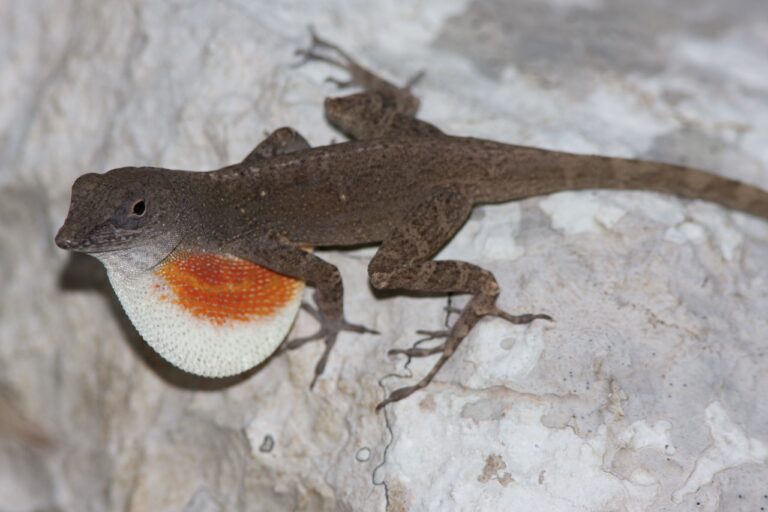
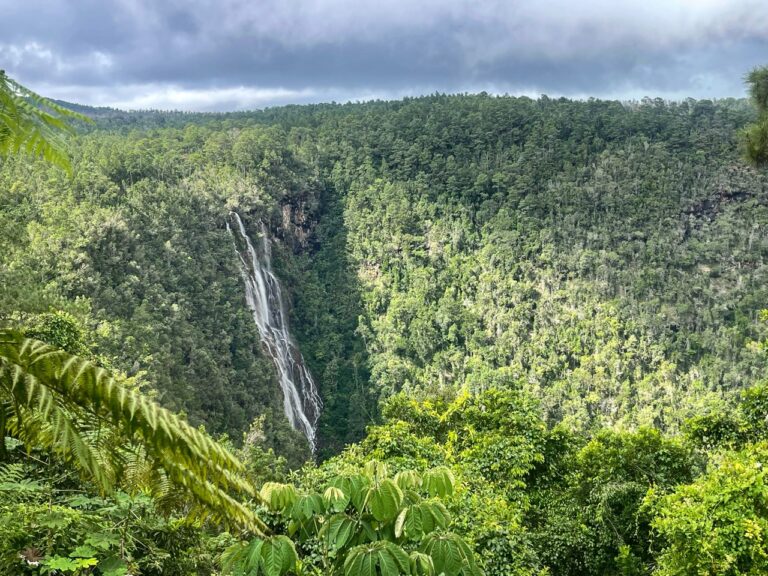
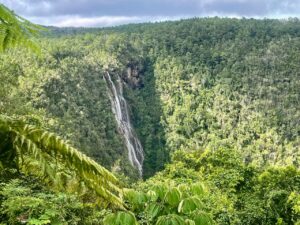 Early breakfast and departure to the Sierra de Nipe (approx. 2.5 hr), with a brief stop at the Deleite rice fields to attempt observation of wetland birds. Lunch at a scenic restaurant-viewpoint with beautiful panoramic views of Salto del Guayabo, one of the highest waterfalls in Cuba, followed by a trail walk for bird and nature observation. In the surrounding area it is possible to observe: Negrito/Cuban Bullfinch (Melopyhhra nigra), Cuban Trogon (Priotelus temnurus), Cuban Crow (Corvus nasicus), Olive-capped Warbler (Setophaga pytiophilaEndemic reptiles include the Lagartija de Pañuelo Blanco/Cuban White-fanned Anole (Anolis homolechis),
Spanish Flag Anole (Anolis allogus), / Blue-eyed Twig Anole (Anolis alutaceus), / Brown-eyed Bush Anole (Anolis anfiloquioi), as well as the giant Chipojo Verde de las Montañas/Oriente Giant Anole (Anolis noblei), and the charismatic Bayoyas: Bayoya Común/Cuban Brown Curlytail (Leiocephalus cubensis) and Bayoya de Bosque/Cuban Side-blotched Curlytail (L. macropusAfternoon hiking and birdwatching in the surroundings of La Mensura National Park, where Ruiseñor/Cuban Solitaire (Myadestes elizabeth), Cuban Sharp-shinned Hawk (Accipiter fringilloides), Tomeguín del Pinar Cuban Grassquit (Phonipara canoraare among the main targets.
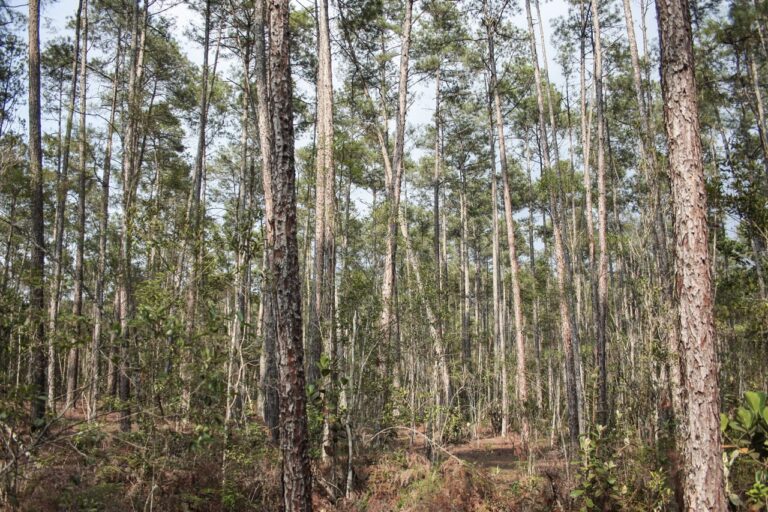
Accommodation in a villa surrounded by nature, Cuban pine forests (Pinus cubensiswith a distinctive European-style architecture, sui generisin a tranquil setting far from cities and towns. Dinner at the villa restaurant.
Optional night excursion around the lodge for observation of amphibians, reptiles, nocturnal birds, and diverse wildlife species.
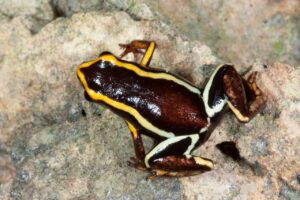 Early morning birdwatching in the surroundings of the hotel, especially to carefully observe a target species, the Olive-capped Warbler (Setophaga pytiophylaWe head east towards Alejandro de Humboldt National Park, one of the best-preserved habitats in Cuba. We will travel along the Atlantic coast with excellent scenery and patches of semi-deciduous and pine forests (approx. 3+ hours) to Bahía del Taco and the park headquarters.
Lunch with traditional family-style dishes close to the shore of El Recreo River, with the possibility to swim in its transparent and pure waters coming from the mountains, and to find lizards and the Monte Iberia Dwarf FrogEleutherodactylus iberia(one of the smallest in the world), birds and much more; the surrounding nature is amazing.
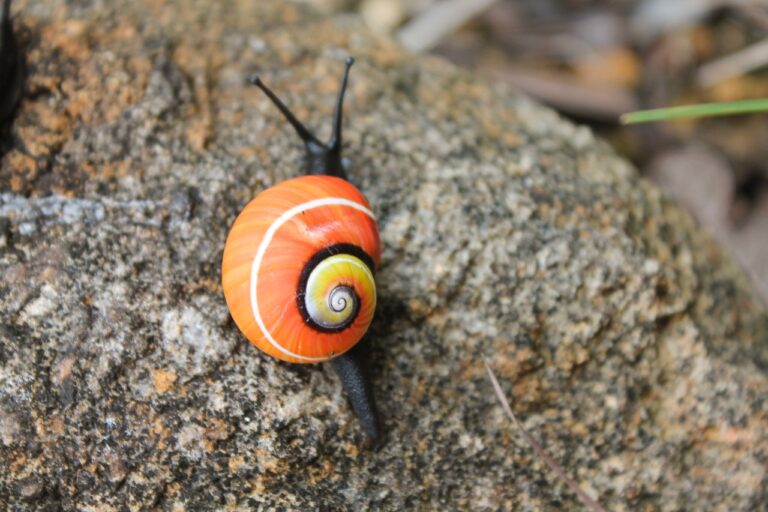
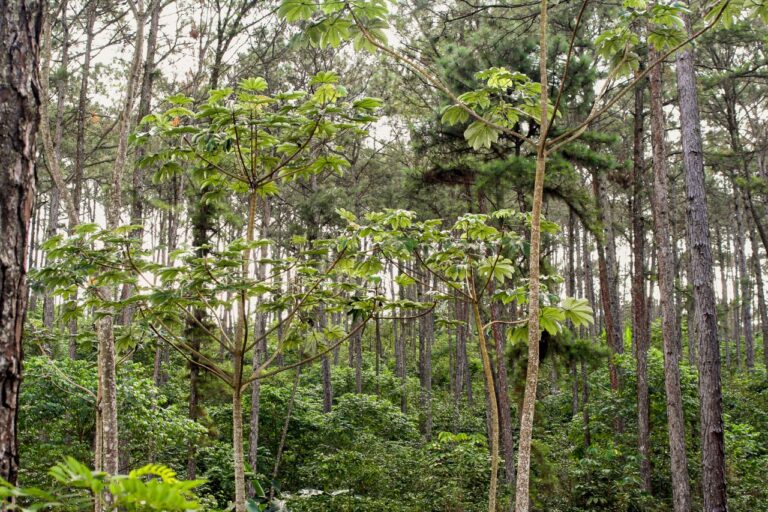
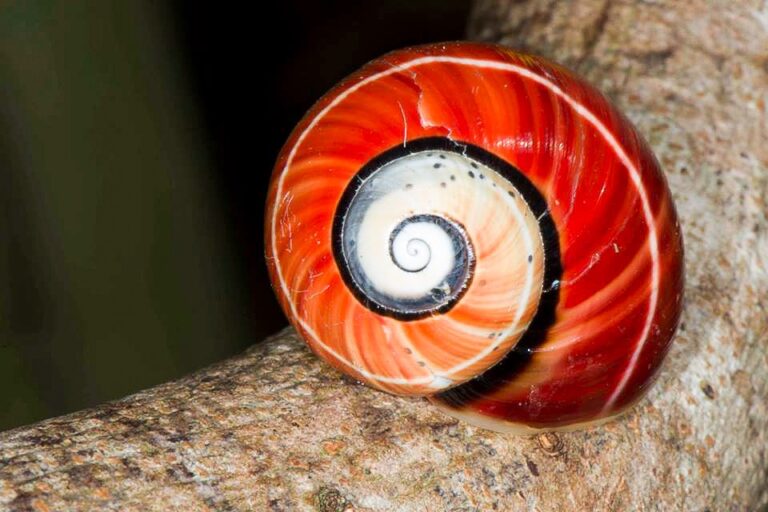
Our first stop is the park visitor center for birdwatching and interaction with park naturalists. The modest visitor center overlooks a peaceful bay that is home to the endangered Antillean Manatee (Trichechus manatus). The endemic and endangered Polymita picta – the world’s most colorful terrestrial snail – can be easily observed on site. From here we begin our exploration of the Cuchillas del Toa Biosphere Reserve. Dinner and accommodation at beachfront bungalows (2 nights) at Villa Maguana, just east of Humboldt National Park.
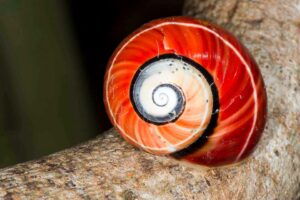
Breakfast followed by a drive to Yumurí Canyon (approx. 1.5 hr) for an unforgettable boat experience along the river, followed by a hike along the trail through exuberant vegetation and the clear waters of the river, with the possibility to observe many birds, lizards, and other local endemics, especially the PolymitasPolymita picta),the most colorful land snails in the world, as well as beautiful landscapes.
Lunch at a local paladar located in the beach area, featuring traditional Cuban food. After lunch, return to Baracoa for a city tour of this important location, followed by dinner at Baracoando Paladar, a renowned and sui generis vegetarian restaurant famous for its gourmet dishes. Late afternoon return to our beachfront bungalows (approx. 25 min).
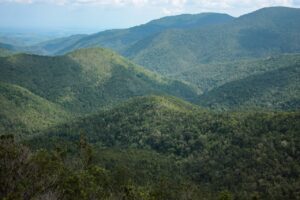 After breakfast we will head southwest over the “Cuban Alps” toward Guantánamo Bay along the stunningly scenic Via Mulata. This mountain range includes both mesic and arid zone habitats. In essence, this drive takes us from Cuba’s wettest region to its driest region, with a stop at the La Gobernadora viewpoint, from where it is possible to see Guantánamo Bay and part of the US Naval Base in the distance.
Birding near San Antonio del Sur (Baitiquirí) on Guantánamo’s semi-desert south coast for the Zapata Sparrow (Torreornis inexpectata sigmani), a local subspecies restricted to the semi-desert habitat of southeastern Cuba, Cuban Gnatcatcher (Polioptila lembeyeiand Cuban Grassquit (Phonipara canora). as well as several endemic lizard species. In season, we will also search along the coast for the White-tailed Tropicbird (Phaethon lepturus catesbyi), in one of the few nesting areas in Cuba. Lunch in a local paladar. Dinner and accommodation in Guantánamo City, Hotel Martí (1 night).
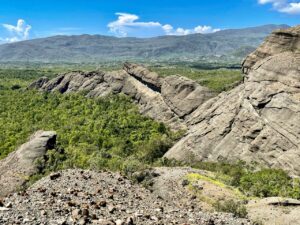 Breakfast followed by birding and hiking in the Los Monitongos mountain range, southwest of Guantánamo. Reputed to be the driest place in Cuba, the Los Monitongos escarpment features a landscape of unusual rock formations, as well as unique flora (up to 70% endemic) and a rich fauna.
Lunch followed by departure west along the Caribbean coast near the Baconao Biosphere Reserve (approx. 1.5+ hours). Dinner and accommodation at Hotel Meliá Santiago de Cuba (2 nights).
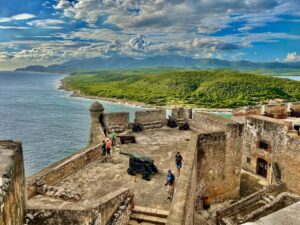 Drive to Gran Piedra from Santiago de Cuba city (aprox. 45 min) and early birding around the mountain. After breakfast we will hike the summit while birding and herping along the mountain trails, with magnificent views of the coast and surrounding areas.
Lunch above sea level at an historic French coffee plantation.The small but attractive botanical gardens here host over 200 varieties of ferns, and more than 350 types of orchids, eucalyptuses, Sierra Maestra’s pines, cypresses and a variety of fruit trees.
Along with many species of charismatic forest birds (tody, trogon, various warbler species) our focus will be on the endemic Gavilán Colilargo/Gundlach´s Hawk (Astur gundlachi),share with technics and specialist working in the Hawk Watch Observatory station
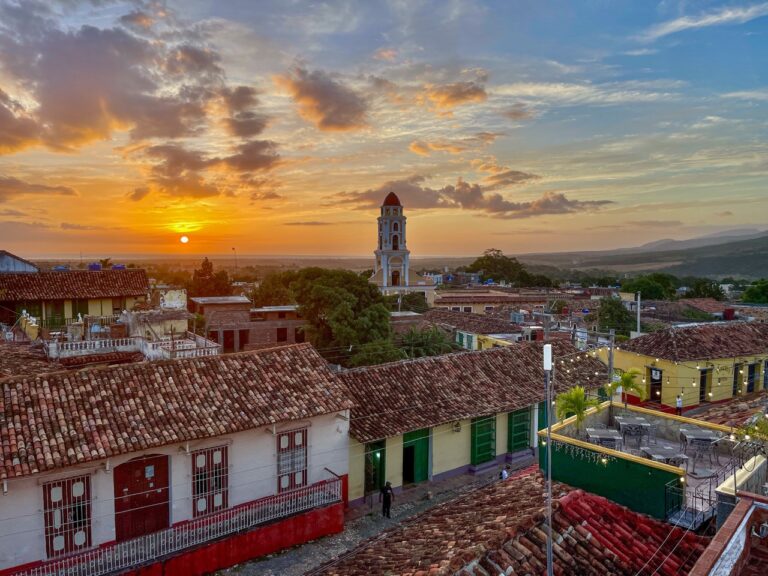
After lunch we’ll drop back down to sea level and explore Castillo de San Pedro de la Roca fortress and historic site overlooking Santiago’s rugged, unspoiled coast. Farewell dinner in a local paladar, return to Santiago de Cuba.
Day 10 – Santiago - Miami Breakfast and departure to the airport (20 minutes) for our return to Miami.
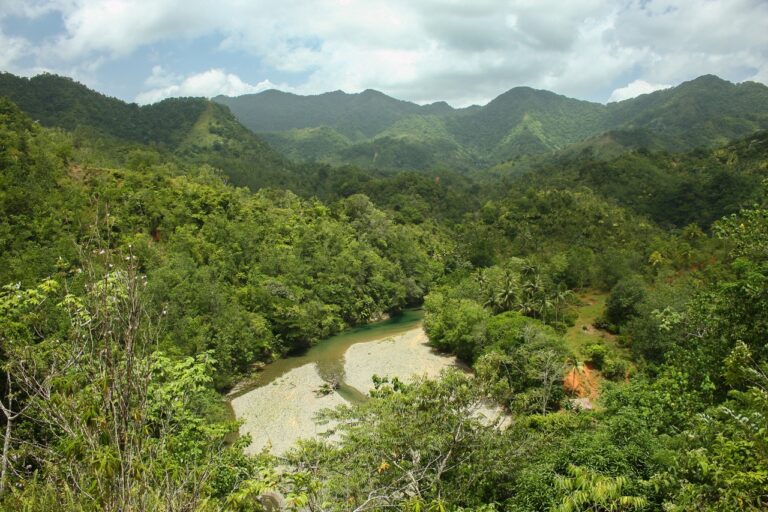
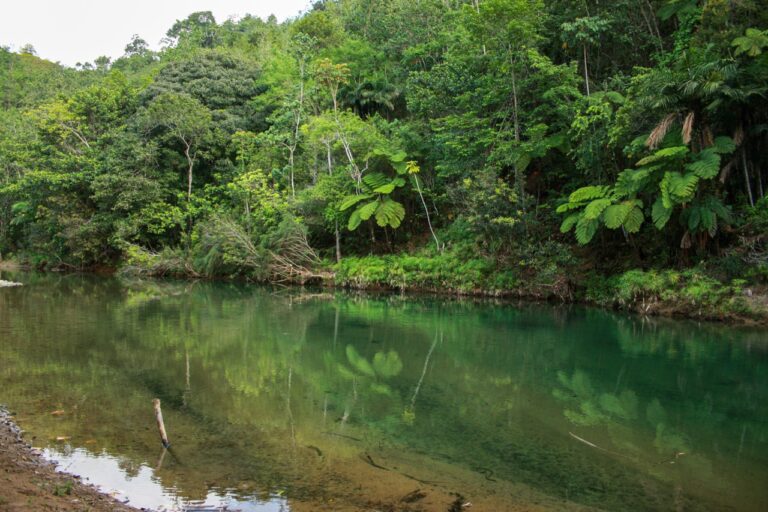
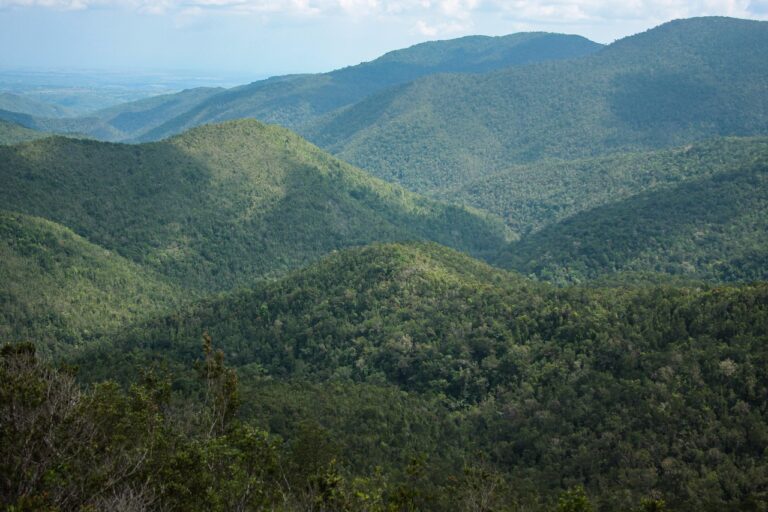
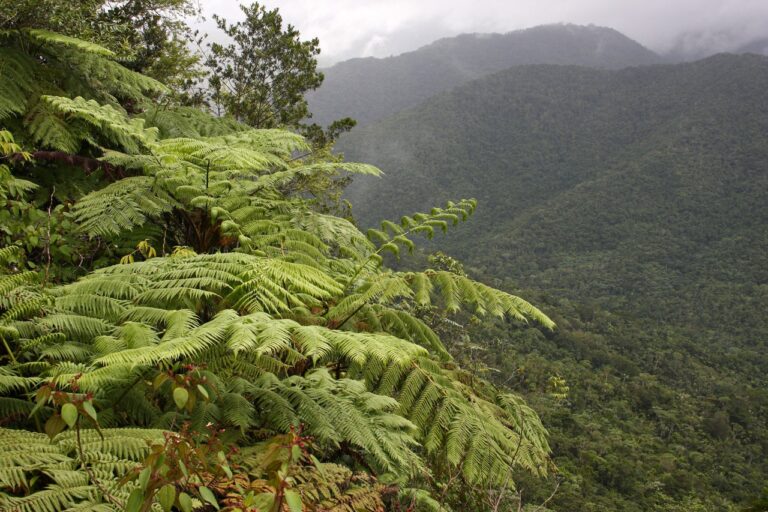
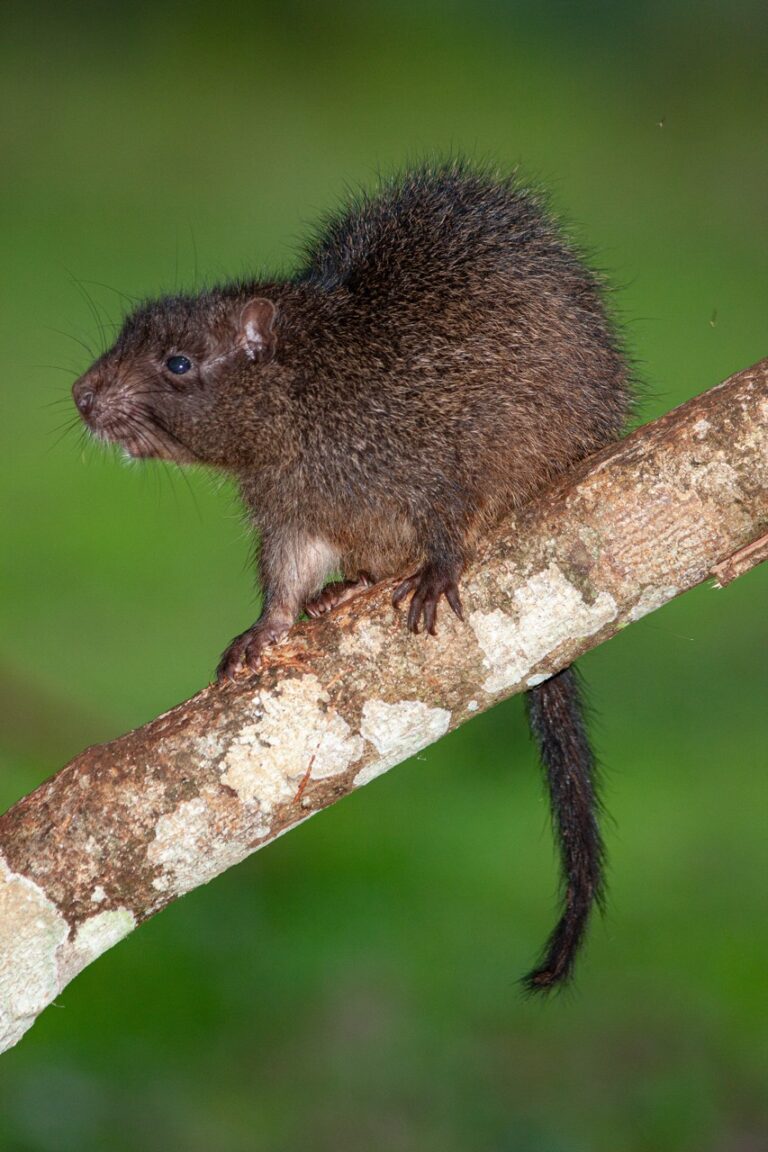
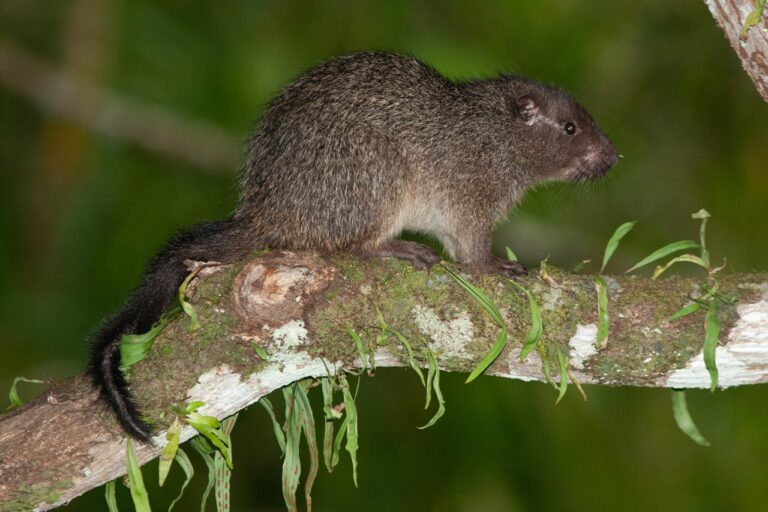
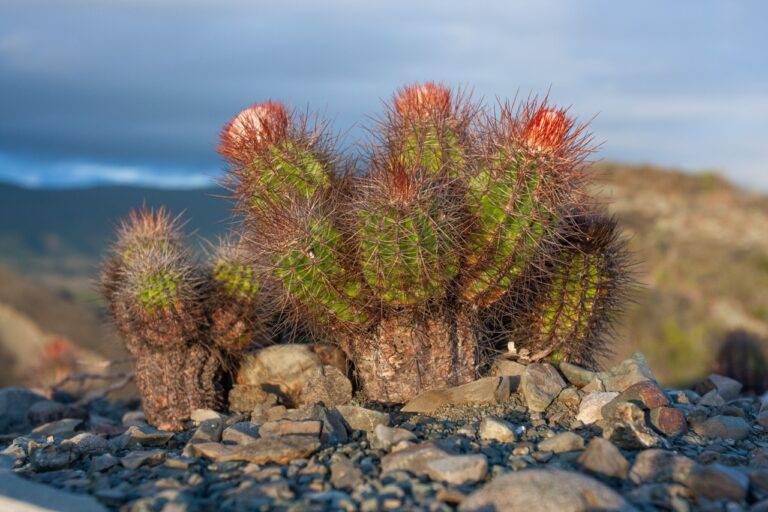
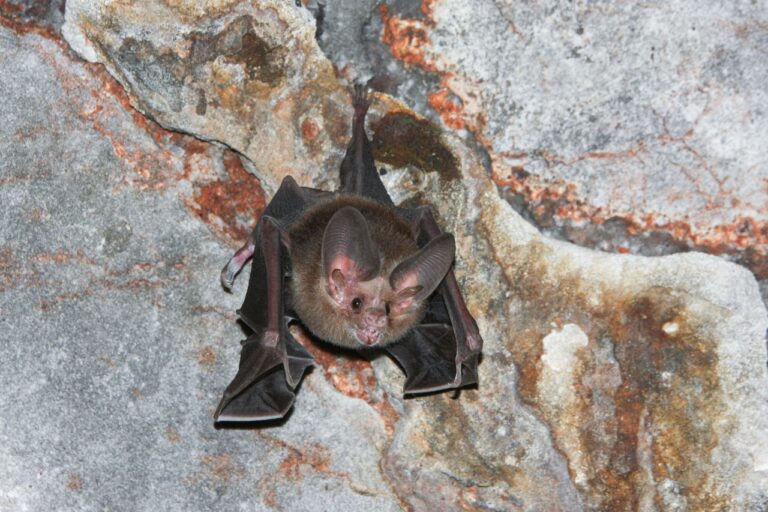
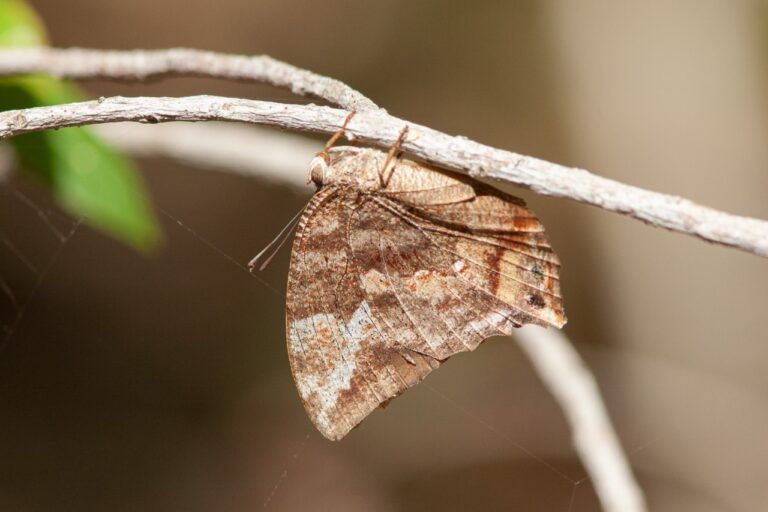
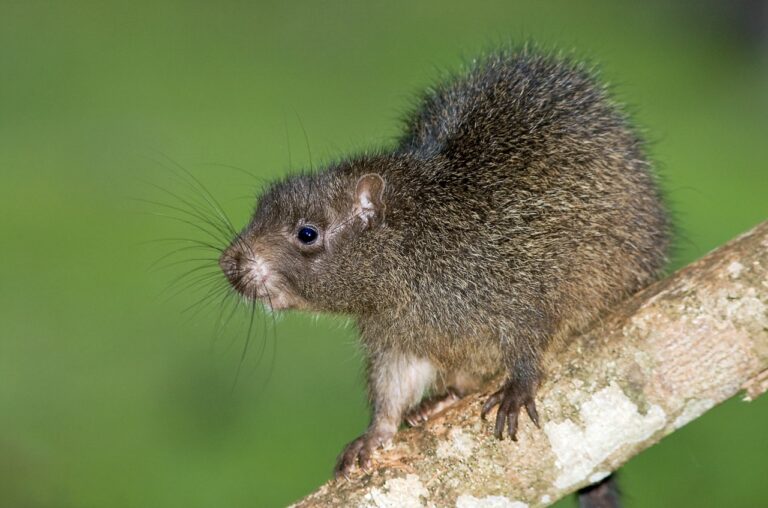
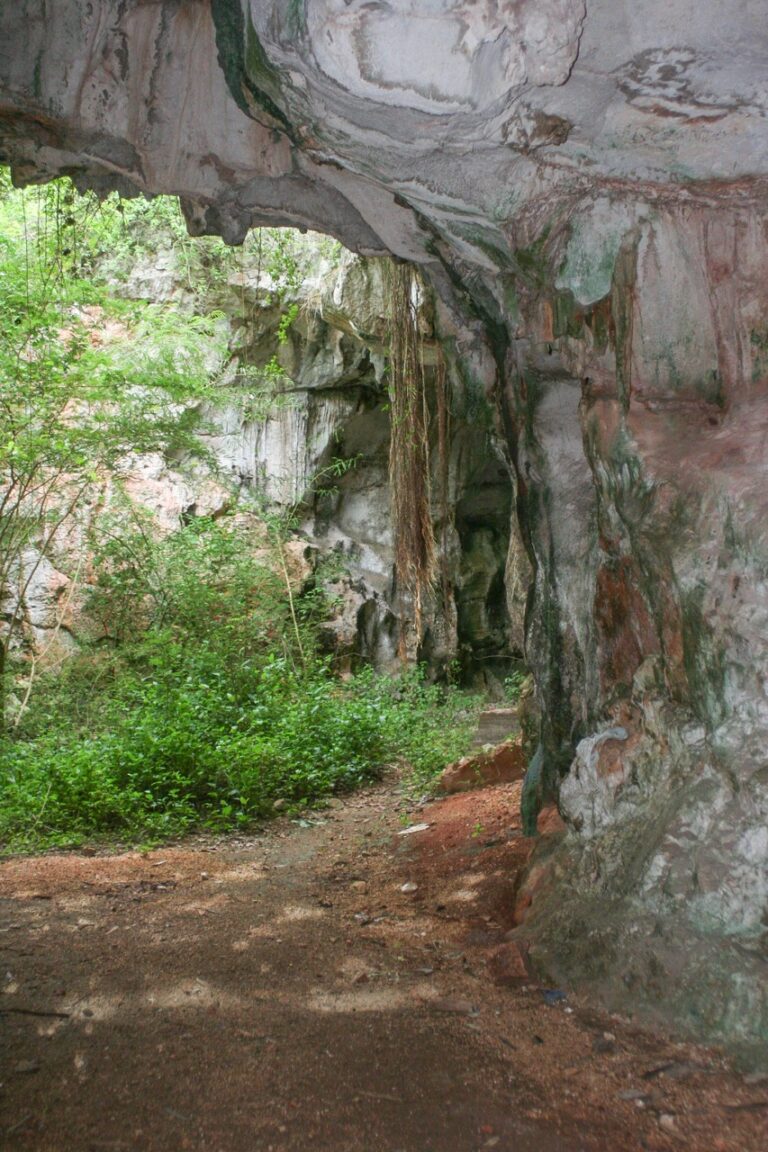
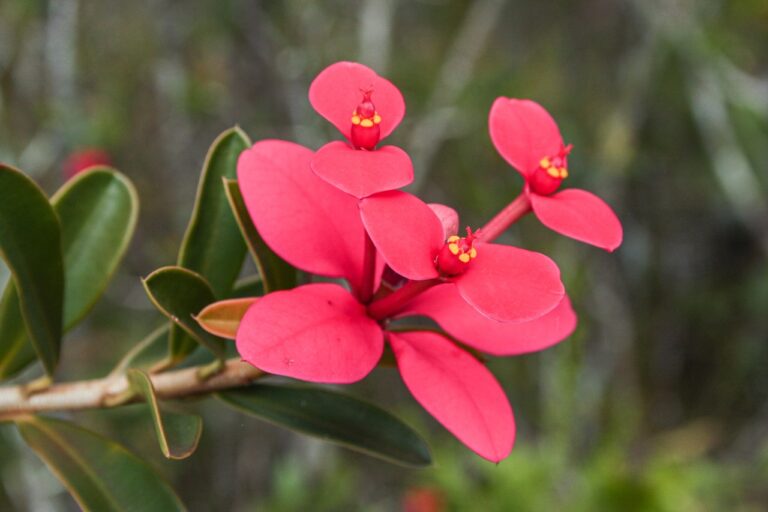
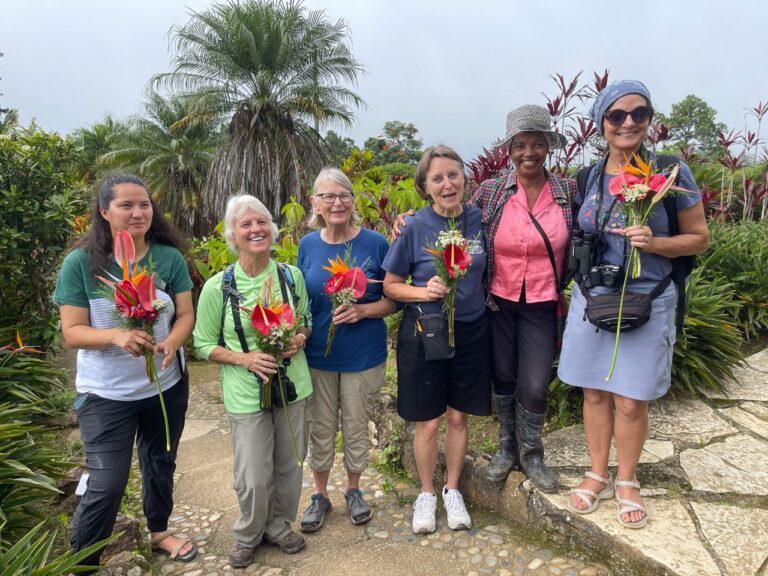
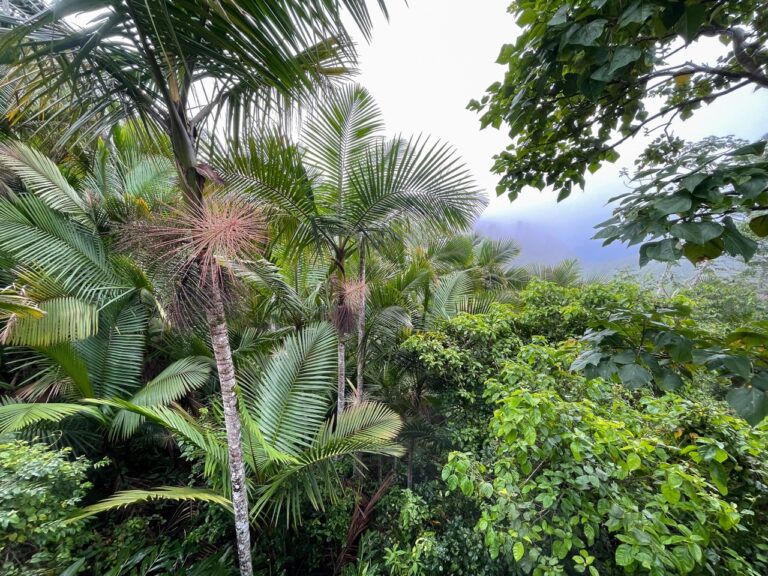
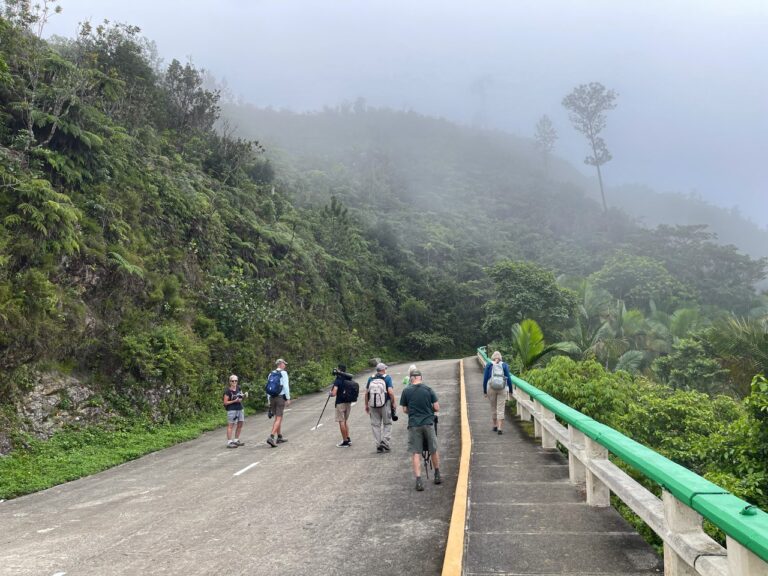
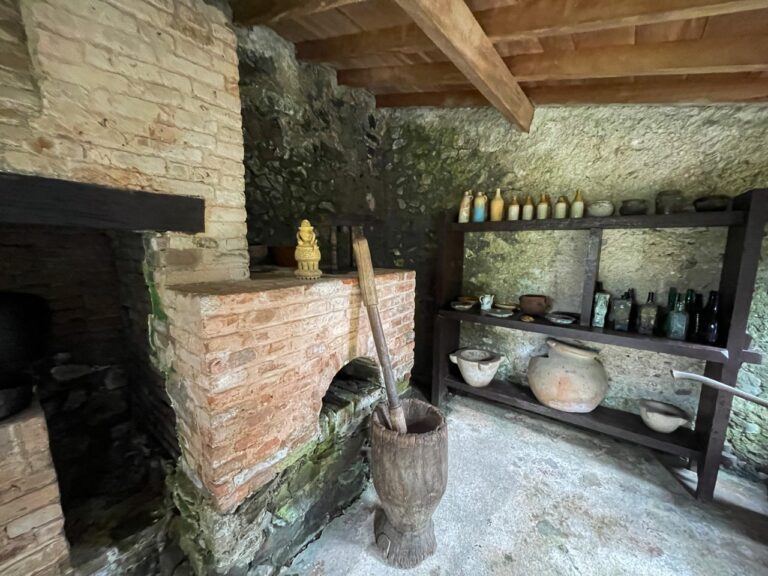
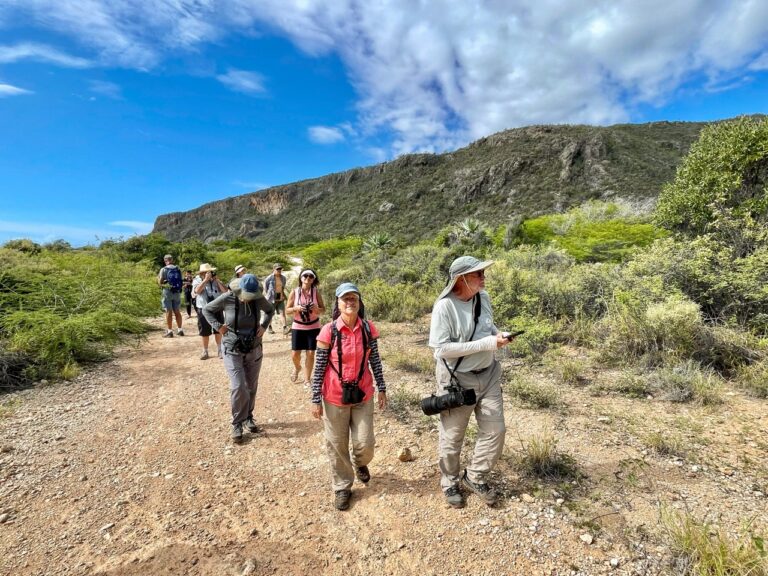
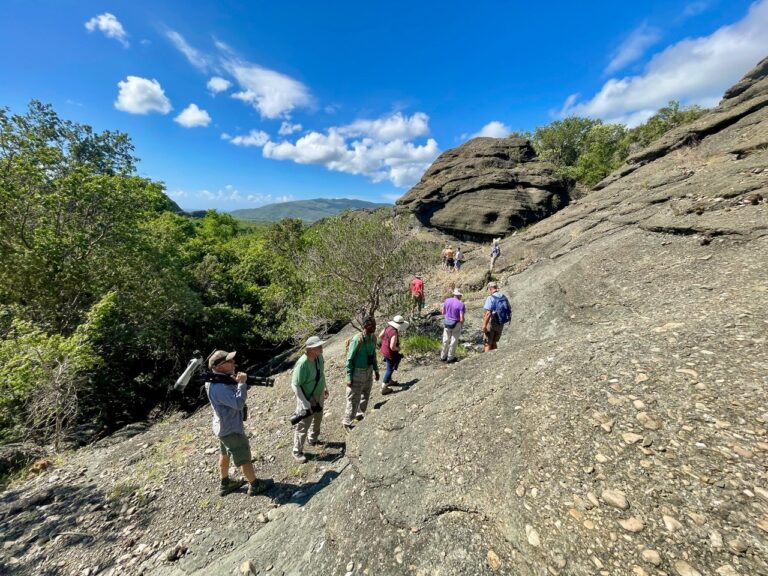
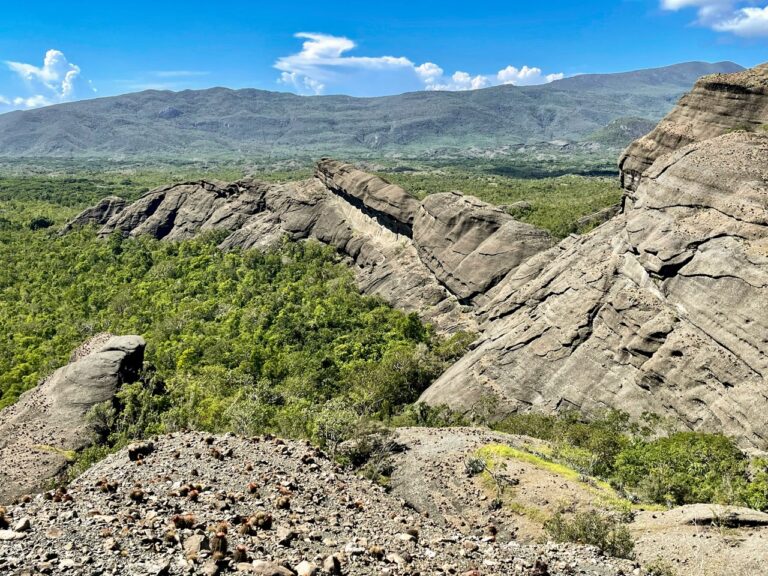
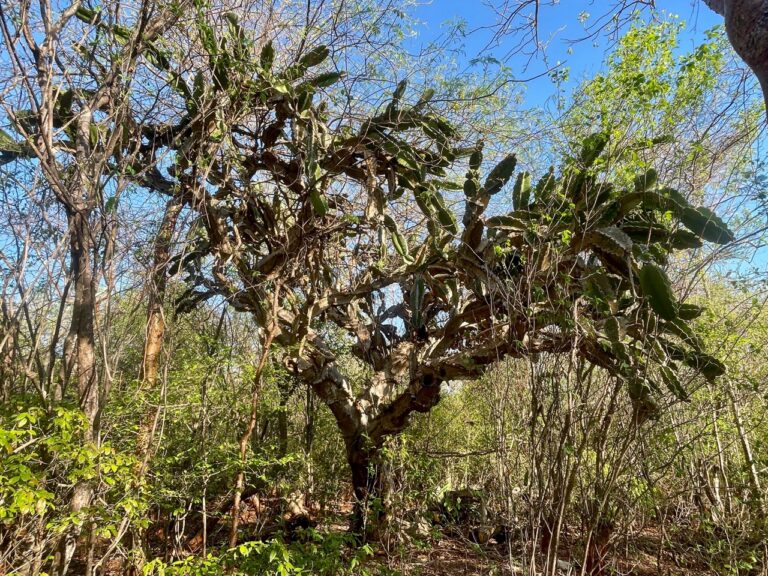
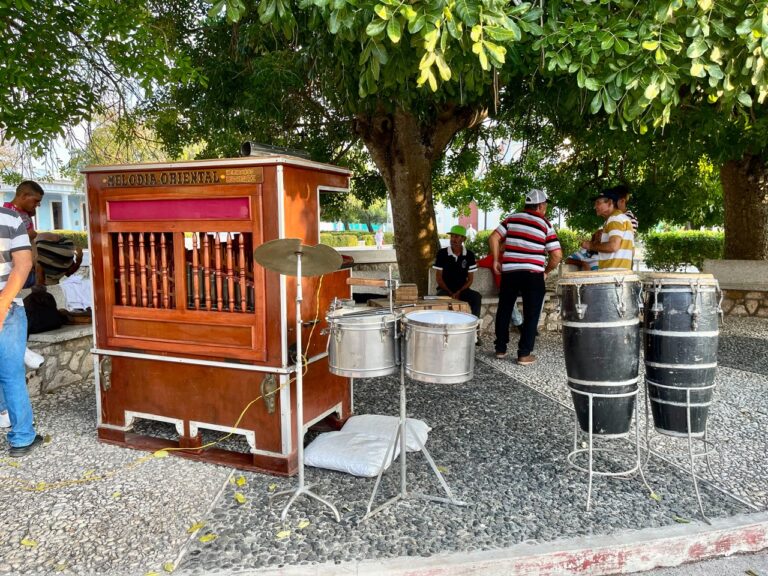
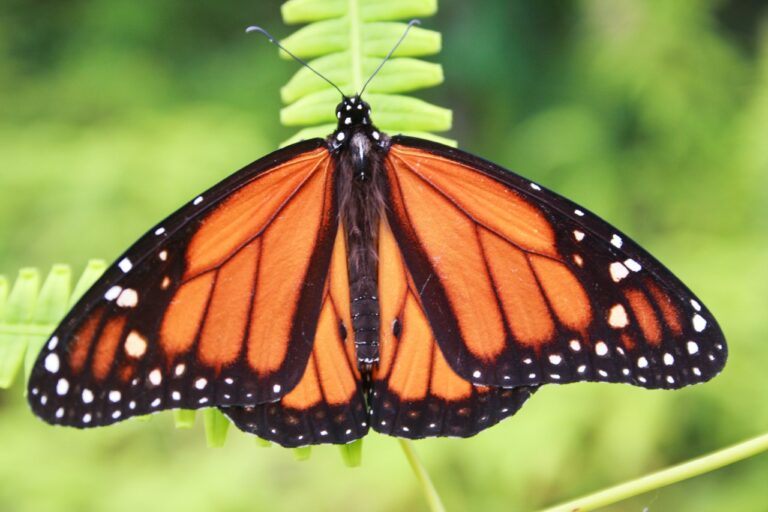
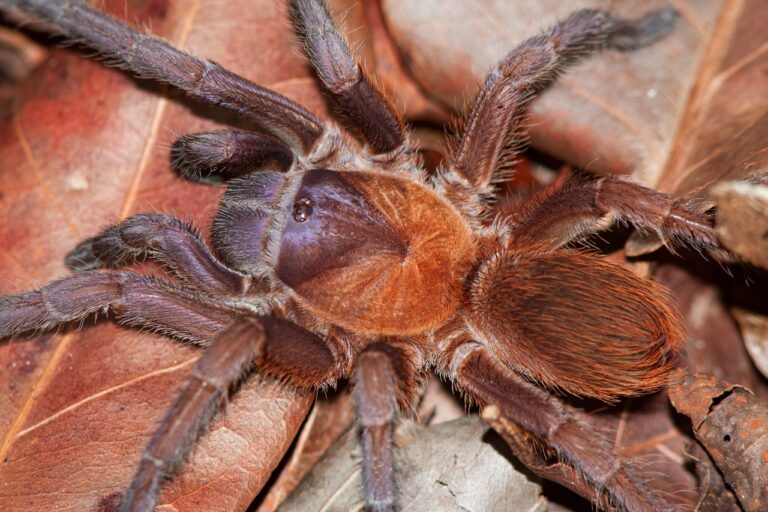

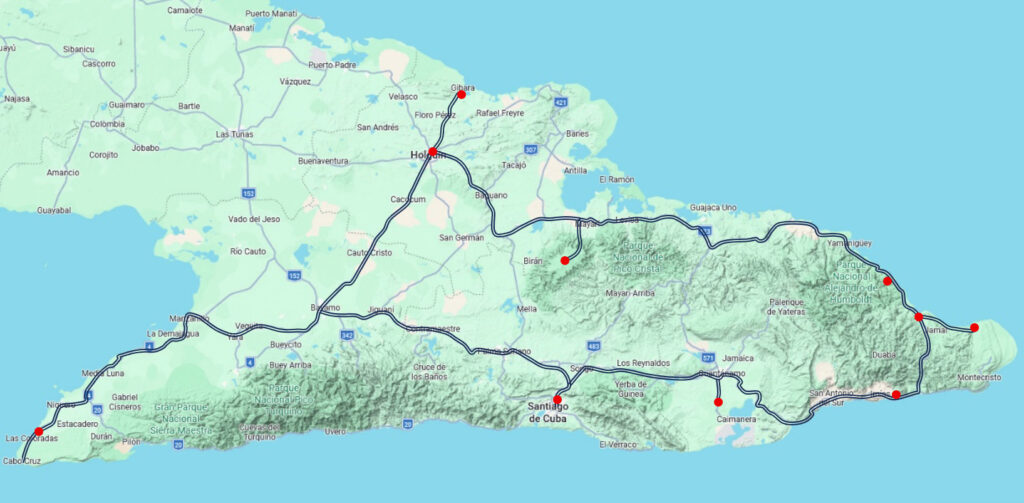
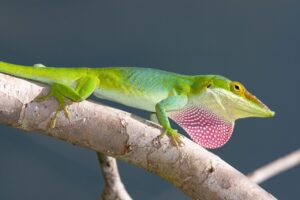 Arrival at Frank País International Airport (Holguín). Transfer to the coastal town of Gibara (approx. 1 h), located on the northern Atlantic coast of Holguín. Check-in at Hotel Ordoño. Welcome cocktail and inaugural dinner.
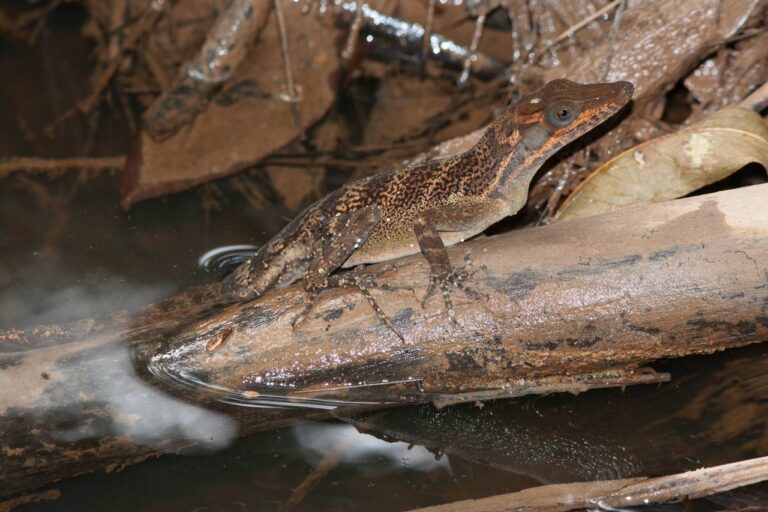
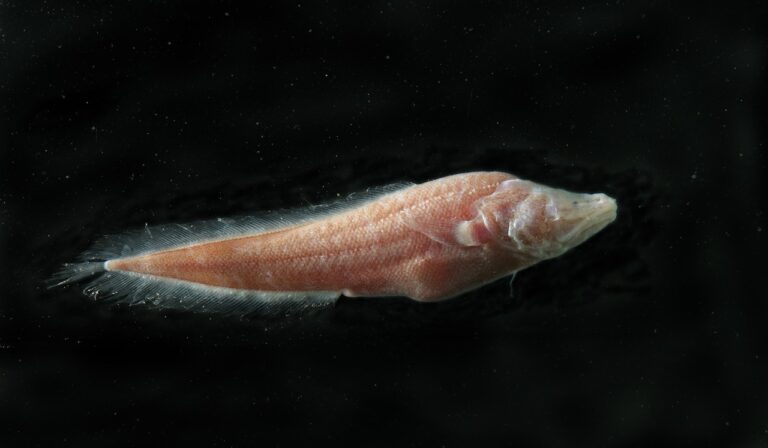
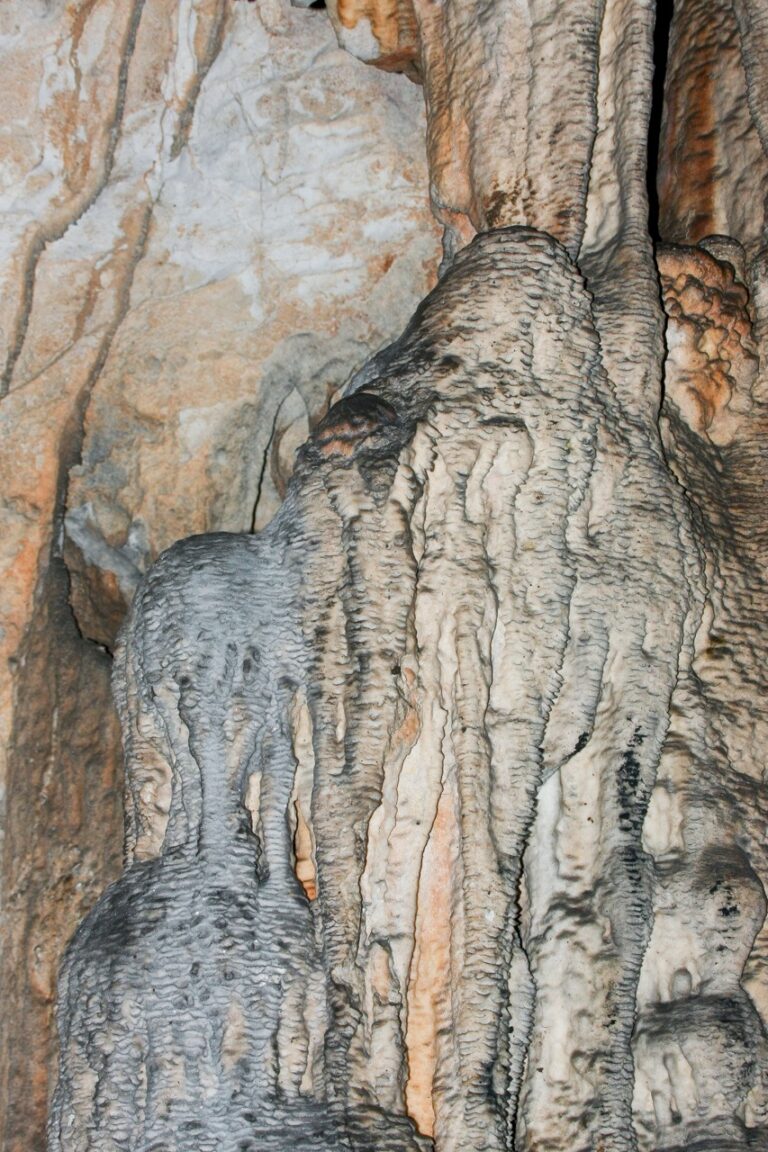
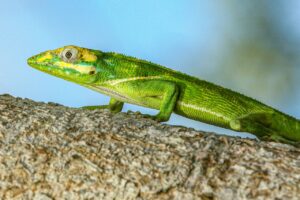 Exploration of Cueva de los Panaderos, a cave system with remarkable stalactite and stalagmite formations that hosts fauna adapted to subterranean environments where it is possible to observe the Cuban Cave Frog (Eleutherodactylus thomasiand the Slender Cliff Anole / Lagartija Coronel (Anolis lucius). Tour of Caletones and coastal vegetation where the targets will be: Cuban Coast AnoleAnolis jubar gibarensis). Central Pallid Anole (Anolis centralis), Pallid Curlytail (Leiocephalus raviceps delavarai), and Cuban Striped Curlytail (Leiocephalus strictigaster gibarensis),also Three-banded Geckolet (Sphaerodactylus nigropunctatus).
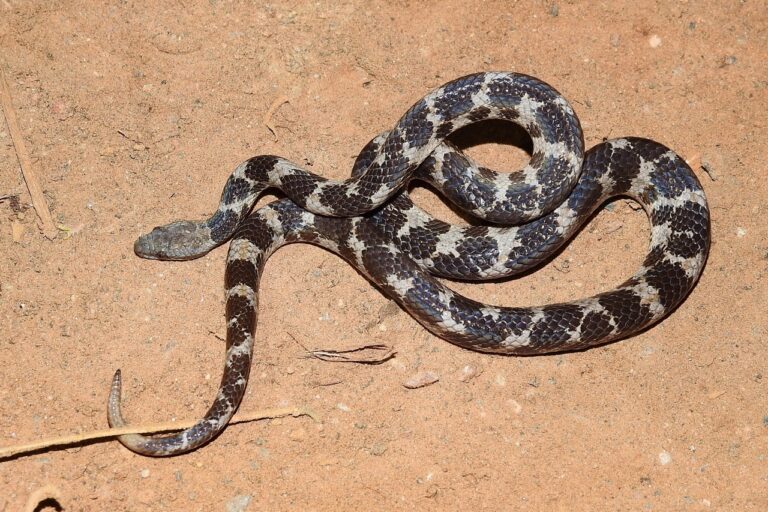
Night outing to cave areas and surrounding habitats for active searching of amphibians and reptiles, with luck we might observe the elusive and recently described Gibara White-collared Racerlet (Arrhyton albicollum). Dinner at local restaurant.
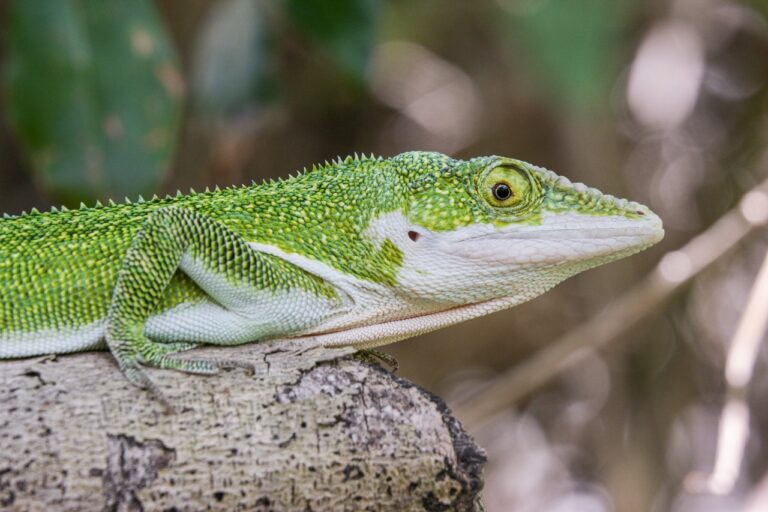
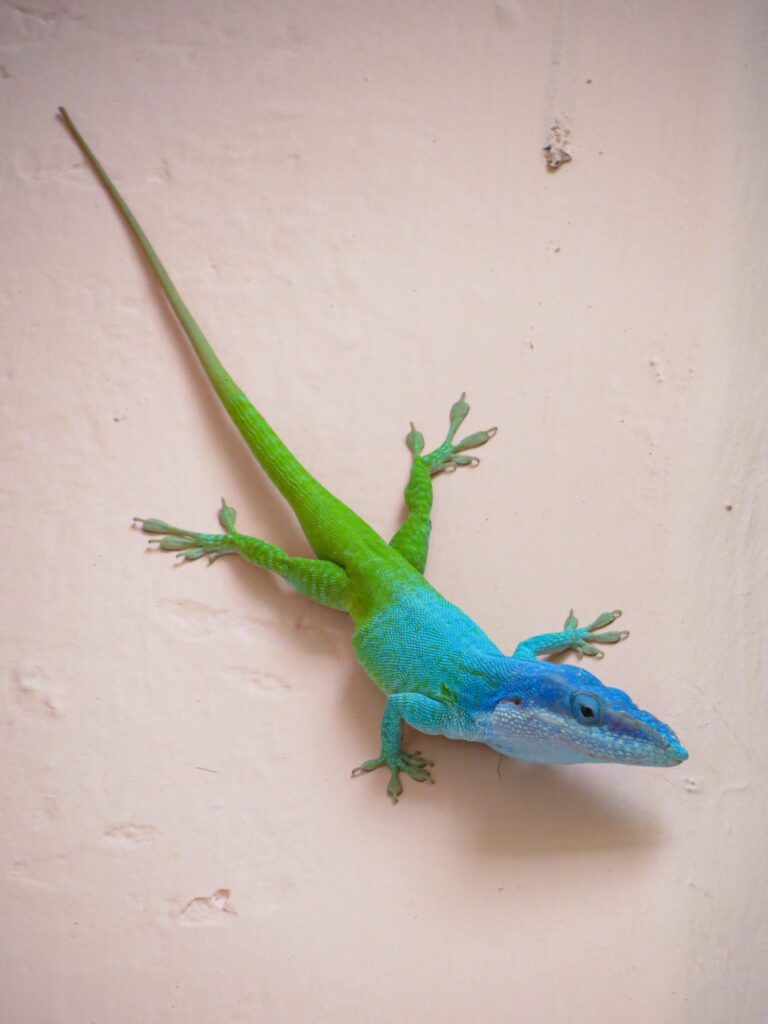
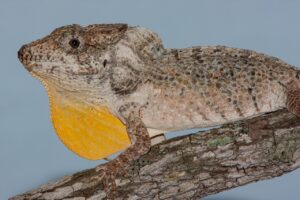 Breakfast. Early departure for a tour of the Cupeycillo Valley for observation of forest reptiles such as the Cuban Giant Anole / Chipojo Verde Común (Anolis equestris thomasi), Cuban White-fanned Anole (Anolis homolechis), Cuban Trunk Anole (Anolis argenteolus), and an interesting hybrid: Cuban Blue Anole / Lagartija Verde-Azul (Anolis allisoni) × Eastern Cuba Green Anole / Lagartija Verde de Oriente ( torresfundoraiaccompanied by an interesting explanation of how Cuba’s paleo-geographical evolution has influenced the formation of contact zones.
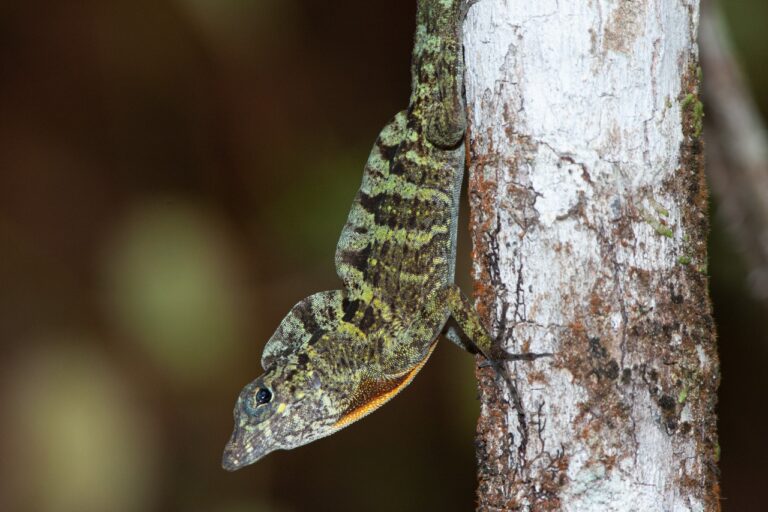
There is also the possibility of finding a rare and still undescribed population of Oriente Bearded Anole / Chipojo Ceniciento Oriental (Anolis cf. porcus), with a beautiful red dewlap.
Breakfast. Early departure for a tour of the Cupeycillo Valley for observation of forest reptiles such as the Cuban Giant Anole / Chipojo Verde Común (Anolis equestris thomasi), Cuban White-fanned Anole (Anolis homolechis), Cuban Trunk Anole (Anolis argenteolus), and an interesting hybrid: Cuban Blue Anole / Lagartija Verde-Azul (Anolis allisoni) × Eastern Cuba Green Anole / Lagartija Verde de Oriente ( torresfundoraiaccompanied by an interesting explanation of how Cuba’s paleo-geographical evolution has influenced the formation of contact zones.
There is also the possibility of finding a rare and still undescribed population of Oriente Bearded Anole / Chipojo Ceniciento Oriental (Anolis cf. porcus), with a beautiful red dewlap.
Lunch en route at a local restaurant. Transfer to Las Coloradas Beach (4+ h), following the northern slopes of the Sierra Maestra. Dinner and accommodation in a private homestay (2 nights).
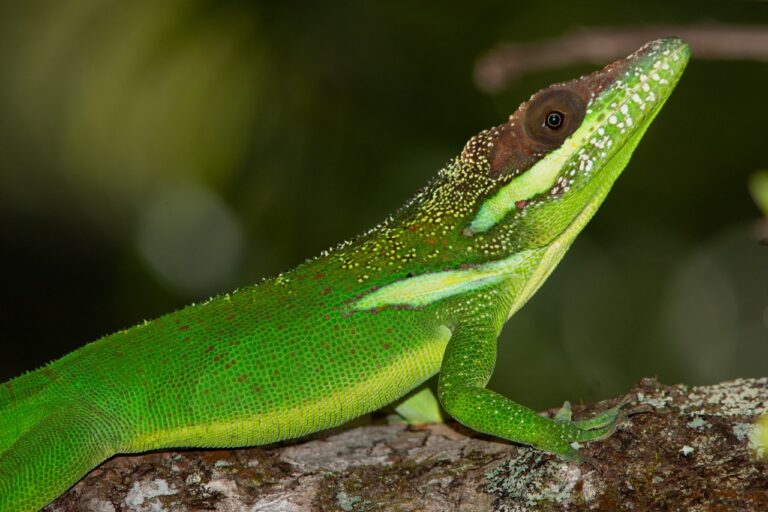
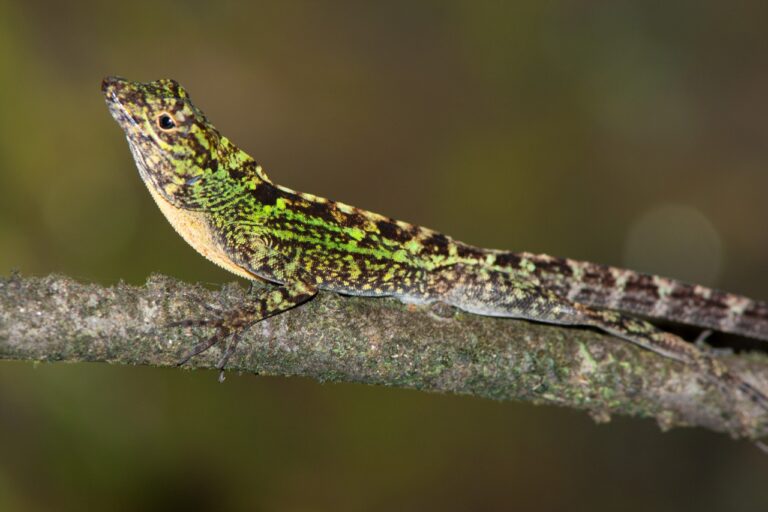
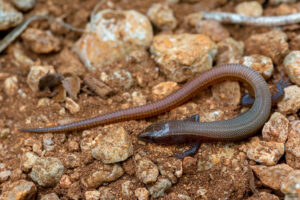 Cabo Cruz is one of the areas with the highest local reptile endemism. We will explore the trail. El Guafe. Dominant habitats: evergreen and semi-deciduous forests combined with coastal scrub elements developed on limestone rock.During the day we will search for: Cabo Cruz Banded Anole / Lagartija de Bandas de Cabo Cruz (Anolis guafe), Cabo Cruz Bearded Anole (Chamaeleolis agueroi),Cuban Giant Anole (Anolis equestris verreonensis) Cabo Cruz Trunk Anole (Anolis confusus), Cabo Cruz Pallid Anole (Anolis ruibali) and Cuban Coast Anole (Anolis jubar oriens) and Bayoya de Bosque/Cuban Side-blotched Curlytail (Leiocephalus macropus phyllax), Cuban Trunk Anole (Anolis argenteolus), Cuban Twig Anole (Anolis angusticeps), Cuban Small-eared Galliwasp (Diploglossus garridoi), Cuban Groundlizard (Pholidoscelis aubery hardyi) local subspecies,, Saw-scaled Curlytail (Leiocephalus carinatus acuarius), Cuban Iguana (Cyclura nubila), and a jewel of Cuban herpetology, the Cuban Night Lizard (Cricosaura typica), a very ancient reptile representing a basal lineage of its group.
Dinner at Playa Las Coloradas and accommodation in a B&B.
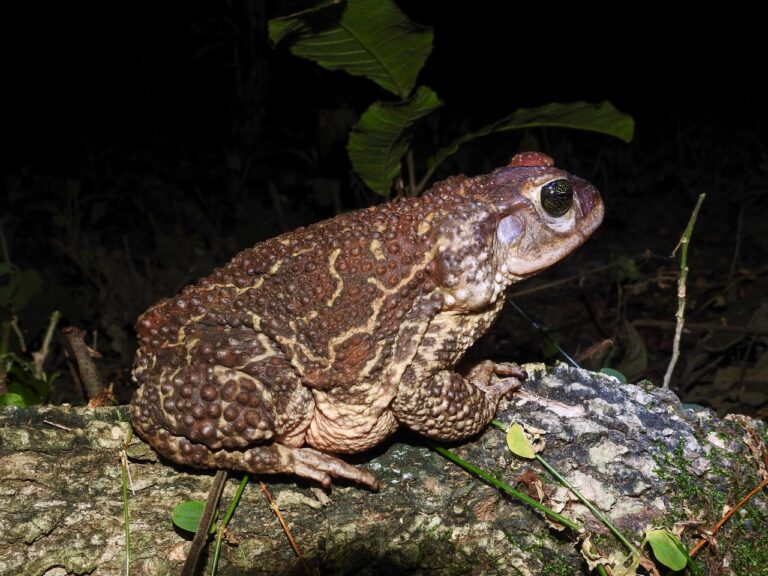
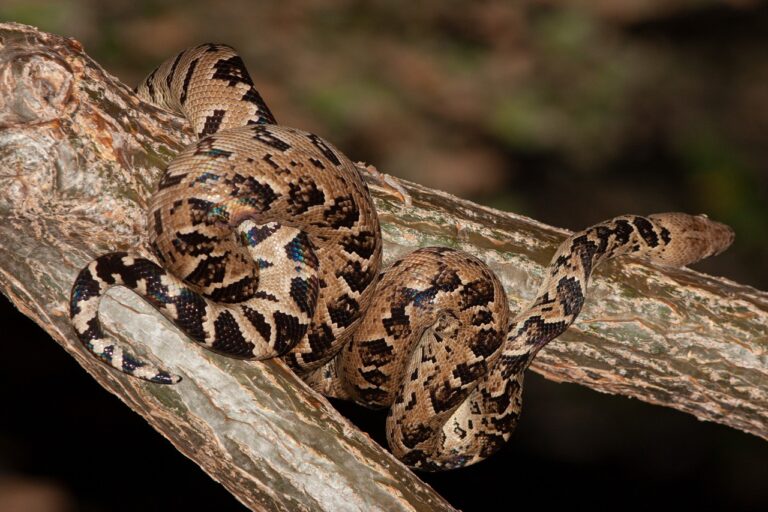
At night we will search for Cabo Cruz Frog (Eleutherodactylus tonyi), Eastern Cuba Giant Toad (Peltaphryne peltocephala),Cuban Groin-spotted Frog (Eleutherodactylus atkinsi), Cuban Bromeliad Frog (Eleutherodactylus varians), Anoles (Anolis spp), especially the Five-striped Grass Anole (Anolis ophiolepis), Cuban Treefrog (Osteopilus septentrionalis), Cuban Boa (Chilabothrus angulifer), Giant Trope (Tropidophis melanurus), Gracile Banded Trope (T. wrighti).
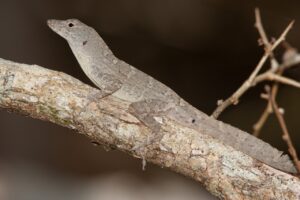 New day en route toward Cabo Cruz with additional opportunities to observe Cabo Cruz Trunk Anole (Anolis confusus), Cabo Cruz Bearded Anole (Chamaeleolis agueroi) Three-banded Geckolet (Sphaerodactylus nigropunctatus ocujal) among other species. Lunch.
Transfer to Santiago de Cuba (5+ h). Accommodation at Villa Gran Piedra (2 nights).
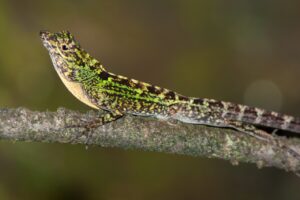 Exploration at 1,125 m a.s.l. in the eastern portion of the Sierra Maestra. After the high temperatures of the lowlands, we will enjoy the cool mountain environment. A very different habitat, with one of the most diverse frog communities in the country.
Amphibians: Oriente Yellow-mottled Frog (Eleutherodactylus ricordii), Turquino Spiny Frog (Eleutherodactylus gundlachi), Yellow-striped Dwarf Frog (Eleutherodactylus limbatus), Eleutherodactylus intermedius, Eleutherodactylus guantanamera (easier to locate in bromeliads than in other localities), Eleutherodactylus varleyi, Eleutherodactylus auriculatus.
Reptiles: Santiago de Cuba Grass Anole (Anolis rejectus),Spanish Flag Anole (Anolis allogus), Cuban Forest Geckolet (Sphaerodactylus ramsdeni), Oriente Giant Anole (Anolis noblei galeifer) and Green-blotched Giant Anole (Anolis smallwoodi smallwoodi(coastal zone).
Lunch at La Gran Piedra. Visit to the exotic garden Flor Ave del Paraíso.Dinner and night excursion.
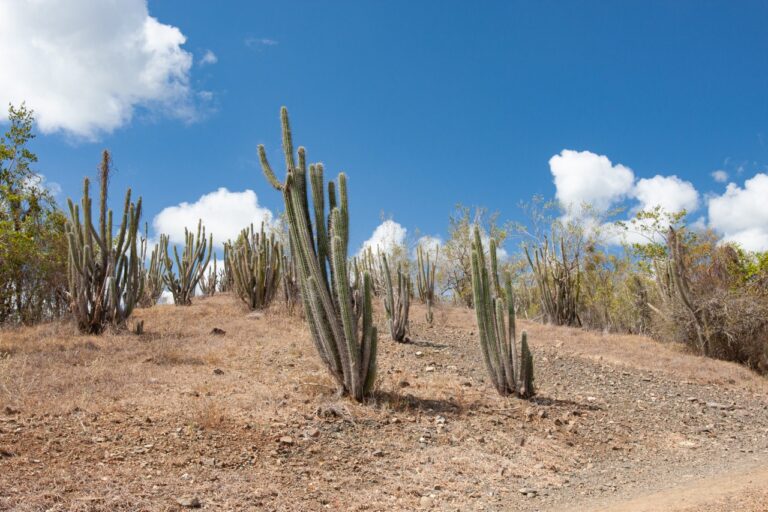
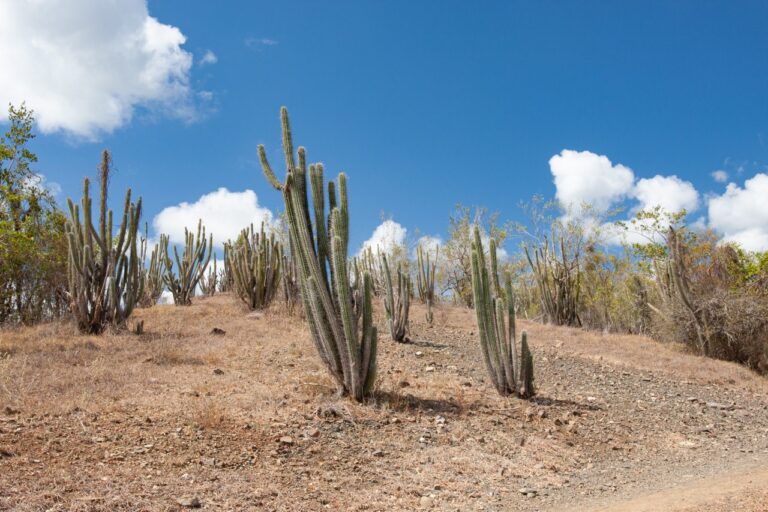
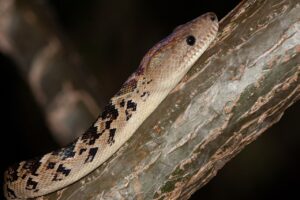 Transfer (approx. 2 h) to the semi-desert southern coast of Guantánamo. Xeromorphic vegetation with thorn scrub, columnar cacti, marine terraces, limestone walls, and small hill outcrops known as “monitongos”. High temperatures; proper hydration is required
Key species: Imías Rock Anole / Lagartija de Bandas de Imías (Anolis imias(threatened local endemic), Green-blotched Giant Anole (Anolis smallwoodi palardis), Cuban Side-blotched Curlytail (Leiocephalus macropus macropus), Pallid Curlytail (Leiocephalus raviceps raviceps), Guantanamo Bay Geckolet (Sphaerodactylus ruibali), Broad-banded Geckolet (Sphaerodactylus torrei spielmani), Oriente Tuberculate Gecko (Tarentola crombiei) American Wall Gecko (Tarentola americana). All subspecies are local endemics.
To locate Tarentola and Sphaerodactylus dry Agave plants will be inspected Agave (protective gloves mandatory). Additional visit to the protected area of Hatibonico and marine terraces, where it will be possible to observe the Green-blotched Giant Anole (Anolis smallwoodi palardis), Oriente Pallid Anole (Anolis litoralis) and Cuban Coast Anole (Anolis jubar albershwartzi), a subspecies that may potentially be elevated to species level.
Return and accommodation at Hotel Martí, dinner at a local restaurant.
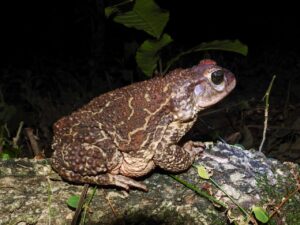 Transfer to Baracoa (approx. 1 h) with panoramic views of the semi-desert southern coast and strategic stops for photography and observation of Imías Rock Anole (Anolis imias) and Cuban Coast Anole (Anolis jubar maisiensis), Oriente Pallid Anole (Anolis litoralis), Sphaerodactylus spp.
Throughout the day we may also record: Cuban Groundlizard / Correcostas (Pholidoscelis auberi) (including several subspecies), Oriente Brown-capped Racerlet / Culebrita de Capota de Oriente (Arrhyton redimitum), Gracile Banded Trope (Tropidophis wrighti), Green-blotched Giant Anole (Anolis smallwoodi palardis), Pallid Curlytail (Leiocephalus raviceps raviceps), Oriente Coastal Frog (Eleutherodactylus etheridgei), Eastern Cuba Giant Toad (Peltaphryne peltocephala),Cuban Groin-spotted Frog (Eleutherodactylus atkinsi), Cuban Treefrog (Osteopilus septentrionalis).
Return and accommodation at Hotel Martí, dinner at a local restaurant.
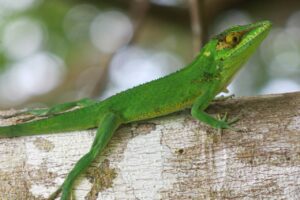 Transfer to the Yumurí River Canyon. Boat ride along the river and walk through exuberant vegetation and crystal-clear waters. Possibility of observing multiple anoles: Spanish Flag Anole (Anolis allogus(a population potentially separable taxonomically from the rest), Cuban Dark Bark Anole / Lagartija Ceniza de las Montañas (Anolis argillaceus), Cuban Trunk Anole (Anolis argenteolus), Chipojo Verde de Baracoa/ Baracoa Giant Anole (Anolis baracoae), Culebrita de Cuatro Patas Oriental/ Cuban Spotted Galliwasp (Diploglossus nigropunctatus), species of Tropidophis and local anuran species of the genus Eleutherodactylus, as well as the emblematic terrestrial snail Polymita picta, considerado el más colorido del mundo. Almuerzo en paladar local en zona de playa con cocina tradicional cubana. Posteriormente visita a finca privada de cacao gestionada por mujeres, donde se conocerá el proceso artesanal completo de producción de chocolate y se realizará degustación. Regreso a Baracoa. Cena y alojamiento.
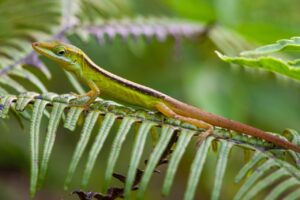 Exploration of the surroundings of El Yunque, an emblematic table mountain that impressed Christopher Columbus. Guided ascent (approx. 1.5 h) with a crossing of the Duaba River (optional), in a rainforest environment.
Recordable species:Guantanamera Frog / Ranita de Bromelia de Guantánamo (Eleutherodactylus guantanamera), Ranita Moteada del Parque Humbodlt/ Oriente Mottled Frog (Eleutherodactylus simulans), Ranita Matraca/ Cuban Khaki Frog (Eleutherodactylus ronaldi), Ranita de Rabadilla Roja/ Cuban Red-rumped Frog (Eleutherodactylus acmonis), Ranita Enana de Baracoa/ Baracoa Dwarf Frog (Eleutherodactylus orientalis), Ranita telegrafo/ Cuban Telegraphic Frog (Eleutherodactylus auriculatus) (variante acústica posiblemente críptica), Sapo Moteado/ Cuban Spotted Toad (Peltophryne taladai), Cuban Treefrog (Osteopilus septentrionalis), Chipojo Verde de Baracoa/ Baracoa Giant Anole (Anolis baracoae), Lagartija de los Helechos/ Green Fern Anole (Anolis cyanopleurus), / Blue-eyed Twig Anole (Anolis alutaceus), Lagartija de Ramita Oriental/ Guantanamo Twig Anole (Anolis alayoni), Cuban Side-blotched Curlytail (Leiocephalus macropus asbolomus), Chipojo Ceniciento Oriental/ Oriente Bearded Anole (Anolis porcus), Jubo Magdalena (Caraiba andreai orientalis), Jubo Gris/ Cuban Racer (Cubophis cantherigerus), Giant Trope (Tropidophis melanurus), Culebrita de Collar de Guantánamo/ Oriente Black Racerlet (Arrhyton supernum), Culebrita de Cuatro Patas Oriental/ Cuban Spotted Galliwasp (Diploglossus nigropunctatus).
Given the proximity to the hotel, night searches may be extended into the early hours of the evening.
Transfer (approx. 40 km) to easily accessible trails in humid tropical forest.
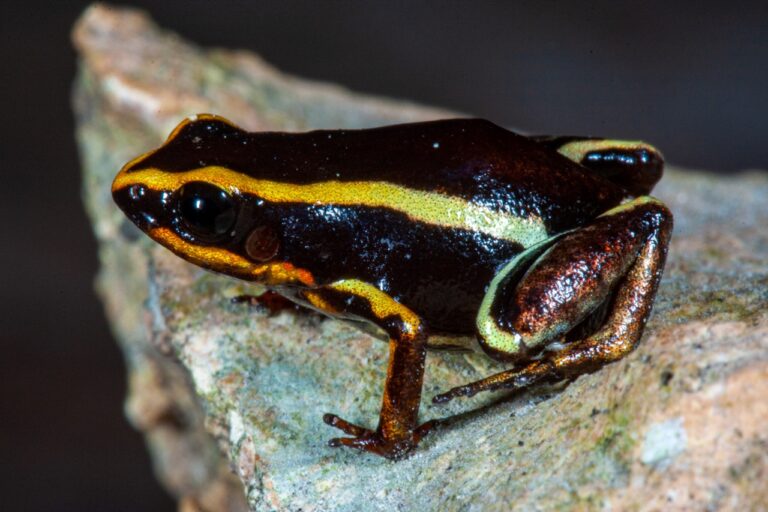
Main target species:Eleutherodactylus iberia), una de las ranas más pequeñas del mundo. También Sapo de Muesca de Oriente/ Eastern Cuba Giant Toad (Peltophryne peltacephalus) y Sapo Moteado/ Cuban Spotted Toad (P. taladai), Lagartija Atigrada/ Cuban Tiger Anole (Anolis rubribarbus), Lagratija Verde Enana/ Dwarf Green Anole (Anolis isolepis), Lagartija de Ramita Oriental/ Guantanamo Twig Anole (Anolis alayoni), Pineland Bush Anole/ Lagartija de Palito de los (Anolis inexpectata), Green-headed Grass Anole/ Lagartija de Palito de Cabeza Verde (Anolis fugitivus), Chipojo Verde de Baracoa/ Baracoa Giant Anole (Anolis baracoae), Lagartija Ceniza de las Montañas/ Cuban Dark Bark Anole (Anolis argillaceus), Cuban Side-blotched Curlytail (Leiocephalus macropus asbolomusand populations of Polymita picta.
Lunch at Finca del Indio de Humboldt. Transfer to Pinares de Mayarí (approx. 4+ h). Accommodation at Villa Pinares (2 nights).
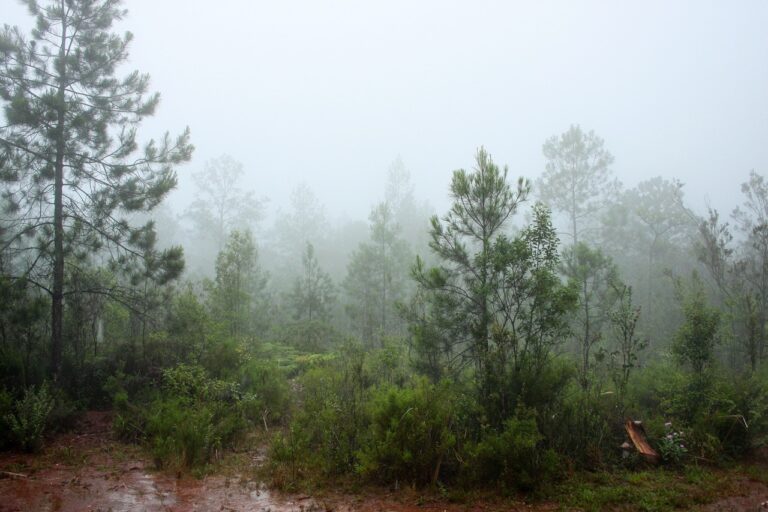
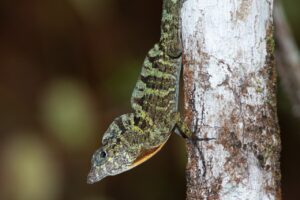 Exploration of the La Mensura trail, which culminates at a waterfall, crossing eight ecosystems characterized by high diversity and ecological fragility. A notable area for orchids representative of the region and reptiles such as Oriente Giant Anole / Chipojo Verde de Montaña (Anolis noblei noblei), Lagartija de Palito de Ojo Azul/ Blue-eyed Twig Anole (Anolis alutaceus), Lagartija de Palito de Cupeyal/ Stripe-bellied Grass Anole (Anolis cupeyalensis), Lagartija de Troncos/ Cuban Trunk Anole (Anolis argenteolus), Bayoya de Bosque/ Cuban Side-blotched Curlytail (Leiocephalus macropus asbolomus), Majacito de Collar de Oriente/ Oriente White-necked Trope (Tropidophis pilsbryi).Almuerzo en la villa. Por la tarde sendero La Sabina. Cena y salida nocturna.
Visit to Salto del Guayabo, the main attraction of La Mensura National Park. Waterfalls of 85 m and 127 m in height, located at 546 m a.s.l. Routes to the upper section, the confluence of the falls with a semi-natural pool, and a trail to the base, searching for Brown-eyed Bush Anole / Lagartija de Palito de Ojo Pardo (Anolis anfiloquioi), Spanish Flag Anole (Anolis allogus), Chipojo Verde de Montaña/ Oriente Giant Anole (Anolis noblei noblei), Jubo Gris/ Cuban Racer (Cubophis cantherigerus pepei), among others.
Entorno con abundante flora (helechos, árboles y flores) y fauna asociada. Almuerzo en mirador panorámico a 2 000 pies de altitud.Traslado a Holguín (3+ h). Alojamiento en Hotel Mystique Saratoga. Cena de despedida.
Transfer to the airport for the outbound flight.

Fill out the form and we'll contact you
Selected tour
Tour
Completa el formulario para tu reserva